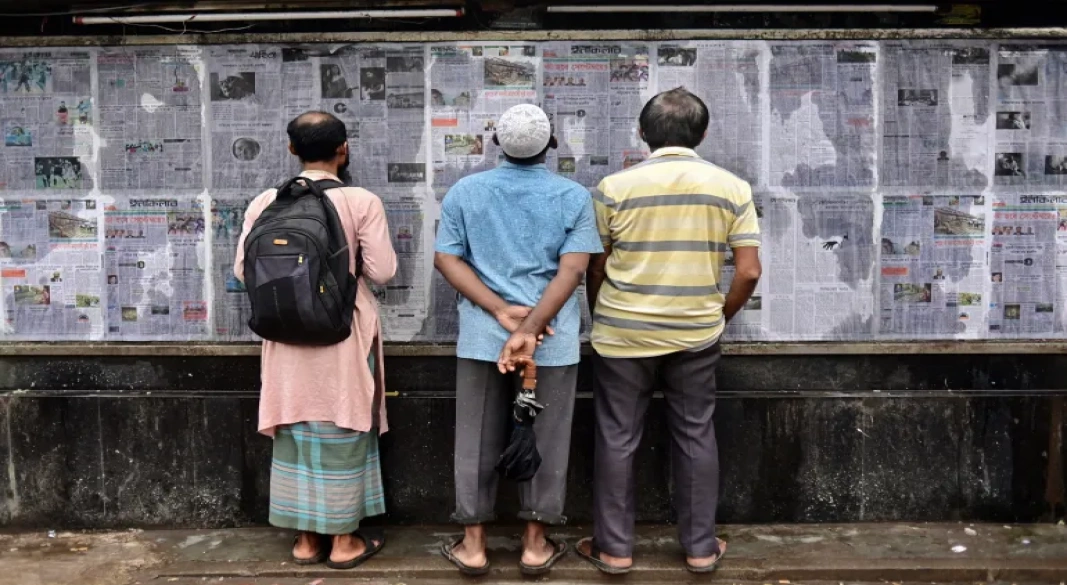
As countries across the world prepare for key elections in late 2025, governments and watchdog groups are raising alarm over the spread of misinformation and deepfake content on social media platforms.
In a recent incident in the Philippines, a viral AI-generated video falsely showing a presidential candidate making controversial statements was viewed over 2 million times before being flagged and removed. Similar incidents have been reported in Bangladesh, Brazil, and parts of Eastern Europe.
Experts warn that AI-generated political propaganda, shared rapidly on platforms like X (formerly Twitter) and Facebook, can erode public trust and influence voting behavior.
"Platforms must act faster. Content moderation alone isn't enough," said Dr. Sadia Khatun, a political science professor at Dhaka University. “We need stronger laws, transparent algorithms, and better public education to deal with this crisis.”
Tech giants including Meta and YouTube claim to be enhancing their detection systems and increasing fact-checking partnerships ahead of the election season.
Global stock markets remained mixed today as investors weighed fresh U.S. inflation data, corporate earnings reports, and the ongoing economic uncertainty in China and Europe. The U.S. stock market opened slightly higher on Monday morning, with the Dow Jones Industrial Average rising 0.4%, the S&P 500 climbing 0.3%, and the Nasdaq Composite gaining 0.5% in early trading. Investors responded positively to June's U.S. Consumer Price Index (CPI) report, which showed inflation cooling slightly to an annual rate of 3.0%, down from 3.3% in May."Markets are optimistic that the Federal Reserve may pause or even cut interest rates by the fall," said Lisa Raymond, chief analyst at Morgan & Co. "But it's still a wait-and-see situation, especially with more earnings coming this week." Wall Street Opens Higher Dow +0.4%, S&P 500 +0.3%, Nasdaq +0.5% on Monday morning. Boosted by June CPI showing inflation cooled to 3.0% (down from 3.3%). Hopes rise for potential Fed rate cut or pause by fall. The U.S. stock market opened slightly higher on Monday morning, with the Dow Jones Industrial Average rising 0.4%, the S&P 500 climbing 0.3%, and the Nasdaq Composite gaining 0.5% in early trading. Investors responded positively to June's U.S. Consumer Price Index (CPI) report, which showed inflation cooling slightly to an annual rate of 3.0%, down from 3.3% in May. "Markets are optimistic that the Federal Reserve may pause or even cut interest rates by the fall," said Lisa Raymond, chief analyst at Morgan & Co. "But it's still a wait-and-see situation, especially with more earnings coming this week." Tech Leads the Way Technology stocks led the gains in the U.S., with Apple (AAPL) up 1.8% and Nvidia (NVDA) jumping 2.4%, as demand for AI and semiconductors remains strong. Tesla (TSLA) also rebounded, rising 3.1% after announcing better-than-expected Q2 vehicle deliveries. Global stock markets showed a mixed performance as investors weighed persistent inflation concerns against a wave of corporate earnings reports. While strong results from major tech companies helped lift some indexes, uncertainty surrounding central bank policies and the future path of interest rates kept others in check. In the U.S., Europe Struggles on Growth Concerns Meanwhile, European markets showed little movement, with the FTSE 100 in London flat and Germany’s DAX down 0.2%. Investors remain concerned about weak industrial output and rising energy costs across the Eurozone.“The European economy is showing signs of fatigue,” said Carla Dupont, economist at BNP Paribas. “High borrowing costs and geopolitical tensions are dragging down business activity.”Global stock markets showed a mixed performance as investors weighed persistent inflation concerns against a wave of corporate earnings reports. While strong results from major tech companies helped lift some indexes, uncertainty surrounding central bank policies and the future path of interest rates kept others in check. In the U.S., Market Performance Summary Table Region Index/Company Movement (%) Key Driver USA Dow Jones +0.4% Positive CPI report (3.0% inflation) S&P 500 +0.3% Rate cut optimism Nasdaq +0.5% Tech stock gains Apple (AAPL) +1.8% Strong AI demand Nvidia (NVDA) +2.4% Semiconductor growth Tesla (TSLA) +3.1% Strong Q2 deliveries Europe FTSE 100 (UK) 0.0% Flat due to economic uncertainty DAX (Germany) -0.2% Weak industrial output, high energy costs Asia Nikkei 225 (Japan) +0.6% Strong export performance Shanghai Composite -1.2% Property sector risks, low consumer spending Asia Mixed as Chinese Markets Slump In Asia, markets showed mixed results. Japan’s Nikkei 225 gained 0.6%, supported by strong export data. However, Chinese markets fell sharply, with the Shanghai Composite down 1.2%, as fears about the country’s property sector and sluggish consumer spending persisted. Gains in consumer and tech sectors pushed markets higher, but weaker-than-expected bank earnings and inflation-related jitters limited broader momentum. European markets edged lower as traders grew cautious about global trade tensions and slowing growth indicators, while Asian markets saw mixed results, with Hong Kong posting modest gains and Tokyo slipping slightly. Overall, market sentiment remains cautious as investors await further economic data and guidance from central banks. Looking Ahead Investors are now turning their focus to key corporate earnings this week from major banks like JPMorgan Chase, Goldman Sachs, and Citigroup, as well as tech giants like Netflix and Microsoft. The results are expected to provide a clearer picture of business resilience amid high interest rates and uncertain global demand. Overall, market sentiment remains cautious as investors await further economic data and guidance from central banks.
The U.S. Supreme Court issued a landmark ruling on Monday, declaring that former presidents are entitled to partial immunity from criminal prosecution for actions taken while in office. The 6-3 decision, split along ideological lines, has triggered intense political and legal debate across the country.The ruling stems from charges brought against former President Donald Trump, who has faced multiple indictments related to alleged interference in the 2020 presidential election and events surrounding the January 6 Capitol riot. The Court’s decision now makes it more difficult for prosecutors to pursue charges for actions deemed as part of a president's official duties. Divided Reactions President Joe Biden responded to the ruling by calling it a “dangerous precedent” that could place future presidents above the law. “No one in America should be beyond accountability,” he said during a press conference.Republican leaders, however, welcomed the decision. House Speaker Steve Scalise stated, “This ruling upholds the constitutional separation of powers and protects the office of the presidency from political attacks.”The recent Supreme Court ruling on presidential immunity has ignited intense debate across the United States, with sharp divisions emerging among legal experts, lawmakers, and the public. The decision, which sets new boundaries on the legal protections afforded to sitting presidents, has far-reaching implications for the balance of power and accountability in government. Supporters argue that the ruling upholds the integrity of the executive office by protecting it from politically motivated prosecutions, while critics warn that it could open the door to unchecked presidential authority. What the Ruling Means The Court ruled that while presidents do not have absolute immunity, they are shielded from criminal prosecution for actions that are “within the outer perimeter of official presidential responsibilities.” However, personal or unofficial actions remain subject to prosecution.Legal experts say the ruling could delay several of Trump’s ongoing legal cases, potentially impacting the 2024 election season, where Trump remains the leading Republican contender. As protests, press conferences, and panel discussions erupt nationwide, the ruling is expected to influence upcoming elections and reshape the legal landscape surrounding executive power for years to come. Public Response The recent Supreme Court ruling on presidential immunity has ignited intense debate across the United States, with sharp divisions emerging among legal experts, lawmakers, and the public. The decision, which sets new boundaries on the legal protections afforded to sitting presidents, has far-reaching implications for the balance of power and accountability in government. Supporters argue that the ruling upholds the integrity of the executive office by protecting it from politically motivated prosecutions, while critics warn that it could open the door to unchecked presidential authority. As protests, press conferences, and panel discussions erupt nationwide, the ruling is expected to influence upcoming elections and reshape the legal landscape surrounding executive power for years to come.
Tourism Rebounds Strongly in 2025 as Travelers Seek New Adventures Post-Pandemic The global tourism industry has entered a period of remarkable recovery in 2025, following several years of pandemic-related disruption. With the lifting of most travel restrictions, renewed consumer confidence, and a deep craving for exploration, tourism has surged across continents. Experts say this rebound is not merely a return to old patterns, but a reshaping of how people travel, what they value, and how the industry responds. International Travel Reaches Record Levels Countries around the world have seen a significant rise in international arrivals. Popular destinations like France, Thailand, Italy, and Mexico are reporting visitor numbers that not only match but exceed pre-pandemic figures. Airports are bustling, cruise ships are sailing at full capacity, and global airlines have reinstated and even expanded routes. This surge is being driven by both leisure and business travelers eager to reconnect with the world. Tourists Demand Deeper, More Meaningful Experiences Travelers in 2025 are no longer satisfied with generic sightseeing tours. There is a growing demand for immersive experiences—whether it's living with a local family in a remote village, joining a traditional cooking class, or volunteering in conservation projects. This shift reflects a deeper desire for cultural understanding, personal growth, and making lasting memories, rather than just collecting passport stamps. Technology Transforms the Travel Experience Advancements in technology have revolutionized every stage of the travel journey. From AI-powered itinerary planners and mobile boarding passes to biometric check-ins and real-time translation apps, modern travelers are enjoying unprecedented convenience. Virtual reality previews and augmented reality tours are also helping travelers plan smarter and engage more deeply with destinations. Sustainability Becomes a Core Concern Post-pandemic travelers are more environmentally conscious than ever before. Eco-tourism has moved from niche to mainstream, with tourists choosing green-certified hotels, carbon offset flights, and low-impact transport options. Many are also seeking out destinations that emphasize environmental protection, wildlife preservation, and sustainable development. Tour operators and governments are responding by investing in responsible travel infrastructure and education. Flexible Booking and Safety Measures Still Matter Despite the easing of global health threats, travelers remain cautious. Flexible booking policies, free cancellations, and comprehensive travel insurance are considered essential. Tourists also favor destinations with clear safety protocols and reliable healthcare systems. These preferences are shaping the policies of airlines, hotels, and tour agencies, which now compete not only on price and location but on traveler assurance. Domestic and Regional Tourism Remains Strong While international travel has boomed, domestic tourism has also seen steady growth. Many travelers are discovering hidden gems within their own countries—national parks, cultural heritage sites, and lesser-known towns—thanks to local government campaigns and improved transportation networks. Weekend getaways, road trips, and regional cruises are more popular than ever, helping stimulate local economies and reduce pressure on overcrowded hotspots. Travel Trends Are Redefining Industry Standards. From "workcations" that blend business with leisure to solo female travel and multi-generational family trips, the diversity of travel preferences is expanding. Social media continues to influence destination choices, while personalized travel experiences—tailored by data and AI—are raising expectations across the industry. The result is a tourism ecosystem that is more agile, inclusive, and innovative.
The United States has long been known as a nation of immigrants and diversity. Over the last century, significant demographic changes have occurred due to immigration patterns, birth rates, cultural shifts, and changing social values. This report outlines how the racial, regional, religious, and national origin composition of the U.S. population has evolved — and where it’s heading. Table 1: U.S. Population by Race/Ethnicity (1960–2024) Year White (Non-Hispanic) Black Hispanic/Latino Asian Native American Multiracial Other 1960 85% 10.5% 3.5% 0.5% 0.3% — 0.2% 1980 80% 11.5% 6.4% 1.5% 0.6% — 0.3% 2000 69% 12.3% 12.5% 3.6% 0.9% 2.4% 0.3% 2020 59.3% 13.4% 18.5% 5.9% 1.3% 2.8% 0.1% 2024* 57.1% 13.2% 19.1% 6.5% 1.4% 3.1% 0.2% Over the last six decades, the regional distribution of the U.S. population has undergone a substantial transformation. Economic shifts, climate preferences, and immigration patterns have contributed to the steady rise of the South and West as the primary hubs of growth, while the Northeast and Midwest have seen their shares of the national population gradually decline. The United States Census Bureau divides the country into four main regions: Northeast, Midwest, South, and West. Over the past several decades, regional population distribution has shifted significantly due to migration trends, job availability, climate preferences, and immigration. Table 2: Regional Population Distribution (by U.S. Census Regions) Region 1960 1980 2000 2020 2024 (Est.) Northeast 25% 22% 19% 17% 16.5% Midwest 29% 27% 23% 20% 19.7% South 31% 34% 36% 38% 39.2% West 15% 17% 22% 25% 24.6% Key Takeaway: The South and West have seen consistent growth due to warmer climates, job markets, and immigration hubs (e.g., Texas, Florida, California). The religious landscape of the United States has undergone a dramatic transformation over the past 70 years. While the country once identified overwhelmingly as Christian — particularly Protestant — more Americans today are choosing no religious affiliation, a trend that reflects shifting cultural norms, generational change, and growing diversity. Demography by religion Religion 1950 1980 2000 2020 2024 (Est.) Protestant 69% 56% 51% 40% 39% Catholic 25% 27% 24% 21% 20% Jewish 3% 2.5% 2% 1.8% 1.8% Muslim <0.1% 0.5% 1% 1.3% 1.5% Hindu/Buddhist <0.1% 0.5% 1.5% 2% 2.2% Unaffiliated 2% 7% 15% 27% 29% Key Shift: The rise of the “nones” (religiously unaffiliated) is among the most dramatic religious shifts in recent history. Immigration has always been a cornerstone of the American story. But over the past 60 years, the origins of the U.S. foreign-born population have changed dramatically — shifting from a Europe-dominated pattern to one led by Latin America, Asia, and more recently, Africa. These demographic transformations reflect both global trends and U.S. immigration policy reforms. Summary Insights Racial Diversity Growing Rapidly: Non-Hispanic Whites are no longer a supermajority. By 2045, the U.S. is projected to be “minority-majority.” Regional Power Shift: The South and West are economic and population growth engines. Religious Landscape is Secularizing: Protestants and Catholics are declining; the religiously unaffiliated are growing fastest. Immigration Patterns Have Shifted: From European-dominated to Latin American and Asian-majority since 1965’s Immigration and Nationality Act.
Iran and Israel traded further air attacks on Thursday as President Donald Trump kept the world guessing about whether the United States would join Israel's bombardment of Iranian nuclear facilities. Google News LinkFor all latest news, follow The Daily Star's Google News channel. A week of Israeli air and missile strikes against its major rival has wiped out the top echelon of Iran's military command, damaged its nuclear capabilities and killed hundreds of people, while Iranian retaliatory strikes have killed two dozen civilians in Israel. Iran and Israel traded further air attacks on Thursday as President Donald Trump kept the world guessing about whether the United States would join Israel's bombardment of Iranian nuclear facilities. Guardian council warns US of 'harsh response A key Iranian body warned the United States on Thursday that any intervention in support of its ally Israel would be met with a "harsh response". "The criminal American government and its stupid president must know for sure that if they make a mistake and take action against Islamic Iran, they will face a harsh response from the Islamic Republic of Iran," the Guardian Council said in a statement carried by state television. Google News LinkFor all latest news, follow The Daily Star's Google News channel. A week of Israeli air and missile strikes against its major rival has wiped out the top echelon of Iran's military command, damaged its nuclear capabilities and killed hundreds of people, while Iranian retaliatory strikes have killed two dozen civilians in Israel. Guardian council warns US of 'harsh response' if it intervenes. A key Iranian body warned the United States on Thursday that any intervention in support of its ally Israel would be met with a "harsh response". "The criminal American government and its stupid president must know for sure that if they make a mistake and take action against Islamic Iran, they will face a harsh response from the Islamic Republic of Iran," the Guardian Council said in a statement carried by state television.




Today, search engines use more than 200+ diverse aspects to generate search results on SERP, which means a lot of different features impact your location in search results. There are 3 primary factor where search engine works in Digital Marketing are as below: Crawl: The crawling process initiated with a list of web addresses from earlier crawls and sitemap provided by the website holder. Index: Indexer store and arrange the content found in the crawling process. Once a page is indexed, its in the running to be shown as a result of relevant queries on SERP. Ranking Algorithm: Google ranking algorithms are designed to categories through billions of web addresses in our Search index to find the most relevant, useful results to users who enter the keyword in search engines. If you want more organic traffic on your website, then it is necessary for you to understand how Google algorithm works. For example: If you hunger more video views, then then you need to understand YouTube algorithm. Meanwhile each search engine has a different ranking algorithm, it is impossible to cover all in this guide.Let us see types of seo details we used to generate organic traffic:



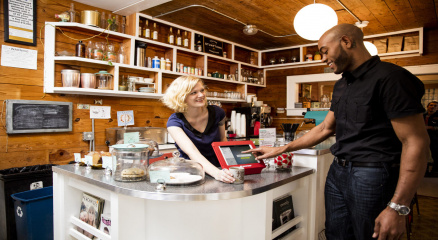
Chattogram, July 20, 2025 — In the bustling alleys of Bangladesh’s cities and towns, the age-old cries of street vendors are being steadily replaced by the silent buzz of smartphones. Facebook Marketplace has quietly emerged as a game-changer for thousands of small vendors across the country, redefining how business is done in an increasingly digital world. From clothing and accessories to electronics and handmade crafts, sellers who once relied on door-to-door sales or modest market stalls are now turning to social media to reach a nationwide customer base — without the overhead of physical storefronts. Take the story of Jahidul Islam from Comilla. Once dependent on walking door to door with a heavy bag of clothes, he now operates from his home with a smartphone and a Facebook page. “I used to knock on 20 doors a day just to sell a few pieces,” he said. “Now, I post pictures online and get orders from all over the country — sometimes even from outside Bangladesh.” His story reflects a wider trend sweeping through both rural and urban Bangladesh: the rise of the digital entrepreneur. This digital shift, accelerated by increased smartphone penetration and affordable internet, is not only transforming commerce — it's changing lives. For many small vendors, particularly women, students, and low-income individuals, Facebook Marketplace provides a flexible, low-cost entry into business. Housewives are turning into online boutique owners. University students are selling gadgets or fashion items between classes. In places where job opportunities are limited, online selling offers a sense of economic independence and self-worth. The Impact at a Glance: Aspect Before Marketplace After Marketplace Startup cost High (shop rent, permits) Low (smartphone & internet) Customer reach Local only Nationwide (even diaspora) Business hours Limited to market hours 24/7 availability Job creation Minimal Growing micro-entrepreneurship Female participation Low Significantly increasing However, this success is not without its complications. With the rise in popularity of Facebook-based businesses, there has also been an increase in fraudulent activities. From misleading product photos and fake brands to outright scams where customers pay but never receive their orders, the lack of formal regulation and oversight is becoming a serious concern. Consumer rights groups report a growing number of complaints related to online transactions, with many victims having little to no legal recourse.“Fraudulent pages are popping up every day,” warns Tania Kabir, a digital rights activist in Dhaka. “People are losing money, and there's no centralized system to hold these vendors accountable. We need government and platform-level regulation that doesn’t hurt honest sellers but protects consumers.” The Bangladesh Telecommunication Regulatory Commission (BTRC) has also acknowledged the need for stronger oversight. Efforts are underway to create a verified seller badge for trustworthy Facebook businesses, as well as a dedicated complaint mechanism linked to the Ministry of Commerce’s consumer rights protection wing. But implementation remains slow, and many sellers remain wary of any policies that may increase their operational costs or introduce red tape. Despite the challenges, Facebook Marketplace continues to flourish. Its success also hints at a larger opportunity — the possibility of creating a more structured, digitally-driven small business ecosystem in Bangladesh. If paired with training in digital literacy, basic e-commerce, and customer service, this grassroots online economy could significantly reduce unemployment and increase income in low- and middle-income communities. Experts suggest that future success lies in partnerships between government, tech platforms, and local NGOs to create support systems for these digital entrepreneurs. Programs offering microloans, digital marketing training, and platform accountability could ensure that Facebook Marketplace continues to be not just a trend, but a long-term driver of economic change. For now, in towns like Chattogram, Rajshahi, Sylhet, and Comilla, Facebook Marketplace is more than a tool — it’s a livelihood. A digital lifeline that empowers the ambitious, supports families, and brings business to doorsteps — not with a knock, but with a notification. Bottom Line: As Bangladesh navigates its way through economic transitions, Facebook Marketplace has emerged as a powerful enabler of digital entrepreneurship. With proper support, regulation, and consumer protection, this informal sector could become a formal force in shaping the future of the country’s economy.
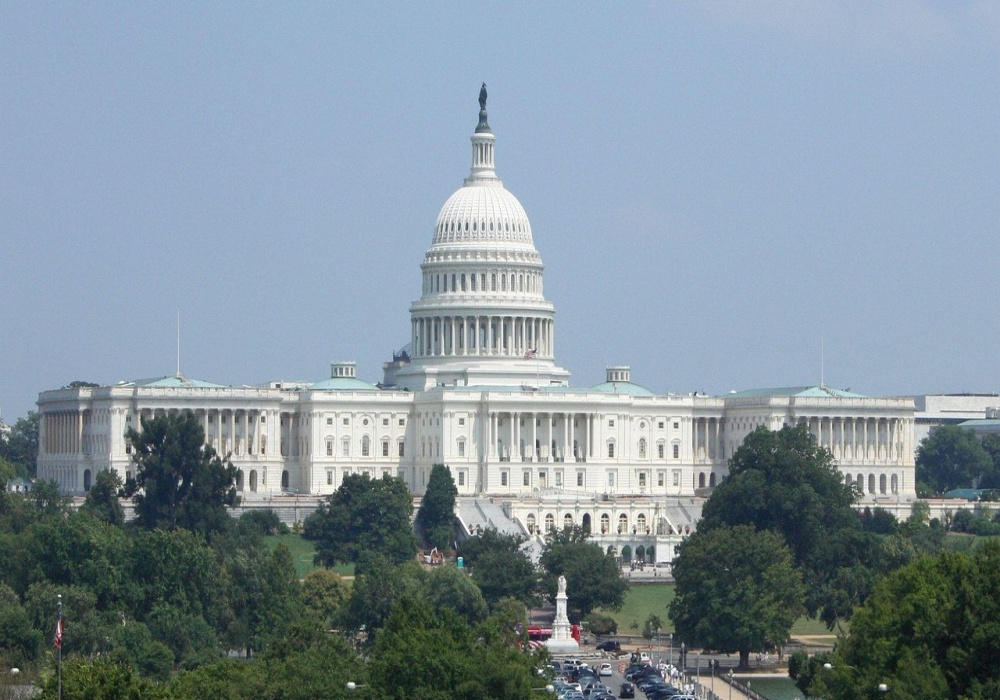


Dhaka – Social media has become the heartbeat of youth culture in 2025, influencing everything from fashion and music to language and identity. For millions of teenagers and young adults in Bangladesh and across the globe, platforms like TikTok, Instagram, and YouTube are not just digital tools — they are cultural spaces where trends are born, shared, and reshaped every hour. According to a recent study by the Centre for Digital Youth, over 85% of teenagers in urban Bangladesh spend more than three hours daily on social media. The report highlights how these platforms have evolved into powerful agents of influence — changing how the younger generation dresses, speaks, socializes, and even views the world. “I get all my ideas from social media — what to wear, what to listen to, what new spots to hang out at,” said Samiya Rahman, a 17-year-old student from Dhaka. “Sometimes I feel like I’m living two lives — one offline, one online.” TikTok, in particular, remains the most influential platform among youth. Viral challenges, dance routines, cooking hacks, fashion transitions, and motivational reels dominate the feed. Bangladeshi content creators like Tanzim Khan, Oishee Rahman, and Fahim Vlogs have become household names among Gen Z followers. Instagram, on the other hand, is still the go-to for curated personal branding. Young people use Stories and Reels to document their daily lives, achievements, activism, and style — often edited with filters, music, and effects to match aesthetic trends. But with this hyper-connectivity comes a complex web of pressures. Digital comparison, fear of missing out (FOMO), and the pursuit of perfection have led to rising anxiety, low self-esteem, and screen dependency. “Social media is giving young people a platform to express themselves, but also putting them under enormous pressure to look perfect and stay ‘on trend,’” said Dr. Mahbuba Sultana, a child psychologist. “We need more open conversations around digital wellness.” Peer influence is also shifting. Instead of traditional role models like athletes or actors, teens are now following micro-influencers and content creators who speak their language and share their struggles. Topics like mental health, gender identity, climate change, and self-love are gaining traction — often started by young users themselves. In response to growing concerns, some schools are introducing digital citizenship classes to teach students how to use social media responsibly, spot misinformation, and balance screen time with real-life interactions. Despite the concerns, many believe social media has given the youth more freedom, visibility, and voice than any generation before. “I’ve learned more about confidence, culture, and creativity from my TikTok feed than from my textbooks,” said Ayman Nafi, an 18-year-old aspiring content creator from Sylhet. “It’s where we all connect and grow.” As the youth continue to define their generation online, experts call for greater digital literacy, parental understanding, and platform responsibility to ensure that the online world remains a space for empowerment — not pressure.