Today, search engines use more than 200+ diverse aspects to generate search results on SERP, which means a lot of different features impact your location in search results. There are 3 primary factor where search engine works in Digital Marketing are as below: Crawl: The crawling process initiated with a list of web addresses from earlier crawls and sitemap provided by the website holder. Index: Indexer store and arrange the content found in the crawling process. Once a page is indexed, its in the running to be shown as a result of relevant queries on SERP. Ranking Algorithm: Google ranking algorithms are designed to categories through billions of web addresses in our Search index to find the most relevant, useful results to users who enter the keyword in search engines. If you want more organic traffic on your website, then it is necessary for you to understand how Google algorithm works. For example: If you hunger more video views, then then you need to understand YouTube algorithm. Meanwhile each search engine has a different ranking algorithm, it is impossible to cover all in this guide.Let us see types of seo details we used to generate organic traffic:
The United States has long been known as a nation of immigrants and diversity. Over the last century, significant demographic changes have occurred due to immigration patterns, birth rates, cultural shifts, and changing social values. This report outlines how the racial, regional, religious, and national origin composition of the U.S. population has evolved — and where it’s heading. Table 1: U.S. Population by Race/Ethnicity (1960–2024) Year White (Non-Hispanic) Black Hispanic/Latino Asian Native American Multiracial Other 1960 85% 10.5% 3.5% 0.5% 0.3% — 0.2% 1980 80% 11.5% 6.4% 1.5% 0.6% — 0.3% 2000 69% 12.3% 12.5% 3.6% 0.9% 2.4% 0.3% 2020 59.3% 13.4% 18.5% 5.9% 1.3% 2.8% 0.1% 2024* 57.1% 13.2% 19.1% 6.5% 1.4% 3.1% 0.2% Over the last six decades, the regional distribution of the U.S. population has undergone a substantial transformation. Economic shifts, climate preferences, and immigration patterns have contributed to the steady rise of the South and West as the primary hubs of growth, while the Northeast and Midwest have seen their shares of the national population gradually decline. The United States Census Bureau divides the country into four main regions: Northeast, Midwest, South, and West. Over the past several decades, regional population distribution has shifted significantly due to migration trends, job availability, climate preferences, and immigration. Table 2: Regional Population Distribution (by U.S. Census Regions) Region 1960 1980 2000 2020 2024 (Est.) Northeast 25% 22% 19% 17% 16.5% Midwest 29% 27% 23% 20% 19.7% South 31% 34% 36% 38% 39.2% West 15% 17% 22% 25% 24.6% Key Takeaway: The South and West have seen consistent growth due to warmer climates, job markets, and immigration hubs (e.g., Texas, Florida, California). The religious landscape of the United States has undergone a dramatic transformation over the past 70 years. While the country once identified overwhelmingly as Christian — particularly Protestant — more Americans today are choosing no religious affiliation, a trend that reflects shifting cultural norms, generational change, and growing diversity. Demography by religion Religion 1950 1980 2000 2020 2024 (Est.) Protestant 69% 56% 51% 40% 39% Catholic 25% 27% 24% 21% 20% Jewish 3% 2.5% 2% 1.8% 1.8% Muslim <0.1% 0.5% 1% 1.3% 1.5% Hindu/Buddhist <0.1% 0.5% 1.5% 2% 2.2% Unaffiliated 2% 7% 15% 27% 29% Key Shift: The rise of the “nones” (religiously unaffiliated) is among the most dramatic religious shifts in recent history. Immigration has always been a cornerstone of the American story. But over the past 60 years, the origins of the U.S. foreign-born population have changed dramatically — shifting from a Europe-dominated pattern to one led by Latin America, Asia, and more recently, Africa. These demographic transformations reflect both global trends and U.S. immigration policy reforms. Summary Insights Racial Diversity Growing Rapidly: Non-Hispanic Whites are no longer a supermajority. By 2045, the U.S. is projected to be “minority-majority.” Regional Power Shift: The South and West are economic and population growth engines. Religious Landscape is Secularizing: Protestants and Catholics are declining; the religiously unaffiliated are growing fastest. Immigration Patterns Have Shifted: From European-dominated to Latin American and Asian-majority since 1965’s Immigration and Nationality Act.
Seven years after its debut, WWE Evolution returned with gusto—and a renewed mission—by staging an all-women’s flagship event on Netflix and Peacock at State Farm Arena, attended by 8,351 fans. The electrifying main event saw Naomi cashing in her Money in the Bank contract mid-match to defeat Iyo Sky and Rhea Ripley, capturing Raw’s Women’s World Championship in a stunning triple-threat finish. Wikipedia Earlier on the card, Naomi lost a brutal No Holds Barred match to Jade Cargill, officiated by special referee Bianca Belair, underlining the night’s intensity. Supporting matches featured Tiffany Stratton retaining SmackDown’s Women’s Championship by defeating Trish Stratus, while Becky Lynch held Raw’s Women’s Intercontinental title in a triple-threat victory over Lyra Valkyria and Bayley. Later, Stephanie Vaquer won the Evolution Battle Royal to earn a title match at SummerSlam in Paris. Wikipedia This second Evolution event marks more than a sequel it signals WWE's recommitment to women’s wrestling as a premier attraction, elevating full-length women-only PPVs into mainstream platforms and global streaming services. Wikipedia Critics and fans alike praised WWE’s strategic shift: Evolution’s placement on Netflix and Peacock made it accessible globally, while the inclusion of talent across Raw, SmackDown, and NXT demonstrated a unified female roster elevation. Industry analysts see this event as a potential turning point for gender representation in wrestling entertainment. Amid the broader week of sports stories, WWE Evolution stands out as a cultural moment—spanning athleticism, storytelling, and inclusivity. As SummerSlam approaches, the ripple effects from Evolution’s success are expected to shape future female-centric main events.
The 2025 MLB All-Star Game in Atlanta broke new ground as it became the first in league history to be decided by a “swing-off”—a thrilling, Home Run Derby-style tiebreaker. With the game knotted at 6–6 after nine innings, fans were treated to an electrifying finale as three batters from each league took three swings apiece. Kyle Schwarber led the National League to a 7–6 victory by smashing all three of his swings over the fence, earning him the All-Star MVP title in spectacular fashion. Although Schwarber had no official hits during the regular innings, his clutch performance in the swing-off stunned both fans and fellow players. With the pressure on, he stepped up and delivered three consecutive home runs, proving that power and poise under pressure still define the game’s biggest stars. His heroics sealed the National League’s second consecutive win and secured his place in All-Star Game history.The game wasn't just about the bats—it was a showcase of innovation. MLB introduced its new Automated Ball-Strike (ABS) challenge system, giving players the ability to contest pitch calls in real time. Beyond the game, Atlanta transformed into a celebration of baseball and pop culture. Truist Park and The Battery district played host to a wave of celebrity appearances, fan festivals, red carpet events, and concerts. Quavo, Jermaine Dupri, and other stars mingled with athletes, while fans enjoyed everything from meet-and-greets to live entertainment. The celebrity softball game brought laughter and excitement, blending Hollywood charm with baseball tradition. With the success of the swing-off format, a more interactive fan experience, and a strong blend of sports and spectacle, the 2025 All-Star Game set a bold tone for future events. Amid all the excitement, the 2025 All-Star Game also delivered heartfelt moments that resonated with fans across generations. A moving tribute honored the legendary careers of Clayton Kershaw and Freddie Freeman, both making their final All-Star appearances. As the stadium rose in applause, highlights from their storied careers played on the big screen, bringing many in the crowd to tears. Players and fans alike embraced the moment, reminding everyone that beyond the spectacle, the game remains deeply rooted in history, legacy, and love for the sport.

Tourism Rebounds Strongly in 2025 as Travelers Seek New Adventures Post-Pandemic The global tourism industry has entered a period of remarkable recovery in 2025, following several years of pandemic-related disruption. With the lifting of most travel restrictions, renewed consumer confidence, and a deep craving for exploration, tourism has surged across continents. Experts say this rebound is not merely a return to old patterns, but a reshaping of how people travel, what they value, and how the industry responds. International Travel Reaches Record Levels Countries around the world have seen a significant rise in international arrivals. Popular destinations like France, Thailand, Italy, and Mexico are reporting visitor numbers that not only match but exceed pre-pandemic figures. Airports are bustling, cruise ships are sailing at full capacity, and global airlines have reinstated and even expanded routes. This surge is being driven by both leisure and business travelers eager to reconnect with the world. Tourists Demand Deeper, More Meaningful Experiences Travelers in 2025 are no longer satisfied with generic sightseeing tours. There is a growing demand for immersive experiences—whether it's living with a local family in a remote village, joining a traditional cooking class, or volunteering in conservation projects. This shift reflects a deeper desire for cultural understanding, personal growth, and making lasting memories, rather than just collecting passport stamps. Technology Transforms the Travel Experience Advancements in technology have revolutionized every stage of the travel journey. From AI-powered itinerary planners and mobile boarding passes to biometric check-ins and real-time translation apps, modern travelers are enjoying unprecedented convenience. Virtual reality previews and augmented reality tours are also helping travelers plan smarter and engage more deeply with destinations. Sustainability Becomes a Core Concern Post-pandemic travelers are more environmentally conscious than ever before. Eco-tourism has moved from niche to mainstream, with tourists choosing green-certified hotels, carbon offset flights, and low-impact transport options. Many are also seeking out destinations that emphasize environmental protection, wildlife preservation, and sustainable development. Tour operators and governments are responding by investing in responsible travel infrastructure and education. Flexible Booking and Safety Measures Still Matter Despite the easing of global health threats, travelers remain cautious. Flexible booking policies, free cancellations, and comprehensive travel insurance are considered essential. Tourists also favor destinations with clear safety protocols and reliable healthcare systems. These preferences are shaping the policies of airlines, hotels, and tour agencies, which now compete not only on price and location but on traveler assurance. Domestic and Regional Tourism Remains Strong While international travel has boomed, domestic tourism has also seen steady growth. Many travelers are discovering hidden gems within their own countries—national parks, cultural heritage sites, and lesser-known towns—thanks to local government campaigns and improved transportation networks. Weekend getaways, road trips, and regional cruises are more popular than ever, helping stimulate local economies and reduce pressure on overcrowded hotspots. Travel Trends Are Redefining Industry Standards. From "workcations" that blend business with leisure to solo female travel and multi-generational family trips, the diversity of travel preferences is expanding. Social media continues to influence destination choices, while personalized travel experiences—tailored by data and AI—are raising expectations across the industry. The result is a tourism ecosystem that is more agile, inclusive, and innovative.

Global stock markets remained mixed today as investors weighed fresh U.S. inflation data, corporate earnings reports, and the ongoing economic uncertainty in China and Europe. The U.S. stock market opened slightly higher on Monday morning, with the Dow Jones Industrial Average rising 0.4%, the S&P 500 climbing 0.3%, and the Nasdaq Composite gaining 0.5% in early trading. Investors responded positively to June's U.S. Consumer Price Index (CPI) report, which showed inflation cooling slightly to an annual rate of 3.0%, down from 3.3% in May."Markets are optimistic that the Federal Reserve may pause or even cut interest rates by the fall," said Lisa Raymond, chief analyst at Morgan & Co. "But it's still a wait-and-see situation, especially with more earnings coming this week." Wall Street Opens Higher Dow +0.4%, S&P 500 +0.3%, Nasdaq +0.5% on Monday morning. Boosted by June CPI showing inflation cooled to 3.0% (down from 3.3%). Hopes rise for potential Fed rate cut or pause by fall. The U.S. stock market opened slightly higher on Monday morning, with the Dow Jones Industrial Average rising 0.4%, the S&P 500 climbing 0.3%, and the Nasdaq Composite gaining 0.5% in early trading. Investors responded positively to June's U.S. Consumer Price Index (CPI) report, which showed inflation cooling slightly to an annual rate of 3.0%, down from 3.3% in May. "Markets are optimistic that the Federal Reserve may pause or even cut interest rates by the fall," said Lisa Raymond, chief analyst at Morgan & Co. "But it's still a wait-and-see situation, especially with more earnings coming this week." Tech Leads the Way Technology stocks led the gains in the U.S., with Apple (AAPL) up 1.8% and Nvidia (NVDA) jumping 2.4%, as demand for AI and semiconductors remains strong. Tesla (TSLA) also rebounded, rising 3.1% after announcing better-than-expected Q2 vehicle deliveries. Global stock markets showed a mixed performance as investors weighed persistent inflation concerns against a wave of corporate earnings reports. While strong results from major tech companies helped lift some indexes, uncertainty surrounding central bank policies and the future path of interest rates kept others in check. In the U.S., Europe Struggles on Growth Concerns Meanwhile, European markets showed little movement, with the FTSE 100 in London flat and Germany’s DAX down 0.2%. Investors remain concerned about weak industrial output and rising energy costs across the Eurozone.“The European economy is showing signs of fatigue,” said Carla Dupont, economist at BNP Paribas. “High borrowing costs and geopolitical tensions are dragging down business activity.”Global stock markets showed a mixed performance as investors weighed persistent inflation concerns against a wave of corporate earnings reports. While strong results from major tech companies helped lift some indexes, uncertainty surrounding central bank policies and the future path of interest rates kept others in check. In the U.S., Market Performance Summary Table Region Index/Company Movement (%) Key Driver USA Dow Jones +0.4% Positive CPI report (3.0% inflation) S&P 500 +0.3% Rate cut optimism Nasdaq +0.5% Tech stock gains Apple (AAPL) +1.8% Strong AI demand Nvidia (NVDA) +2.4% Semiconductor growth Tesla (TSLA) +3.1% Strong Q2 deliveries Europe FTSE 100 (UK) 0.0% Flat due to economic uncertainty DAX (Germany) -0.2% Weak industrial output, high energy costs Asia Nikkei 225 (Japan) +0.6% Strong export performance Shanghai Composite -1.2% Property sector risks, low consumer spending Asia Mixed as Chinese Markets Slump In Asia, markets showed mixed results. Japan’s Nikkei 225 gained 0.6%, supported by strong export data. However, Chinese markets fell sharply, with the Shanghai Composite down 1.2%, as fears about the country’s property sector and sluggish consumer spending persisted. Gains in consumer and tech sectors pushed markets higher, but weaker-than-expected bank earnings and inflation-related jitters limited broader momentum. European markets edged lower as traders grew cautious about global trade tensions and slowing growth indicators, while Asian markets saw mixed results, with Hong Kong posting modest gains and Tokyo slipping slightly. Overall, market sentiment remains cautious as investors await further economic data and guidance from central banks. Looking Ahead Investors are now turning their focus to key corporate earnings this week from major banks like JPMorgan Chase, Goldman Sachs, and Citigroup, as well as tech giants like Netflix and Microsoft. The results are expected to provide a clearer picture of business resilience amid high interest rates and uncertain global demand. Overall, market sentiment remains cautious as investors await further economic data and guidance from central banks.

In an increasingly visual world, photography has evolved far beyond a hobby—it has become a powerful tool of connection, identity, and even resistance. From the alleyways of Marrakech to the streets of Tokyo, people around the globe are using photography to capture their realities, share their truths, and reimagine how we see the world. In 2025, the art of photography is no longer limited to professionals or those with expensive equipment. With powerful cameras embedded in nearly every smartphone and editing apps accessible to all, the global population has become a generation of storytellers. A New Language of Expression Photography has become the most universal visual language—transcending borders, politics, and even spoken words. A single image can spark movements, ignite conversations, and bring attention to marginalised voices. From the war-torn zones of Gaza and Ukraine to peaceful protests in Europe and climate marches in South America, everyday citizens are documenting history in real time. These raw, unfiltered images often make their way to global audiences faster than traditional news media. "The smartphone is the new pen," says French photojournalist Camille Laurent. "People don’t just take photos—they share their worldviews." The Rise of Visual Identity In cities like New York, Seoul, and Berlin, photography has become deeply intertwined with personal branding. On platforms like Instagram and Threads, visuals are the currency of influence. Whether it’s fashion, travel, activism, or mental health, photography is the lens through which individuals craft and project their identity. This has also sparked a global aesthetic—where minimalist cafes in Istanbul resemble those in Paris, and sunlit "golden hour" selfies are universal. Yet within this visual sameness, cultural uniqueness is also being celebrated. Photographers are reclaiming their heritage—using traditional attire, rural landscapes, and local rituals to tell stories that challenge stereotypes and global homogenisation. AI, Ethics & The Future As artificial intelligence blends with photography, questions of ethics and authenticity are surfacing. AI-generated portraits and edited realities raise concerns about truth, body image, and media manipulation. Yet, at the same time, AI tools are empowering more people to create stunning visuals without formal training—democratising creativity in ways never imagined. "We're entering an era where the line between photography and digital art is blurring," notes Japanese visual artist Rei Nakamura. "But the emotion behind the image still matters most." A Global Bond In refugee camps in Jordan, schoolchildren are given disposable cameras to capture their lives. In Scandinavian forests, nature photographers use drones to document wildlife. On African coastlines, photographers are preserving indigenous stories that were never written down. Despite the diversity of context, one thing is clear: photography connects humanity. It offers empathy. It builds bridges. In the words of American photographer Dorothea Lange, "Photography takes an instant out of time, altering life by holding it still." And today, more than ever, the world is watching—frame by frame.

In a time when digital transformation is reshaping every corner of the globe, one of the most remarkable changes is happening quietly in rural areas of countries like Bangladesh, India, Nepal, and Pakistan — where YouTube is revolutionizing education. With limited access to quality teachers, outdated textbooks, and overcrowded classrooms, students in rural communities are increasingly turning to YouTube learning channels to supplement or even replace traditional schooling. Thanks to the rise of affordable smartphones and expanding 4G networks, even in remote villages, platforms like YouTube have become virtual classrooms. Students can now watch free, high-quality educational content from renowned platforms such as Khan Academy, Ten Minute School, Unacademy, BYJU’S, and Exam Preparation BD. These channels offer lessons in mathematics, science, language learning, general knowledge, and test preparation — all delivered in engaging formats and often in regional languages like Bangla, Hindi, or Tamil. This accessibility has democratized learning, removing barriers of geography, cost, and availability of trained educators. Key Statistics: 68% of rural students in Bangladesh with access to smartphones report using YouTube for educational purposes (Digital Inclusion Survey, 2024). Ten Minute School boasts over 3 million subscribers and provides over 10,000 free video lectures aligned with Bangladesh’s national curriculum. In India, Unacademy and BYJU’S serve over 50 million students, with significant growth in rural user bases. For students like Mim Akter, a ninth grader from rural Khulna, this shift is life-changing: “Our school lacks science teachers. Now I watch chemistry classes on YouTube in the evenings. I never thought I’d understand atoms and molecules this way.” Similarly, in places where power cuts and poor infrastructure often halt schooling, students can download lessons offline, watch at their own pace, and replay concepts until fully understood. YouTube allows asynchronous learning, letting students learn when and how they want — something especially important for girls and working youth who cannot attend school full-time. YouTube learning channels are also addressing practical skill-building. Rural youth are learning computer literacy, graphic design, agricultural tips, tailoring, and even small business skills. Channels like Krishi Sheba BD help farmers with crop rotation, organic pesticide methods, and seasonal crop planning, while others teach computer skills and mobile repair — skills that directly improve livelihoods. Popular Learning Topics in Rural Areas via YouTube: SSC & HSC Exam Preparation Basic English Speaking and Writing Science Experiments and Visual Learning Government Job Test Prep (BCS, Bank, Railway) Computer Basics and Freelancing Skills Agricultural Training and Farming Methods But this progress doesn’t come without concerns. Experts warn of digital fatigue, misinformation, and distraction. Not all content is credible, and rural learners — often new to the internet — may fall prey to low-quality or misleading videos. To counter this, digital literacy training and school-supported content curation are becoming essential. Schools and NGOs are beginning to integrate curated YouTube playlists into classroom routines to ensure content relevance and safety. Policy experts and educators are now calling for formal integration of digital tools into rural education policies. Many suggest partnerships between national education boards and popular learning channels to certify content, track learning progress, and provide internet subsidies to disadvantaged students. Despite these challenges, YouTube has become an equalizer — a bridge over the urban-rural education divide. It has opened up new paths for self-learners, dropouts, and underserved youth, empowering them to dream beyond their limitations. In regions where education once seemed like a privilege, YouTube is now the teacher, the classroom, and the library — all rolled into one.

A dramatic wave of realignment is sweeping across collegiate athletics, as major programs abandon long-standing conferences in search of lucrative media deals and expanded playoff opportunities. The Big Ten, SEC, and Big 12 have absorbed schools from coast to coast, leaving once-stable institutions like the Pac-12 fractured. These moves are dissolving historic rivalries and reshaping the identity of college sports, sparking backlash from fans and alumni who lament the loss of tradition for the sake of revenue. Athlete Compensation Enters Legal Crosshairs The fight over athlete compensation has reached new legal heights. Ongoing lawsuits and federal reviews are challenging the NCAA’s amateurism model, with growing momentum behind classifying student-athletes as employees. Courts are also examining whether colleges owe athletes additional protections under labor law. The decisions expected in the coming months could open the door for direct salaries, unionization, and broader benefits, potentially redefining the student-athlete experience. Nzme, Image, and Likeness (NIL) Continues to Evolve The NIL era is maturing rapidly, with student-athletes now securing multi-million-dollar endorsement deals and building personal brands through social media and sponsorships. However, the lack of federal regulation has led to inconsistencies across states and programs, creating confusion and competitive imbalance. Schools are scrambling to develop compliance frameworks, while Congress considers national legislation to bring uniformity to NIL rights and prevent further chaos in collegiate recruiting. Governance Reform Sparks Power Struggles As the NCAA faces mounting criticism over its authority and effectiveness, calls for governance reform are intensifying. Some schools and conferences are pushing for a breakaway model that would grant elite programs more autonomy. Others advocate for a decentralized system with regional control and athlete representation. The ongoing debates reflect deeper tensions about who controls college sports—and whether the current system can survive the era of big business and player empowerment. The Future: Toward a Professionalized College Sports Model? These combined shifts are pointing college sports toward a more professionalized future. As legal, financial, and structural pressures build, the once-clear line between amateur and professional athletics continues to blur. Whether through collective bargaining, conference-led governance, or direct payment, the landscape is evolving at a historic pace. What was once student-centered competition is now a billion-dollar industry confronting its identity—and rewriting its rules in real time.

In a moment steeped in franchise heritage, the Washington Commanders announced they will be retiring Hall‑of‑Famer Art Monk’s No. 81 jersey during their Week 9 home game against the Seattle Seahawks. The ceremony will feature "Super Bowl Era" alternate uniforms, a tribute befitting the receiver whose 940 catches and nearly 13,000 receiving yards remain Washington’s all‑time record. As the franchise honours its past, a tense negotiation unfolds in the present. Terry McLaurin, entering the final season of his six‑year, $68 million contract, has publicly voiced frustration over delays in extension talks. With five straight 1,000‑yard seasons behind him, McLaurin insists on compensation befitting an elite NFL receiver. His vocal discontent has sparked concerns among fans and analysts—many urging the front office to resolve the matter before training camp to avoid derailment during the 2025 season. Adding further intrigue, linebacker Frankie Luvu earned recognition as the No. 5 off‑ball linebacker in ESPN's 2025 rankings thanks to an outstanding 2024 campaign featuring eight sacks, 12 tackles for loss, and second‑team All‑Pro honours. Hogs Haven His rise signals that while the Commanders honour legends, new standout performances are reshaping the team’s identity. Legal and competitive landscapes also simmer as the Mountain West and Pac‑12 conferences prepare for litigation over unresolved legal disputes, possibly reshaping college athletics governance. Meanwhile, the "Moneyball" model is making waves—Texas Tech and others are strategically investing to level the playing field, exploring salary caps and compensation structuring, including tactics like backloading deals to stay competitive. The Times of India Hogs Haven The Falcoholic Mountain West Connection Into this evolving narrative, college football continues to produce standout professionals—players like Murf Gray, Jack Anker, and Aidan Cremarosa were recently drafted in the 2025 MLB Draft, underscoring the conference’s rising talent pipeline. Mountain West Connection This convergence of legacy celebration, player valuation, emerging defensive stars, and institutional transformation epitomises a franchise and sport in transition. The Commanders face critical decisions—balancing reverence for legends like Monk with the urgency of retaining top talent like McLaurin and building a competitive roster around rising standouts like Luvu. As training camps loom, how these storylines unfold—contract resolution, offensive versus defensive leadership, legal disputes in collegiate sport, and institutional competitiveness—will shape the trajectory not only of the Commanders organisation but also the broader narrative of American football in 2025.




The United States has long been known as a nation of immigrants and diversity. Over the last century, significant demographic changes have occurred due to immigration patterns, birth rates, cultural shifts, and changing social values. This report outlines how the racial, regional, religious, and national origin composition of the U.S. population has evolved — and where it’s heading. Table 1: U.S. Population by Race/Ethnicity (1960–2024) Year White (Non-Hispanic) Black Hispanic/Latino Asian Native American Multiracial Other 1960 85% 10.5% 3.5% 0.5% 0.3% — 0.2% 1980 80% 11.5% 6.4% 1.5% 0.6% — 0.3% 2000 69% 12.3% 12.5% 3.6% 0.9% 2.4% 0.3% 2020 59.3% 13.4% 18.5% 5.9% 1.3% 2.8% 0.1% 2024* 57.1% 13.2% 19.1% 6.5% 1.4% 3.1% 0.2% Over the last six decades, the regional distribution of the U.S. population has undergone a substantial transformation. Economic shifts, climate preferences, and immigration patterns have contributed to the steady rise of the South and West as the primary hubs of growth, while the Northeast and Midwest have seen their shares of the national population gradually decline. The United States Census Bureau divides the country into four main regions: Northeast, Midwest, South, and West. Over the past several decades, regional population distribution has shifted significantly due to migration trends, job availability, climate preferences, and immigration. Table 2: Regional Population Distribution (by U.S. Census Regions) Region 1960 1980 2000 2020 2024 (Est.) Northeast 25% 22% 19% 17% 16.5% Midwest 29% 27% 23% 20% 19.7% South 31% 34% 36% 38% 39.2% West 15% 17% 22% 25% 24.6% Key Takeaway: The South and West have seen consistent growth due to warmer climates, job markets, and immigration hubs (e.g., Texas, Florida, California). The religious landscape of the United States has undergone a dramatic transformation over the past 70 years. While the country once identified overwhelmingly as Christian — particularly Protestant — more Americans today are choosing no religious affiliation, a trend that reflects shifting cultural norms, generational change, and growing diversity. Demography by religion Religion 1950 1980 2000 2020 2024 (Est.) Protestant 69% 56% 51% 40% 39% Catholic 25% 27% 24% 21% 20% Jewish 3% 2.5% 2% 1.8% 1.8% Muslim <0.1% 0.5% 1% 1.3% 1.5% Hindu/Buddhist <0.1% 0.5% 1.5% 2% 2.2% Unaffiliated 2% 7% 15% 27% 29% Key Shift: The rise of the “nones” (religiously unaffiliated) is among the most dramatic religious shifts in recent history. Immigration has always been a cornerstone of the American story. But over the past 60 years, the origins of the U.S. foreign-born population have changed dramatically — shifting from a Europe-dominated pattern to one led by Latin America, Asia, and more recently, Africa. These demographic transformations reflect both global trends and U.S. immigration policy reforms. Summary Insights Racial Diversity Growing Rapidly: Non-Hispanic Whites are no longer a supermajority. By 2045, the U.S. is projected to be “minority-majority.” Regional Power Shift: The South and West are economic and population growth engines. Religious Landscape is Secularizing: Protestants and Catholics are declining; the religiously unaffiliated are growing fastest. Immigration Patterns Have Shifted: From European-dominated to Latin American and Asian-majority since 1965’s Immigration and Nationality Act.

Seven years after its debut, WWE Evolution returned with gusto—and a renewed mission—by staging an all-women’s flagship event on Netflix and Peacock at State Farm Arena, attended by 8,351 fans. The electrifying main event saw Naomi cashing in her Money in the Bank contract mid-match to defeat Iyo Sky and Rhea Ripley, capturing Raw’s Women’s World Championship in a stunning triple-threat finish. Wikipedia Earlier on the card, Naomi lost a brutal No Holds Barred match to Jade Cargill, officiated by special referee Bianca Belair, underlining the night’s intensity. Supporting matches featured Tiffany Stratton retaining SmackDown’s Women’s Championship by defeating Trish Stratus, while Becky Lynch held Raw’s Women’s Intercontinental title in a triple-threat victory over Lyra Valkyria and Bayley. Later, Stephanie Vaquer won the Evolution Battle Royal to earn a title match at SummerSlam in Paris. Wikipedia This second Evolution event marks more than a sequel it signals WWE's recommitment to women’s wrestling as a premier attraction, elevating full-length women-only PPVs into mainstream platforms and global streaming services. Wikipedia Critics and fans alike praised WWE’s strategic shift: Evolution’s placement on Netflix and Peacock made it accessible globally, while the inclusion of talent across Raw, SmackDown, and NXT demonstrated a unified female roster elevation. Industry analysts see this event as a potential turning point for gender representation in wrestling entertainment. Amid the broader week of sports stories, WWE Evolution stands out as a cultural moment—spanning athleticism, storytelling, and inclusivity. As SummerSlam approaches, the ripple effects from Evolution’s success are expected to shape future female-centric main events.

The 2025 MLB All-Star Game in Atlanta broke new ground as it became the first in league history to be decided by a “swing-off”—a thrilling, Home Run Derby-style tiebreaker. With the game knotted at 6–6 after nine innings, fans were treated to an electrifying finale as three batters from each league took three swings apiece. Kyle Schwarber led the National League to a 7–6 victory by smashing all three of his swings over the fence, earning him the All-Star MVP title in spectacular fashion. Although Schwarber had no official hits during the regular innings, his clutch performance in the swing-off stunned both fans and fellow players. With the pressure on, he stepped up and delivered three consecutive home runs, proving that power and poise under pressure still define the game’s biggest stars. His heroics sealed the National League’s second consecutive win and secured his place in All-Star Game history.The game wasn't just about the bats—it was a showcase of innovation. MLB introduced its new Automated Ball-Strike (ABS) challenge system, giving players the ability to contest pitch calls in real time. Beyond the game, Atlanta transformed into a celebration of baseball and pop culture. Truist Park and The Battery district played host to a wave of celebrity appearances, fan festivals, red carpet events, and concerts. Quavo, Jermaine Dupri, and other stars mingled with athletes, while fans enjoyed everything from meet-and-greets to live entertainment. The celebrity softball game brought laughter and excitement, blending Hollywood charm with baseball tradition. With the success of the swing-off format, a more interactive fan experience, and a strong blend of sports and spectacle, the 2025 All-Star Game set a bold tone for future events. Amid all the excitement, the 2025 All-Star Game also delivered heartfelt moments that resonated with fans across generations. A moving tribute honored the legendary careers of Clayton Kershaw and Freddie Freeman, both making their final All-Star appearances. As the stadium rose in applause, highlights from their storied careers played on the big screen, bringing many in the crowd to tears. Players and fans alike embraced the moment, reminding everyone that beyond the spectacle, the game remains deeply rooted in history, legacy, and love for the sport.

Football’s rulemakers are pushing for sweeping change ahead of the 2026 FIFA World Cup, redefining how penalties and VAR decisions are adjudicated in high-stakes matches. The centerpiece proposal: abolish penalty rebounds. Under the new rule, once a penalty kick is taken—regardless of outcome—play would end immediately. Any rebound off the keeper or post ends in a goal kick awarded to the defensive team. Proponents say this mirrors shoot-out clarity, resolves VAR encroachment retakes, and reduces contentious second-chance controversy. Talk Sport Channel In a startling revelation, the CEO of a prominent "rent-a-crowd" agency has lifted the lid on the booming U.S. protest industry, exposing how political movements, corporate interests, and influencers routinely pay to stage large-scale demonstrations. Speaking anonymously, the executive detailed how thousands of actors and extras are hired to pose as passionate activists, boosting media coverage and swaying public opinion. From climate rallies to anti-corporate marches, these manufactured protests are meticulously choreographed, with participants receiving scripts, signs, and hourly pay. The disclosure raises serious ethical questions about authenticity in civic movements and the manipulation of democratic discourse. Simultaneously, VAR’s purview may expand significantly: future iterations would allow reviews of second yellow cards and corner-kick decisions, expanding beyond current limits that restrict it to straight red incidents. These changes aim to improve fairness but raise concerns over game flow and the human dynamic on the pitch. Talksport critics, including talkSPORT pundit Alan Brazil, labeled the proposals “a load of tosh,” arguing such regulation shifts remove nuance and over-engineer natural gameplay. Another theoretical change under consideration—Arsène Wenger’s “daylight offside rule”—would require attackers to be fully separated from defenders to be ruled onside, increasing objectivity but potentially changing traditional offside dynamics. Talksport These reforms also address double-touch penalties, stipulating retakes rather than awarding goals where infringement occurs, such as the incident with Julian Álvarez in last season’s Champions League. All measures are subject to ratification by February 2026 to take effect during the World Cup. Talksport. Should these rule changes pass, they would redefine football officiating—from grassroots leagues adopting new penalty protocols to elite matches experiencing altered stoppage patterns and VAR triggers.The potential implications are vast: strategic behavior, coach tactics during penalty sequences, and player conduct under intensified replay scrutiny could all shift. With the World Cup on the horizon, football’s global governing body may soon pivot action from debate to implementation.
Global stock markets remained mixed today as investors weighed fresh U.S. inflation data, corporate earnings reports, and the ongoing economic uncertainty in China and Europe. The U.S. stock market opened slightly higher on Monday morning, with the Dow Jones Industrial Average rising 0.4%, the S&P 500 climbing 0.3%, and the Nasdaq Composite gaining 0.5% in early trading. Investors responded positively to June's U.S. Consumer Price Index (CPI) report, which showed inflation cooling slightly to an annual rate of 3.0%, down from 3.3% in May."Markets are optimistic that the Federal Reserve may pause or even cut interest rates by the fall," said Lisa Raymond, chief analyst at Morgan & Co. "But it's still a wait-and-see situation, especially with more earnings coming this week." Wall Street Opens Higher Dow +0.4%, S&P 500 +0.3%, Nasdaq +0.5% on Monday morning. Boosted by June CPI showing inflation cooled to 3.0% (down from 3.3%). Hopes rise for potential Fed rate cut or pause by fall. The U.S. stock market opened slightly higher on Monday morning, with the Dow Jones Industrial Average rising 0.4%, the S&P 500 climbing 0.3%, and the Nasdaq Composite gaining 0.5% in early trading. Investors responded positively to June's U.S. Consumer Price Index (CPI) report, which showed inflation cooling slightly to an annual rate of 3.0%, down from 3.3% in May. "Markets are optimistic that the Federal Reserve may pause or even cut interest rates by the fall," said Lisa Raymond, chief analyst at Morgan & Co. "But it's still a wait-and-see situation, especially with more earnings coming this week." Tech Leads the Way Technology stocks led the gains in the U.S., with Apple (AAPL) up 1.8% and Nvidia (NVDA) jumping 2.4%, as demand for AI and semiconductors remains strong. Tesla (TSLA) also rebounded, rising 3.1% after announcing better-than-expected Q2 vehicle deliveries. Global stock markets showed a mixed performance as investors weighed persistent inflation concerns against a wave of corporate earnings reports. While strong results from major tech companies helped lift some indexes, uncertainty surrounding central bank policies and the future path of interest rates kept others in check. In the U.S., Europe Struggles on Growth Concerns Meanwhile, European markets showed little movement, with the FTSE 100 in London flat and Germany’s DAX down 0.2%. Investors remain concerned about weak industrial output and rising energy costs across the Eurozone.“The European economy is showing signs of fatigue,” said Carla Dupont, economist at BNP Paribas. “High borrowing costs and geopolitical tensions are dragging down business activity.”Global stock markets showed a mixed performance as investors weighed persistent inflation concerns against a wave of corporate earnings reports. While strong results from major tech companies helped lift some indexes, uncertainty surrounding central bank policies and the future path of interest rates kept others in check. In the U.S., Market Performance Summary Table Region Index/Company Movement (%) Key Driver USA Dow Jones +0.4% Positive CPI report (3.0% inflation) S&P 500 +0.3% Rate cut optimism Nasdaq +0.5% Tech stock gains Apple (AAPL) +1.8% Strong AI demand Nvidia (NVDA) +2.4% Semiconductor growth Tesla (TSLA) +3.1% Strong Q2 deliveries Europe FTSE 100 (UK) 0.0% Flat due to economic uncertainty DAX (Germany) -0.2% Weak industrial output, high energy costs Asia Nikkei 225 (Japan) +0.6% Strong export performance Shanghai Composite -1.2% Property sector risks, low consumer spending Asia Mixed as Chinese Markets Slump In Asia, markets showed mixed results. Japan’s Nikkei 225 gained 0.6%, supported by strong export data. However, Chinese markets fell sharply, with the Shanghai Composite down 1.2%, as fears about the country’s property sector and sluggish consumer spending persisted. Gains in consumer and tech sectors pushed markets higher, but weaker-than-expected bank earnings and inflation-related jitters limited broader momentum. European markets edged lower as traders grew cautious about global trade tensions and slowing growth indicators, while Asian markets saw mixed results, with Hong Kong posting modest gains and Tokyo slipping slightly. Overall, market sentiment remains cautious as investors await further economic data and guidance from central banks. Looking Ahead Investors are now turning their focus to key corporate earnings this week from major banks like JPMorgan Chase, Goldman Sachs, and Citigroup, as well as tech giants like Netflix and Microsoft. The results are expected to provide a clearer picture of business resilience amid high interest rates and uncertain global demand. Overall, market sentiment remains cautious as investors await further economic data and guidance from central banks.
 Play Video
 Play Video
 Play Video
 Play Video
 Play Video
 Play Video
 Play Video
 Play Video
 Play Video












Riko is the first wet cat food feeder to mix meals to order from a supply of freeze-dried food. Here’s how my cat and I liked it.

The over-the-air update adds themed lights, sounds, a scavenger hunt and a parked-only arcade game.

Raise a glass of “wodka” to the Enterprise’s navigator. The actor not only starred in the original series, but in all six original-cast movies.

A new iPad Mini and possible upgrades to the MacBook Pro and iMac are coming. Here’s what we’re anticipating in another big week for Apple.

Commentary: And it could mean the massacre of grading in general.

Data center and unc were on the shortlist of words considered for the tribute.

ChatGPT is cracking down on photorealistic, political deepfakes ahead of next week’s US midterm elections.

The company is offering a voluntary exit to 60,000 eligible employees while betting billions on the AI infrastructure buildout.

From skyscrapers to chairs to whimsical coat hooks, the Milan native Gio Ponti, who died in 1979, left an extraordinary legacy.

It is one of music’s most enduring genres, but its role in American culture has often been lost to time. This exhibition is aiming to change that.
Against a glittering backdrop and to the beat of a powerful soundtrack, an art museum exhibition gives the Dollys, Whitneys and Marías their due.
Across the United States, from Nevada to Missouri, museums and parks are displaying and honoring signs that “are like jewels on a necklace of the road.”
The Honolulu Museum of Art is showing how art can influence thinking, perspective and mood, in an exhibition that is part of a trend by museums to mix science and art.
An idea sparked by the historian Stephen E. Ambrose became the National World War II Museum in New Orleans.
A show at the Berry Campbell gallery in Manhattan offers a rare extensive examination of work by the artist, whose reputation has always been complicated by that of her famous husband.

In the show “her her,” Jane Benson anatomizes Mary Shelley’s novel, highlighting its feminism and creating visual works that are also vocal scores.

Kauli hiyo inakuja baada ya Ubalozi wa Tanzania nchini Kenya pia kusema kuwa haujapokea taarifa zozote kuhusu madai ya kutekwa kwa mwanaharakati huyo.

John Heche amesema haamini serikali ya Kenya ilihusika na kutoweka kwa Twaha Mwaipaya, lakini amehoji jinsi mtu anavyoweza kutekwa katika nchi nyingine bila msaada wa wenye mamlaka.

Wengi wanahofia kuwa hakuna kati ya kambi mbili kuu za kisiasa itakayopata viti vya kutosha kuunda serikali ya wengi, jambo ambalo linaweza kusababisha wiki au hata miezi kadhaa ya majadiliano na mivutano ya kisiasa kabla ya serikali kuundwa.

As polls pointed to defeat, millions joined a 'Lula's Army' channel that is credited with helping transform online enthusiasm into real-world mobilisation.

Matokeo ya chaguzi hizi mbili yanatarajiwa kuwa na athari kubwa si kwa mustakabali wa nchi hizo pekee, bali pia kwa vita vya Iran, usalama wa Mashariki ya Kati na uchumi wa dunia.

Kipindi cha habari, mahojiano na makala kila siku saa kumi na mbili na saa moja asubuhi Afrika Mashariki
Kipindi cha habari, mahojiano na makala kila siku saa kumi na mbili na saa moja asubuhi Afrika Mashariki

Keith Koren wa CSIS amesema ndege zisizo na rubani na makombora ya Iran hutegemea kwa kiasi kikubwa vifaa vinavyoagizwa kutoka nje.

<img border="0" hspace="10" align="left" src="https://timesofindia.indiatimes.com/photo/135231869.cms">Abhishek Sharma and Vaibhav Sooryavanshi set a new T20I record for the highest run rate in a 100-plus opening stand, scoring at 18.13 runs per over against New Zealand. Abhishek smashed 113 off 38 balls, while 15-year-old Sooryavanshi made 45 off 18. Their 133-run stand powered India to a six-wicket win and an unassailable 3-0 series lead.

<img border="0" hspace="10" align="left" src="https://timesofindia.indiatimes.com/photo/135230870.cms">In a remarkable display of batting prowess, Abhishek Sharma smashed a breathtaking century off just 35 balls in the T20I clash against New Zealand. This explosive innings propelled India to a six-wicket win, granting them a commanding 3-0 series lead. As New Zealand set a challenging target of 199 runs, Sharma, alongside Vaibhav Sooryavanshi, turned the tide in favor of India, solidifying Sharma's reputation as a top T20 century-maker.

<img border="0" hspace="10" align="left" src="https://timesofindia.indiatimes.com/photo/135230671.cms">Abhishek Sharma showcased his extraordinary prowess by scoring 113 runs off 38 deliveries, leading India to a sensational victory as they chased down 199 runs in just 13.2 overs, finishing 40 balls ahead. The dynamic opening pair of Sharma and Vaibhav Sooryavanshi set a lively rhythm, countering New Zealand's total of 198 runs, spearheaded by Daryl Mitchell.

<img border="0" hspace="10" align="left" src="https://timesofindia.indiatimes.com/photo/135230243.cms">India crushed New Zealand in the third T20I, setting a world record with 118/0 in the powerplay while chasing 199. Abhishek Sharma smashed an unbeaten 57 off 20 balls, while Vaibhav Sooryavanshi scored 44 off 17 deliveries. India also reached 100 in five overs and 50 in 2.2 overs, winning by six wickets to take a commanding 3-0 series lead.

<img border="0" hspace="10" align="left" src="https://timesofindia.indiatimes.com/photo/135230006.cms">Smriti Mandhana has dropped from the top spot in the ICC Women’s ODI batting rankings, now held by Laura Wolvaardt, following Mandhana's subpar performances. Meanwhile, Harmanpreet Kaur and Deepti Sharma have risen significantly after both scored centuries during the series. Deepti's outstanding showing also saw her climb in the all-rounder and bowler categories, while players from Zimbabwe and Australia made noteworthy gains in both ODI and T20I rankings.

<img border="0" hspace="10" align="left" src="https://timesofindia.indiatimes.com/photo/135228441.cms">

<img border="0" hspace="10" align="left" src="https://timesofindia.indiatimes.com/photo/135228488.cms">

<img border="0" hspace="10" align="left" src="https://timesofindia.indiatimes.com/photo/135227714.cms">India A faced New Zealand A in the first unofficial Test that ended in a draw due to bad light. After being bowled out for 113 in their first innings, India A responded strongly with 516 in their second innings. Devdutt Padikkal was the standout player, scoring 199 runs and establishing a significant partnership. New Zealand A struggled but managed to reach 187/9 when play stopped.

<img border="0" hspace="10" align="left" src="https://timesofindia.indiatimes.com/photo/135223733.cms">In Ecuador's coastal community, children spearheaded a two-year initiative to combat cigarette butt pollution. They collected thousands of butts, leading to a notable reduction along the beach. The project not only educated the youth but also empowered them to engage their families in clean-up campaigns. Local authorities actively supported these efforts, demonstrating the critical role of young voices in tackling environmental issues.

<img border="0" hspace="10" align="left" src="https://timesofindia.indiatimes.com/photo/135228629.cms">Archaeological research at Shég’ Xdaltth’í’ in Alaska revealed a rich site dating back 13,800 years. The site included stone tools, animal remains, and evidence of a possible shelter. Researchers identified activities such as food processing, toolmaking, and clothing production among early inhabitants. Comparisons with similar tools in Siberia suggest cultural connections across the Bering Land Bridge.
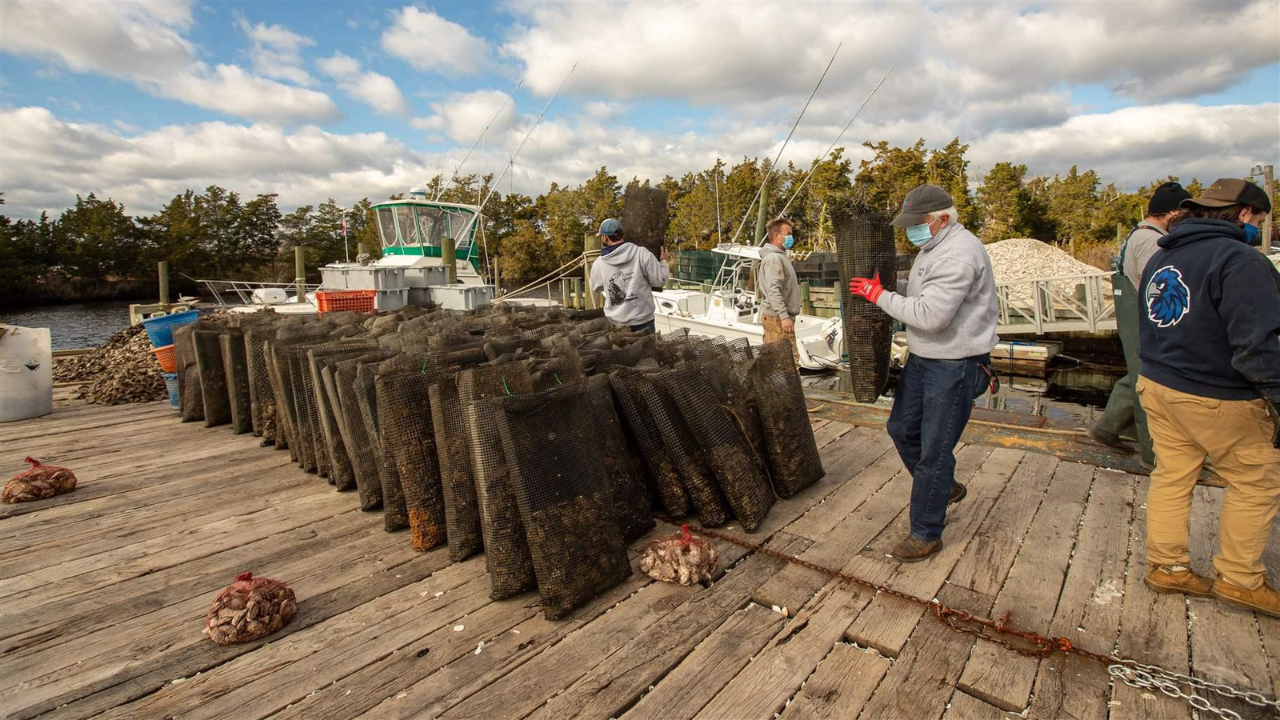
<img border="0" hspace="10" align="left" src="https://timesofindia.indiatimes.com/photo/135227283.cms">The COVID-19 pandemic forced restaurant closures, leaving oyster farms with a surplus of products. In response, the Supporting Oyster Aquaculture and Restoration program was launched to convert these excess oysters into valuable resources for habitat restoration. Over 7 million oysters have been sourced from more than 150 farm partners, promoting ecological benefits while supporting local fisheries.
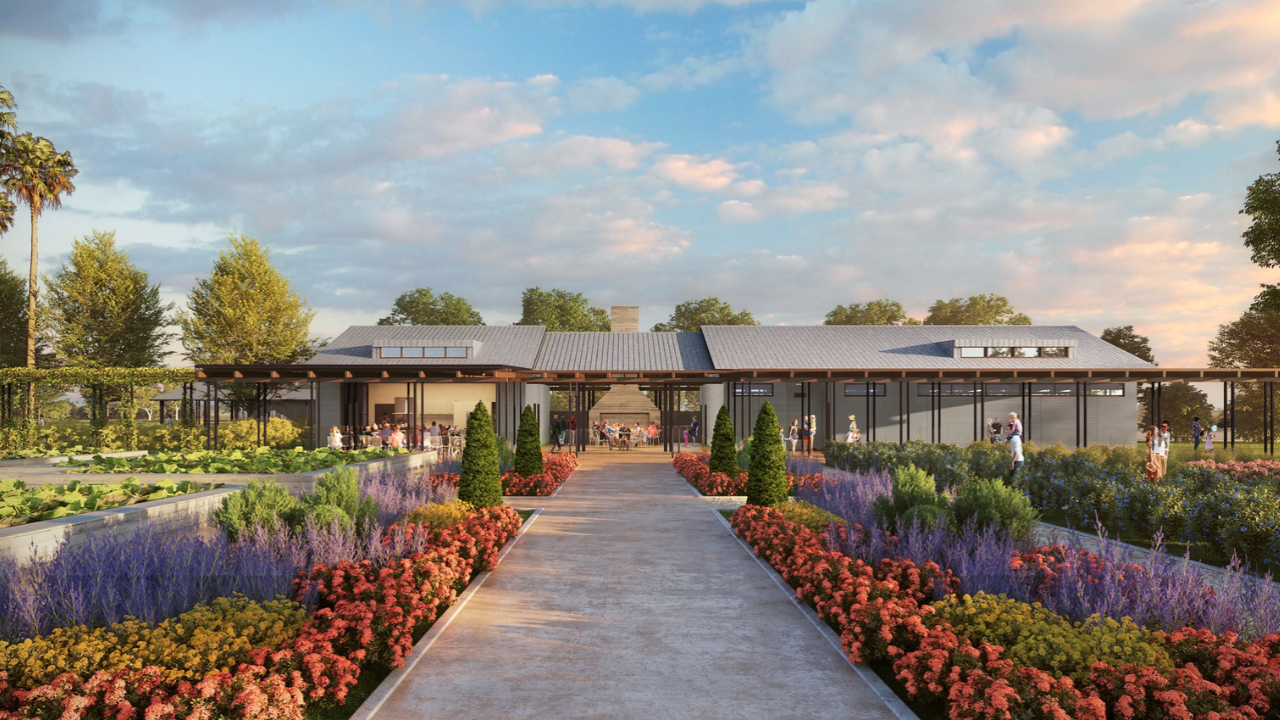
<img border="0" hspace="10" align="left" src="https://timesofindia.indiatimes.com/photo/135209278.cms">On October 23, 2026, Tucker Ranch Holistic Health and Wellness Park along with its Botanical Garden opened its doors to the public. This remarkable transformation of a former cattle ranch spans 25.6 acres, featuring stunning botanical displays, outdoor fitness spaces, and wellness facilities initiated through a substantial investment. Its mission is to foster health, education, and outdoor engagement for both residents and visitors, with free daily access for all.

<img border="0" hspace="10" align="left" src="https://timesofindia.indiatimes.com/photo/135224017.cms">For the first time in 160 years, archaeologists unearthed a bone flute at Troy, dating back approximately 2,800 years. In addition, they found a humanoid idol from the Early Bronze Age, offering new insights into the region's cultural traditions. The discoveries were announced by Turkish Minister of Culture and Tourism, Mehmet Nuri Ersoy. This time period correlates with the legendary works of Greek poet Homer.
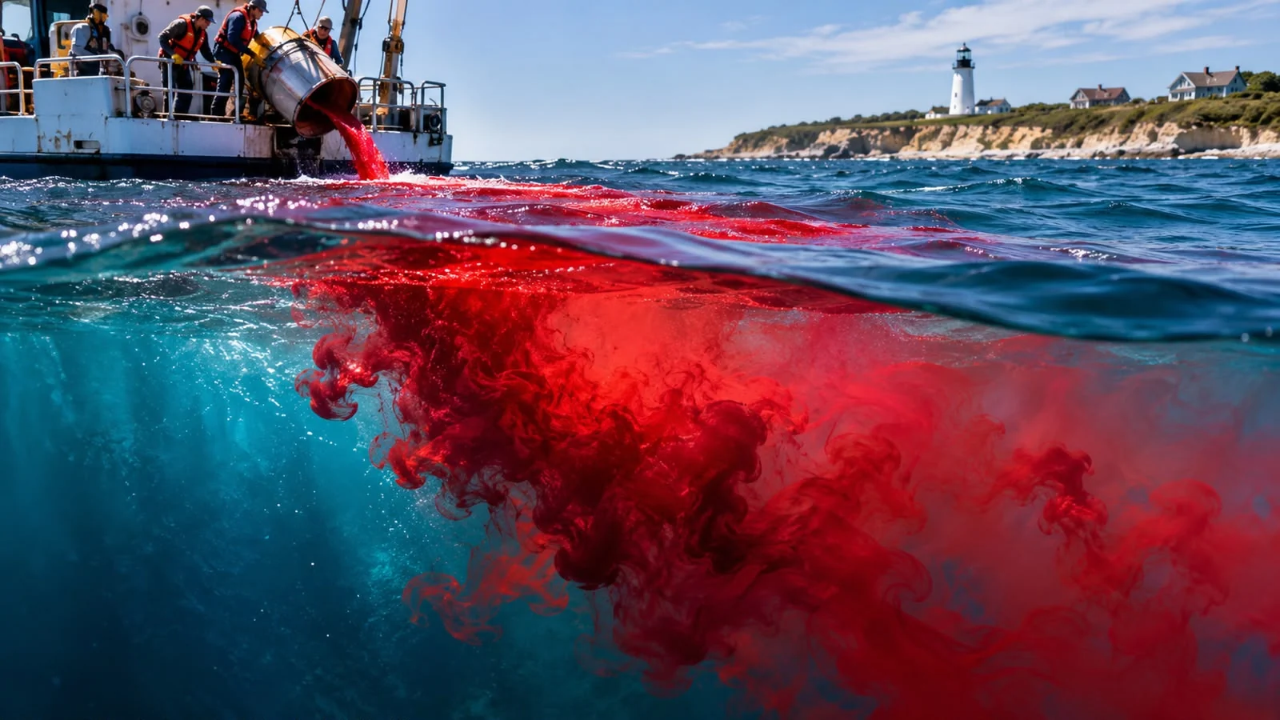
<img border="0" hspace="10" align="left" src="https://timesofindia.indiatimes.com/photo/135222699.cms">In a recent experiment near Martha’s Vineyard, scientists introduced rhodamine dye into the Atlantic Ocean to study its behavior. The dye spread quickly in the surface waters but demonstrated a slower descent into deeper layers. Findings showed a marked difference in mixing rates, emphasizing the complexities of ocean stratification on substance movement. This research is vital for the advancement of nutrient and pollutant transport models.

<img border="0" hspace="10" align="left" src="https://timesofindia.indiatimes.com/photo/135219322.cms">New Zealand's critically endangered southern dotterel population has risen by 52 percent following focused predator control efforts. Intensive campaigns targeting feral cats on Stewart Island have yielded immediate gains in breeding. The population grew from 105 birds in early 2025 to an estimated 160 in April 2026. Wildlife officials stress that ongoing management of feral cats is crucial for the bird's long-term survival.

<img border="0" hspace="10" align="left" src="https://timesofindia.indiatimes.com/photo/135208059.cms">
<img src="https://api.follow.it/track-rss-story-loaded/v1/uEvZwZWC7vyQm3DE-f8DgS1Ly282xAAw" border="0" width="1" height="1" alt="7 RVs We’re Excited About for 2027" title="7 RVs We’re Excited About for 2027"> <p>From an outdoor kitchen and a spacious gear garage to a front living room with a private rear suite, these seven RVs offer different ways to travel comfortably. Compare their features, layouts, and specifications to find your fit for 2027.</p> <p>The post <a href="https://rvlife.com/2027-rvs/">7 RVs We’re Excited About for 2027</a> appeared first on <a href="https://rvlife.com/">RV LIFE</a>.</p>
<img src="https://api.follow.it/track-rss-story-loaded/v1/s02O4E-nePchFR4SgNGaXC1Ly282xAAw" border="0" width="1" height="1" alt="Heading South for the Winter? Why Rush? Take a Breather at Love’s RV Stop off I-75" title="Heading South for the Winter? Why Rush? Take a Breather at Love’s RV Stop off I-75"> <p>Explore the full-hookup sites, covered patio options, pickleball, and nearby attractions at Love’s RV Stop in Cordele, Georgia.</p> <p>The post <a href="https://rvlife.com/loves-rv-stop-cordele-georgia/">Heading South for the Winter? Why Rush? Take a Breather at Love’s RV Stop off I-75</a> appeared first on <a href="https://rvlife.com/">RV LIFE</a>.</p>
<img src="https://api.follow.it/track-rss-story-loaded/v1/rKpO9j7c1VtDCeJgiEm4oi1Ly282xAAw" border="0" width="1" height="1" alt="Could Paso Robles Be Your Next Fall RV Destination?" title="Could Paso Robles Be Your Next Fall RV Destination?"> <p>Plan a fall RV trip to Paso Robles with harvest events, Sensorio’s lights, coastal drives, and resort comforts at Sun Outdoors Paso Robles.</p> <p>The post <a href="https://rvlife.com/paso-robles-fall-rv-trip/">Could Paso Robles Be Your Next Fall RV Destination?</a> appeared first on <a href="https://rvlife.com/">RV LIFE</a>.</p>
<img src="https://api.follow.it/track-rss-story-loaded/v1/2T54wxWzt3HJ98W5MKViYS1Ly282xAAw" border="0" width="1" height="1" alt="10 RV Getaways for Foliage, Festivals, and Desert Views" title="10 RV Getaways for Foliage, Festivals, and Desert Views"> <p>Explore 10 fall RV getaways for foliage, festivals, and desert views, with campground highlights, nearby outings, and practical planning tips.</p> <p>The post <a href="https://rvlife.com/rv-getaways-foliage-festivals-desert-views/">10 RV Getaways for Foliage, Festivals, and Desert Views</a> appeared first on <a href="https://rvlife.com/">RV LIFE</a>.</p>
<img src="https://api.follow.it/track-rss-story-loaded/v1/Hw7JoJEhmHMfBnmDdA-WJS1Ly282xAAw" border="0" width="1" height="1" alt="This Indiana RV Resort Brings Halloween to Santa Claus" title="This Indiana RV Resort Brings Halloween to Santa Claus"> <p>Explore campground-wide Halloween weekends at Sun Outdoors Lake Rudolph, plus resort amenities and fall activities in Santa Claus, Indiana.</p> <p>The post <a href="https://rvlife.com/this-indiana-rv-resort-brings-halloween-to-santa-claus/">This Indiana RV Resort Brings Halloween to Santa Claus</a> appeared first on <a href="https://rvlife.com/">RV LIFE</a>.</p>
<img src="https://api.follow.it/track-rss-story-loaded/v1/Ou1lo8rHjVKeF6TZZk4VgC1Ly282xAAw" border="0" width="1" height="1" alt="How to Plan an RV Tailgate Without the Game-Day Scramble" title="How to Plan an RV Tailgate Without the Game-Day Scramble">
<img src="https://api.follow.it/track-rss-story-loaded/v1/Ou1lo8rHjVIk4aSHsBU6dy1Ly282xAAw" border="0" width="1" height="1" alt="RV Winterizing Checklist: Get Ready for Winter Storage" title="RV Winterizing Checklist: Get Ready for Winter Storage">
<img src="https://api.follow.it/track-rss-story-loaded/v1/Ou1lo8rHjVIfBnmDdA-WJS1Ly282xAAw" border="0" width="1" height="1" alt="5 New 2027 RVs Built for Tailgating and Outdoor Watch Parties" title="5 New 2027 RVs Built for Tailgating and Outdoor Watch Parties">