

Coastal Topi Numbers Rebound: Raabia Hawa wins Tusk award; ranger teams and communities protect ecosystems

TOI World Desk November 27, 2026
Coastal Topi Numbers Rebound: Raabia Hawa wins Tusk award; ranger teams and communities protect ecosystems
<img border="0" hspace="10" align="left" src="https://timesofindia.indiatimes.com/photo/136177497.cms">Raabia Hawa has been honored with the 2026 Tusk Award for her exceptional dedication to wildlife conservation. As a former radio personality, she pivoted her career to enhance efforts in protecting endangered species in Kenya. Through her founded Ulinzi Africa Foundation, she has championed anti-poaching campaigns, directly aiding in the resurgence of coastal topi populations, and emphasizing the essential role of community engagement in conservation success.

Times of India RAG

View more
28 ancient Gallic coins and skull fragments hint at lost sanctuary in France

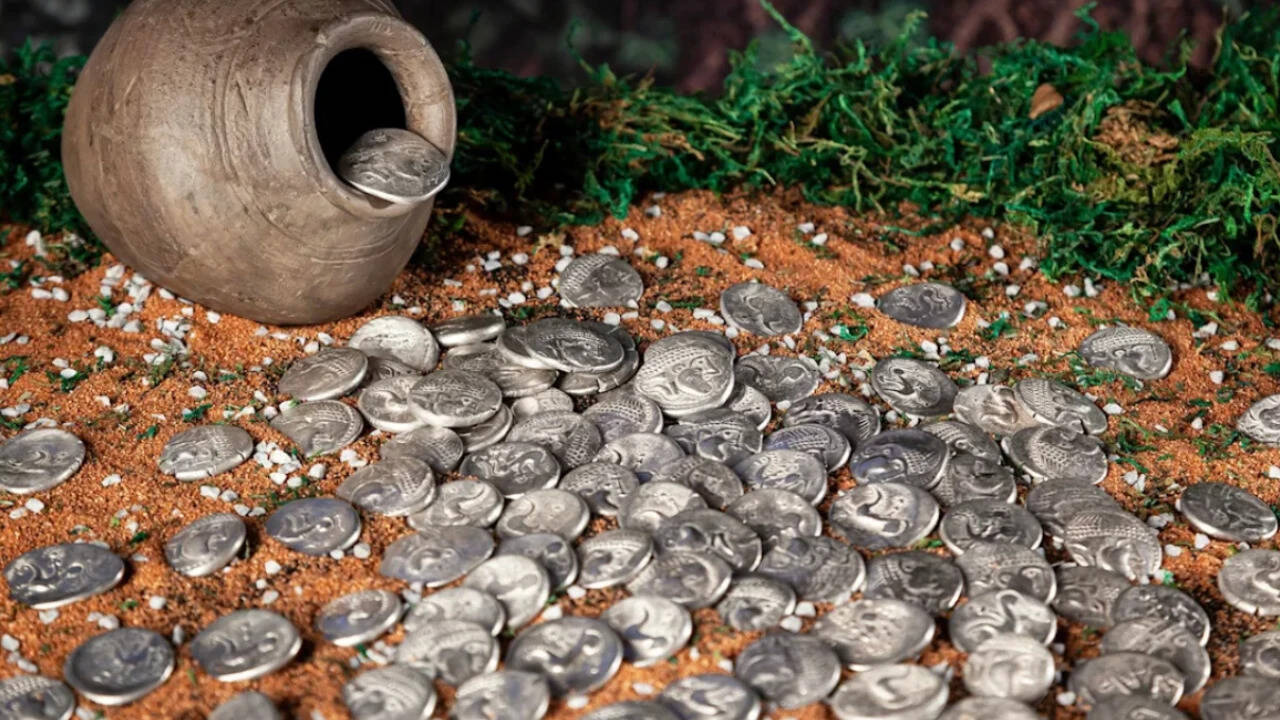
<img border="0" hspace="10" align="left" src="https://timesofindia.indiatimes.com/photo/136195721.cms">Archaeologists exploring Bure in northeastern France uncovered 28 ancient Gallic coins alongside human skull fragments. The site is believed to be a Late Iron Age sanctuary used by the Leuci. In addition to the coins, a miniature bronze wagon wheel was also found, suggesting ritual significance. The discovery contributes to understanding the cultural and religious practices of ancient Gaul. Ongoing studies aim to clarify the site's history and purpose.

TOI Science Desk November 27, 2026
Coastal Topi Numbers Rebound: Raabia Hawa wins Tusk award; ranger teams and communities protect ecosystems

<img border="0" hspace="10" align="left" src="https://timesofindia.indiatimes.com/photo/136177497.cms">Raabia Hawa has been honored with the 2026 Tusk Award for her exceptional dedication to wildlife conservation. As a former radio personality, she pivoted her career to enhance efforts in protecting endangered species in Kenya. Through her founded Ulinzi Africa Foundation, she has championed anti-poaching campaigns, directly aiding in the resurgence of coastal topi populations, and emphasizing the essential role of community engagement in conservation success.

TOI World Desk November 27, 2026
AI Identifies Three Brain Patterns: Stanford study finds 3 child biotypes; patterns may inform targeted care

<img border="0" hspace="10" align="left" src="https://timesofindia.indiatimes.com/photo/136156130.cms">Stanford Medicine researchers identified three distinct brain patterns in children diagnosed with ADHD and anxiety. Their study suggests differences in brain connectivity can predict the development of these conditions. Researchers analyzed data from children aged 9 to 11 in the Adolescent Brain Cognitive Development study. The findings may lead to more tailored treatment approaches for those experiencing attention and emotional difficulties.

TOI World Desk November 26, 2026
Archaeologists digging ahead of an electricity substation found more than 200 Celtic coins

<img border="0" hspace="10" align="left" src="https://timesofindia.indiatimes.com/photo/136157513.cms">In Hungary, the discovery of over 200 Celtic silver coins during excavations for a new electricity substation is creating quite a buzz. These coins, which date back more than 2,000 years, are a remarkable testament to the region's ancient history. Additionally, the site revealed a Roman villa and prehistoric tools, showcasing thousands of years of human activity.

TOI Science Desk November 26, 2026
Joshua Kutryk watches Katherine’s birth from ISS; her name honours his capsule

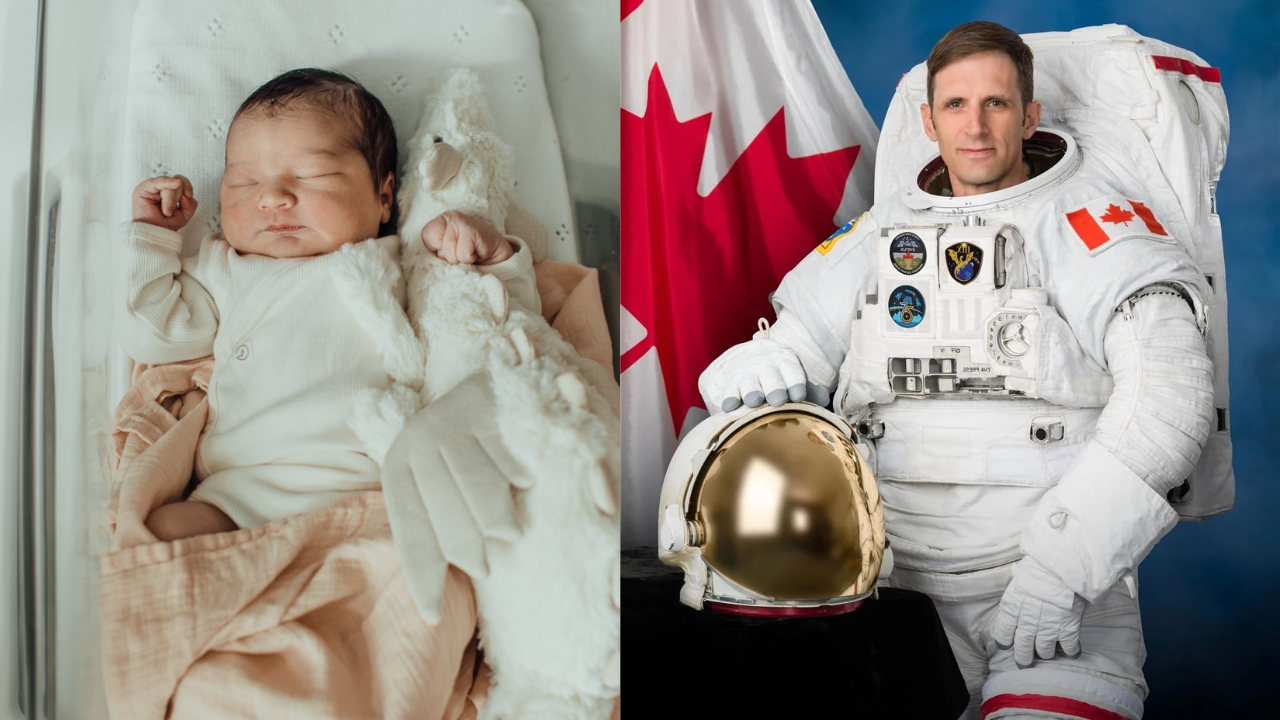
<img border="0" hspace="10" align="left" src="https://timesofindia.indiatimes.com/photo/136191045.cms">Canadian astronaut Joshua Kutryk experienced a unique moment in his life when he witnessed the birth of his daughter, Katherine Grace, from the International Space Station. While his wife Heather welcomed their baby in Houston on November 24, 2026, Kutryk celebrated this milestone with mixed emotions, as he was unable to join them.

TOI Science Desk November 26, 2026
Rare zebra-striped bee spotted in Somerset after saltmarsh restoration

<img border="0" hspace="10" align="left" src="https://timesofindia.indiatimes.com/photo/136183049.cms">

TOI Science Desk November 26, 2026
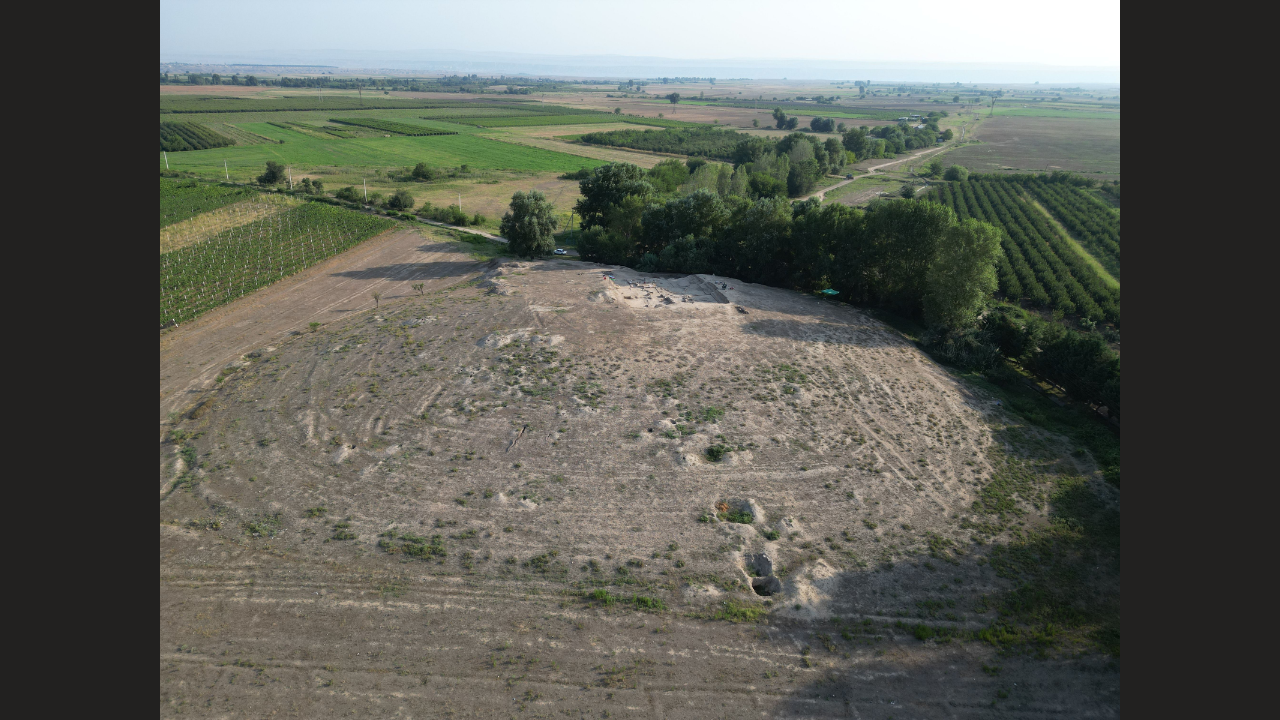
Archaeologists find 10 clay storage bins at ancient Neolithic site in Azerbaijan

<img border="0" hspace="10" align="left" src="https://timesofindia.indiatimes.com/photo/136178058.cms">

TOI World Desk November 26, 2026
Nasa's asteroid crash test left stadium-sized crater; first images reveal

<img border="0" hspace="10" align="left" src="https://timesofindia.indiatimes.com/photo/136176872.cms">Images from the ESA's Hera spacecraft show the aftermath of NASA's successful impact on asteroid Dimorphos. The DART mission altered the asteroid's orbit significantly, demonstrating the potential for planetary defense strategies. Hera's observations offer vital insights into how deflection methods could work in the future. The collision created a crater, providing scientists with important data on the effects of such impacts.

Pranjal Pandey November 26, 2026
Lake Mead Fish Hatchery reopens after 4-year shutdown, resuming fish breeding

<img border="0" hspace="10" align="left" src="https://timesofindia.indiatimes.com/photo/136162952.cms">Lake Mead Fish Hatchery has resumed operations after being non-operational for nearly four years due to drought conditions. The drought caused water levels to drop below the original intake system, halting fish-rearing activities. A new pipeline was developed with federal and regional agency cooperation to restore the hatchery's water supply. This facility is crucial for raising endangered fish species, particularly bonytail and razorback sucker.

TOI Science Desk November 26, 2026
Popular post
Global Stock Markets Mixed Amid Inflation Worries and Earnings Reports

Global stock markets remained mixed today as investors weighed fresh U.S. inflation data, corporate earnings reports, and the ongoing economic uncertainty in China and Europe. The U.S. stock market opened slightly higher on Monday morning, with the Dow Jones Industrial Average rising 0.4%, the S&P 500 climbing 0.3%, and the Nasdaq Composite gaining 0.5% in early trading. Investors responded positively to June's U.S. Consumer Price Index (CPI) report, which showed inflation cooling slightly to an annual rate of 3.0%, down from 3.3% in May."Markets are optimistic that the Federal Reserve may pause or even cut interest rates by the fall," said Lisa Raymond, chief analyst at Morgan & Co. "But it's still a wait-and-see situation, especially with more earnings coming this week."   Wall Street Opens Higher Dow +0.4%, S&P 500 +0.3%, Nasdaq +0.5% on Monday morning. Boosted by June CPI showing inflation cooled to 3.0% (down from 3.3%). Hopes rise for potential Fed rate cut or pause by fall. The U.S. stock market opened slightly higher on Monday morning, with the Dow Jones Industrial Average rising 0.4%, the S&P 500 climbing 0.3%, and the Nasdaq Composite gaining 0.5% in early trading. Investors responded positively to June's U.S. Consumer Price Index (CPI) report, which showed inflation cooling slightly to an annual rate of 3.0%, down from 3.3% in May. "Markets are optimistic that the Federal Reserve may pause or even cut interest rates by the fall," said Lisa Raymond, chief analyst at Morgan & Co. "But it's still a wait-and-see situation, especially with more earnings coming this week."   Tech Leads the Way Technology stocks led the gains in the U.S., with Apple (AAPL) up 1.8% and Nvidia (NVDA) jumping 2.4%, as demand for AI and semiconductors remains strong. Tesla (TSLA) also rebounded, rising 3.1% after announcing better-than-expected Q2 vehicle deliveries. Global stock markets showed a mixed performance as investors weighed persistent inflation concerns against a wave of corporate earnings reports. While strong results from major tech companies helped lift some indexes, uncertainty surrounding central bank policies and the future path of interest rates kept others in check. In the U.S.,   Europe Struggles on Growth Concerns   Meanwhile, European markets showed little movement, with the FTSE 100 in London flat and Germany’s DAX down 0.2%. Investors remain concerned about weak industrial output and rising energy costs across the Eurozone.“The European economy is showing signs of fatigue,” said Carla Dupont, economist at BNP Paribas. “High borrowing costs and geopolitical tensions are dragging down business activity.”Global stock markets showed a mixed performance as investors weighed persistent inflation concerns against a wave of corporate earnings reports. While strong results from major tech companies helped lift some indexes, uncertainty surrounding central bank policies and the future path of interest rates kept others in check. In the U.S., Market Performance Summary Table Region Index/Company Movement (%) Key Driver USA Dow Jones +0.4% Positive CPI report (3.0% inflation)   S&P 500 +0.3% Rate cut optimism   Nasdaq +0.5% Tech stock gains   Apple (AAPL) +1.8% Strong AI demand   Nvidia (NVDA) +2.4% Semiconductor growth   Tesla (TSLA) +3.1% Strong Q2 deliveries Europe FTSE 100 (UK) 0.0% Flat due to economic uncertainty   DAX (Germany) -0.2% Weak industrial output, high energy costs Asia Nikkei 225 (Japan) +0.6% Strong export performance   Shanghai Composite -1.2% Property sector risks, low consumer spending   Asia Mixed as Chinese Markets Slump   In Asia, markets showed mixed results. Japan’s Nikkei 225 gained 0.6%, supported by strong export data. However, Chinese markets fell sharply, with the Shanghai Composite down 1.2%, as fears about the country’s property sector and sluggish consumer spending persisted. Gains in consumer and tech sectors pushed markets higher, but weaker-than-expected bank earnings and inflation-related jitters limited broader momentum. European markets edged lower as traders grew cautious about global trade tensions and slowing growth indicators, while Asian markets saw mixed results, with Hong Kong posting modest gains and Tokyo slipping slightly. Overall, market sentiment remains cautious as investors await further economic data and guidance from central banks.   Looking Ahead   Investors are now turning their focus to key corporate earnings this week from major banks like JPMorgan Chase, Goldman Sachs, and Citigroup, as well as tech giants like Netflix and Microsoft. The results are expected to provide a clearer picture of business resilience amid high interest rates and uncertain global demand. Overall, market sentiment remains cautious as investors await further economic data and guidance from central banks.

Tourism Rebounds Strongly in 2025 as Travelers Seek New Adventures Post-Pandemic

Tourism Rebounds Strongly in 2025 as Travelers Seek New Adventures Post-Pandemic   The global tourism industry has entered a period of remarkable recovery in 2025, following several years of pandemic-related disruption. With the lifting of most travel restrictions, renewed consumer confidence, and a deep craving for exploration, tourism has surged across continents. Experts say this rebound is not merely a return to old patterns, but a reshaping of how people travel, what they value, and how the industry responds.   International Travel Reaches Record Levels   Countries around the world have seen a significant rise in international arrivals. Popular destinations like France, Thailand, Italy, and Mexico are reporting visitor numbers that not only match but exceed pre-pandemic figures. Airports are bustling, cruise ships are sailing at full capacity, and global airlines have reinstated and even expanded routes. This surge is being driven by both leisure and business travelers eager to reconnect with the world.   Tourists Demand Deeper, More Meaningful Experiences   Travelers in 2025 are no longer satisfied with generic sightseeing tours. There is a growing demand for immersive experiences—whether it's living with a local family in a remote village, joining a traditional cooking class, or volunteering in conservation projects. This shift reflects a deeper desire for cultural understanding, personal growth, and making lasting memories, rather than just collecting passport stamps.   Technology Transforms the Travel Experience   Advancements in technology have revolutionized every stage of the travel journey. From AI-powered itinerary planners and mobile boarding passes to biometric check-ins and real-time translation apps, modern travelers are enjoying unprecedented convenience. Virtual reality previews and augmented reality tours are also helping travelers plan smarter and engage more deeply with destinations.   Sustainability Becomes a Core Concern   Post-pandemic travelers are more environmentally conscious than ever before. Eco-tourism has moved from niche to mainstream, with tourists choosing green-certified hotels, carbon offset flights, and low-impact transport options. Many are also seeking out destinations that emphasize environmental protection, wildlife preservation, and sustainable development. Tour operators and governments are responding by investing in responsible travel infrastructure and education.   Flexible Booking and Safety Measures Still Matter   Despite the easing of global health threats, travelers remain cautious. Flexible booking policies, free cancellations, and comprehensive travel insurance are considered essential. Tourists also favor destinations with clear safety protocols and reliable healthcare systems. These preferences are shaping the policies of airlines, hotels, and tour agencies, which now compete not only on price and location but on traveler assurance.   Domestic and Regional Tourism Remains Strong   While international travel has boomed, domestic tourism has also seen steady growth. Many travelers are discovering hidden gems within their own countries—national parks, cultural heritage sites, and lesser-known towns—thanks to local government campaigns and improved transportation networks. Weekend getaways, road trips, and regional cruises are more popular than ever, helping stimulate local economies and reduce pressure on overcrowded hotspots. Travel Trends Are Redefining Industry Standards. From "workcations" that blend business with leisure to solo female travel and multi-generational family trips, the diversity of travel preferences is expanding. Social media continues to influence destination choices, while personalized travel experiences—tailored by data and AI—are raising expectations across the industry. The result is a tourism ecosystem that is more agile, inclusive, and innovative.  

Demographic Shifts in the United States: A Changing Nation Over Time

The United States has long been known as a nation of immigrants and diversity. Over the last century, significant demographic changes have occurred due to immigration patterns, birth rates, cultural shifts, and changing social values. This report outlines how the racial, regional, religious, and national origin composition of the U.S. population has evolved — and where it’s heading.   Table 1: U.S. Population by Race/Ethnicity (1960–2024) Year White (Non-Hispanic) Black Hispanic/Latino Asian Native American Multiracial Other 1960 85% 10.5% 3.5% 0.5% 0.3% — 0.2% 1980 80% 11.5% 6.4% 1.5% 0.6% — 0.3% 2000 69% 12.3% 12.5% 3.6% 0.9% 2.4% 0.3% 2020 59.3% 13.4% 18.5% 5.9% 1.3% 2.8% 0.1% 2024* 57.1% 13.2% 19.1% 6.5% 1.4% 3.1% 0.2%   Over the last six decades, the regional distribution of the U.S. population has undergone a substantial transformation. Economic shifts, climate preferences, and immigration patterns have contributed to the steady rise of the South and West as the primary hubs of growth, while the Northeast and Midwest have seen their shares of the national population gradually decline.   The United States Census Bureau divides the country into four main regions: Northeast, Midwest, South, and West. Over the past several decades, regional population distribution has shifted significantly due to migration trends, job availability, climate preferences, and immigration.   Table 2: Regional Population Distribution (by U.S. Census Regions)   Region 1960 1980 2000 2020 2024 (Est.) Northeast 25% 22% 19% 17% 16.5% Midwest 29% 27% 23% 20% 19.7% South 31% 34% 36% 38% 39.2% West 15% 17% 22% 25% 24.6%   Key Takeaway: The South and West have seen consistent growth due to warmer climates, job markets, and immigration hubs (e.g., Texas, Florida, California).   The religious landscape of the United States has undergone a dramatic transformation over the past 70 years. While the country once identified overwhelmingly as Christian — particularly Protestant — more Americans today are choosing no religious affiliation, a trend that reflects shifting cultural norms, generational change, and growing diversity.   Demography by religion Religion 1950 1980 2000 2020 2024 (Est.) Protestant 69% 56% 51% 40% 39% Catholic 25% 27% 24% 21% 20% Jewish 3% 2.5% 2% 1.8% 1.8% Muslim <0.1% 0.5% 1% 1.3% 1.5% Hindu/Buddhist <0.1% 0.5% 1.5% 2% 2.2% Unaffiliated 2% 7% 15% 27% 29%   Key Shift: The rise of the “nones” (religiously unaffiliated) is among the most dramatic religious shifts in recent history.   Immigration has always been a cornerstone of the American story. But over the past 60 years, the origins of the U.S. foreign-born population have changed dramatically — shifting from a Europe-dominated pattern to one led by Latin America, Asia, and more recently, Africa. These demographic transformations reflect both global trends and U.S. immigration policy reforms.   Summary Insights Racial Diversity Growing Rapidly: Non-Hispanic Whites are no longer a supermajority. By 2045, the U.S. is projected to be “minority-majority.” Regional Power Shift: The South and West are economic and population growth engines. Religious Landscape is Secularizing: Protestants and Catholics are declining; the religiously unaffiliated are growing fastest. Immigration Patterns Have Shifted: From European-dominated to Latin American and Asian-majority since 1965’s Immigration and Nationality Act.

Supreme Court Ruling on Presidential Immunity Sparks Nationwide Debate

The U.S. Supreme Court issued a landmark ruling on Monday, declaring that former presidents are entitled to partial immunity from criminal prosecution for actions taken while in office. The 6-3 decision, split along ideological lines, has triggered intense political and legal debate across the country.The ruling stems from charges brought against former President Donald Trump, who has faced multiple indictments related to alleged interference in the 2020 presidential election and events surrounding the January 6 Capitol riot. The Court’s decision now makes it more difficult for prosecutors to pursue charges for actions deemed as part of a president's official duties.     Divided Reactions   President Joe Biden responded to the ruling by calling it a “dangerous precedent” that could place future presidents above the law. “No one in America should be beyond accountability,” he said during a press conference.Republican leaders, however, welcomed the decision. House Speaker Steve Scalise stated, “This ruling upholds the constitutional separation of powers and protects the office of the presidency from political attacks.”The recent Supreme Court ruling on presidential immunity has ignited intense debate across the United States, with sharp divisions emerging among legal experts, lawmakers, and the public. The decision, which sets new boundaries on the legal protections afforded to sitting presidents, has far-reaching implications for the balance of power and accountability in government. Supporters argue that the ruling upholds the integrity of the executive office by protecting it from politically motivated prosecutions, while critics warn that it could open the door to unchecked presidential authority.   What the Ruling Means   The Court ruled that while presidents do not have absolute immunity, they are shielded from criminal prosecution for actions that are “within the outer perimeter of official presidential responsibilities.” However, personal or unofficial actions remain subject to prosecution.Legal experts say the ruling could delay several of Trump’s ongoing legal cases, potentially impacting the 2024 election season, where Trump remains the leading Republican contender. As protests, press conferences, and panel discussions erupt nationwide, the ruling is expected to influence upcoming elections and reshape the legal landscape surrounding executive power for years to come.   Public Response   The recent Supreme Court ruling on presidential immunity has ignited intense debate across the United States, with sharp divisions emerging among legal experts, lawmakers, and the public. The decision, which sets new boundaries on the legal protections afforded to sitting presidents, has far-reaching implications for the balance of power and accountability in government. Supporters argue that the ruling upholds the integrity of the executive office by protecting it from politically motivated prosecutions, while critics warn that it could open the door to unchecked presidential authority. As protests, press conferences, and panel discussions erupt nationwide, the ruling is expected to influence upcoming elections and reshape the legal landscape surrounding executive power for years to come.

Russia, Ukraine each free first 390 prisoners in start of war's biggest swap

Historic Exchange Under Istanbul Agreement In the largest prisoner swap since the full-scale war began, Russia and Ukraine have each released 390 prisoners—comprising 270 military personnel and 120 civilians—as part of an overall 1,000-for-1,000 agreement negotiated during direct talks in Istanbul earlier in May. BBC+4www.ndtv.com+4Deutsche Welle+4Anadolu Ajansı+15Reuters+   Departures and Arrivals Ukrainian returnees arrived in the Chernihiv region, many visibly frail with shaved heads and draped in national flags, greeted by emotional reunions with relatives amid cheers and tears. Reuters+4 The Washington +4 The Daily Star +4. Some had been held in captivity for nearly two years. Russian returnees, including soldiers and civilians captured during a Ukrainian incursion into Kursk region, were first transported to Belarus for medical and psychological evaluation before being repatriated ussia.  BBC+3Reuters+3 The Guardian +3.   Emotional Homecomings and Lingering Uncertainty Families crowded the exchange sites, clutching photographs of missing loved ones, hoping for a clue from those stepping off the buses. One Ukrainian newly freed veteran, held for more than 830 days, encouraged others not to lose hope: “In every prison there are many guys who had no contact with their relatives. I was the same,” he said The Guardian+10The Washington Post+10The Guardian+10. But for many, the reunion came with heavy uncertainty about family members still unaccounted for.     Political Messages and Future Prospects President Volodymyr Zelenskyy hailed the swap as the only tangible outcome of the Istanbul talks and emphasized continued efforts to bring all detainees home. Hromadske The Washington PostThe Guardian. Russian Foreign Minister Sergey Lavrov promised that Moscow would submit a draft peace proposal following the exchange but reiterated refusal of a ceasefire unless certain conditions were met—terms Ukraine has rejected, according to Reuters The Guardian. Former U.S. President Donald Trump, who helped push for the Istanbul negotiations, congratulated both parties via his social media platform, calling the swap a possible step toward broader peace, though no ceasefire has been agreed upon, according to Reuters and the New York Post.   Humanitarian Milestone Amid Ongoing Conflict This first phase swap underscores a rare moment of cooperation in a conflict that has otherwise deepened across Ukraine’s eastern and southern regions. While a few hundred lives have been restored to families, thousands remain in captivity, and both sides show no signs of halting hostilities. Negotiations may continue in coming days as both governments prepare for the next instalment of releases under the "1,000-for-1,000" agreement. For now, the tranche of 390 each represents the largest exchange of its kind since the war began.

Voting poll

Are you ok?