

July 26, 2025
A federal judge issued an injunction against the Trump administration’s
July 26, 2025
French President Macron signaled intent to formally recognize Palestine
July 14, 2025
May 19, 2025
The bold move to a flexible exchange rate regime
Opinion
Tourism Rebounds Strongly in 2025 as Travelers Seek New Adventures Post-Pandemic The global tourism industry has entered a period of remarkable recovery in 2025, following several years of pandemic-related disruption. With the lifting of most travel restrictions, renewed consumer confidence, and a deep craving for exploration, tourism has surged across continents. Experts say this rebound is not merely a return to old patterns, but a reshaping of how people travel, what they value, and how the industry responds. International Travel Reaches Record Levels Countries around the world have seen a significant rise in international arrivals. Popular destinations like France, Thailand, Italy, and Mexico are reporting visitor numbers that not only match but exceed pre-pandemic figures. Airports are bustling, cruise ships are sailing at full capacity, and global airlines have reinstated and even expanded routes. This surge is being driven by both leisure and business travelers eager to reconnect with the world. Tourists Demand Deeper, More Meaningful Experiences Travelers in 2025 are no longer satisfied with generic sightseeing tours. There is a growing demand for immersive experiences—whether it's living with a local family in a remote village, joining a traditional cooking class, or volunteering in conservation projects. This shift reflects a deeper desire for cultural understanding, personal growth, and making lasting memories, rather than just collecting passport stamps. Technology Transforms the Travel Experience Advancements in technology have revolutionized every stage of the travel journey. From AI-powered itinerary planners and mobile boarding passes to biometric check-ins and real-time translation apps, modern travelers are enjoying unprecedented convenience. Virtual reality previews and augmented reality tours are also helping travelers plan smarter and engage more deeply with destinations. Sustainability Becomes a Core Concern Post-pandemic travelers are more environmentally conscious than ever before. Eco-tourism has moved from niche to mainstream, with tourists choosing green-certified hotels, carbon offset flights, and low-impact transport options. Many are also seeking out destinations that emphasize environmental protection, wildlife preservation, and sustainable development. Tour operators and governments are responding by investing in responsible travel infrastructure and education. Flexible Booking and Safety Measures Still Matter Despite the easing of global health threats, travelers remain cautious. Flexible booking policies, free cancellations, and comprehensive travel insurance are considered essential. Tourists also favor destinations with clear safety protocols and reliable healthcare systems. These preferences are shaping the policies of airlines, hotels, and tour agencies, which now compete not only on price and location but on traveler assurance. Domestic and Regional Tourism Remains Strong While international travel has boomed, domestic tourism has also seen steady growth. Many travelers are discovering hidden gems within their own countries—national parks, cultural heritage sites, and lesser-known towns—thanks to local government campaigns and improved transportation networks. Weekend getaways, road trips, and regional cruises are more popular than ever, helping stimulate local economies and reduce pressure on overcrowded hotspots. Travel Trends Are Redefining Industry Standards. From "workcations" that blend business with leisure to solo female travel and multi-generational family trips, the diversity of travel preferences is expanding. Social media continues to influence destination choices, while personalized travel experiences—tailored by data and AI—are raising expectations across the industry. The result is a tourism ecosystem that is more agile, inclusive, and innovative.
Global stock markets remained mixed today as investors weighed fresh U.S. inflation data, corporate earnings reports, and the ongoing economic uncertainty in China and Europe. The U.S. stock market opened slightly higher on Monday morning, with the Dow Jones Industrial Average rising 0.4%, the S&P 500 climbing 0.3%, and the Nasdaq Composite gaining 0.5% in early trading. Investors responded positively to June's U.S. Consumer Price Index (CPI) report, which showed inflation cooling slightly to an annual rate of 3.0%, down from 3.3% in May."Markets are optimistic that the Federal Reserve may pause or even cut interest rates by the fall," said Lisa Raymond, chief analyst at Morgan & Co. "But it's still a wait-and-see situation, especially with more earnings coming this week." Wall Street Opens Higher Dow +0.4%, S&P 500 +0.3%, Nasdaq +0.5% on Monday morning. Boosted by June CPI showing inflation cooled to 3.0% (down from 3.3%). Hopes rise for potential Fed rate cut or pause by fall. The U.S. stock market opened slightly higher on Monday morning, with the Dow Jones Industrial Average rising 0.4%, the S&P 500 climbing 0.3%, and the Nasdaq Composite gaining 0.5% in early trading. Investors responded positively to June's U.S. Consumer Price Index (CPI) report, which showed inflation cooling slightly to an annual rate of 3.0%, down from 3.3% in May. "Markets are optimistic that the Federal Reserve may pause or even cut interest rates by the fall," said Lisa Raymond, chief analyst at Morgan & Co. "But it's still a wait-and-see situation, especially with more earnings coming this week." Tech Leads the Way Technology stocks led the gains in the U.S., with Apple (AAPL) up 1.8% and Nvidia (NVDA) jumping 2.4%, as demand for AI and semiconductors remains strong. Tesla (TSLA) also rebounded, rising 3.1% after announcing better-than-expected Q2 vehicle deliveries. Global stock markets showed a mixed performance as investors weighed persistent inflation concerns against a wave of corporate earnings reports. While strong results from major tech companies helped lift some indexes, uncertainty surrounding central bank policies and the future path of interest rates kept others in check. In the U.S., Europe Struggles on Growth Concerns Meanwhile, European markets showed little movement, with the FTSE 100 in London flat and Germany’s DAX down 0.2%. Investors remain concerned about weak industrial output and rising energy costs across the Eurozone.“The European economy is showing signs of fatigue,” said Carla Dupont, economist at BNP Paribas. “High borrowing costs and geopolitical tensions are dragging down business activity.”Global stock markets showed a mixed performance as investors weighed persistent inflation concerns against a wave of corporate earnings reports. While strong results from major tech companies helped lift some indexes, uncertainty surrounding central bank policies and the future path of interest rates kept others in check. In the U.S., Market Performance Summary Table Region Index/Company Movement (%) Key Driver USA Dow Jones +0.4% Positive CPI report (3.0% inflation) S&P 500 +0.3% Rate cut optimism Nasdaq +0.5% Tech stock gains Apple (AAPL) +1.8% Strong AI demand Nvidia (NVDA) +2.4% Semiconductor growth Tesla (TSLA) +3.1% Strong Q2 deliveries Europe FTSE 100 (UK) 0.0% Flat due to economic uncertainty DAX (Germany) -0.2% Weak industrial output, high energy costs Asia Nikkei 225 (Japan) +0.6% Strong export performance Shanghai Composite -1.2% Property sector risks, low consumer spending Asia Mixed as Chinese Markets Slump In Asia, markets showed mixed results. Japan’s Nikkei 225 gained 0.6%, supported by strong export data. However, Chinese markets fell sharply, with the Shanghai Composite down 1.2%, as fears about the country’s property sector and sluggish consumer spending persisted. Gains in consumer and tech sectors pushed markets higher, but weaker-than-expected bank earnings and inflation-related jitters limited broader momentum. European markets edged lower as traders grew cautious about global trade tensions and slowing growth indicators, while Asian markets saw mixed results, with Hong Kong posting modest gains and Tokyo slipping slightly. Overall, market sentiment remains cautious as investors await further economic data and guidance from central banks. Looking Ahead Investors are now turning their focus to key corporate earnings this week from major banks like JPMorgan Chase, Goldman Sachs, and Citigroup, as well as tech giants like Netflix and Microsoft. The results are expected to provide a clearer picture of business resilience amid high interest rates and uncertain global demand. Overall, market sentiment remains cautious as investors await further economic data and guidance from central banks.
In an increasingly visual world, photography has evolved far beyond a hobby—it has become a powerful tool of connection, identity, and even resistance. From the alleyways of Marrakech to the streets of Tokyo, people around the globe are using photography to capture their realities, share their truths, and reimagine how we see the world. In 2025, the art of photography is no longer limited to professionals or those with expensive equipment. With powerful cameras embedded in nearly every smartphone and editing apps accessible to all, the global population has become a generation of storytellers. A New Language of Expression Photography has become the most universal visual language—transcending borders, politics, and even spoken words. A single image can spark movements, ignite conversations, and bring attention to marginalised voices. From the war-torn zones of Gaza and Ukraine to peaceful protests in Europe and climate marches in South America, everyday citizens are documenting history in real time. These raw, unfiltered images often make their way to global audiences faster than traditional news media. "The smartphone is the new pen," says French photojournalist Camille Laurent. "People don’t just take photos—they share their worldviews." The Rise of Visual Identity In cities like New York, Seoul, and Berlin, photography has become deeply intertwined with personal branding. On platforms like Instagram and Threads, visuals are the currency of influence. Whether it’s fashion, travel, activism, or mental health, photography is the lens through which individuals craft and project their identity. This has also sparked a global aesthetic—where minimalist cafes in Istanbul resemble those in Paris, and sunlit "golden hour" selfies are universal. Yet within this visual sameness, cultural uniqueness is also being celebrated. Photographers are reclaiming their heritage—using traditional attire, rural landscapes, and local rituals to tell stories that challenge stereotypes and global homogenisation. AI, Ethics & The Future As artificial intelligence blends with photography, questions of ethics and authenticity are surfacing. AI-generated portraits and edited realities raise concerns about truth, body image, and media manipulation. Yet, at the same time, AI tools are empowering more people to create stunning visuals without formal training—democratising creativity in ways never imagined. "We're entering an era where the line between photography and digital art is blurring," notes Japanese visual artist Rei Nakamura. "But the emotion behind the image still matters most." A Global Bond In refugee camps in Jordan, schoolchildren are given disposable cameras to capture their lives. In Scandinavian forests, nature photographers use drones to document wildlife. On African coastlines, photographers are preserving indigenous stories that were never written down. Despite the diversity of context, one thing is clear: photography connects humanity. It offers empathy. It builds bridges. In the words of American photographer Dorothea Lange, "Photography takes an instant out of time, altering life by holding it still." And today, more than ever, the world is watching—frame by frame.
In a time when digital transformation is reshaping every corner of the globe, one of the most remarkable changes is happening quietly in rural areas of countries like Bangladesh, India, Nepal, and Pakistan — where YouTube is revolutionizing education. With limited access to quality teachers, outdated textbooks, and overcrowded classrooms, students in rural communities are increasingly turning to YouTube learning channels to supplement or even replace traditional schooling. Thanks to the rise of affordable smartphones and expanding 4G networks, even in remote villages, platforms like YouTube have become virtual classrooms. Students can now watch free, high-quality educational content from renowned platforms such as Khan Academy, Ten Minute School, Unacademy, BYJU’S, and Exam Preparation BD. These channels offer lessons in mathematics, science, language learning, general knowledge, and test preparation — all delivered in engaging formats and often in regional languages like Bangla, Hindi, or Tamil. This accessibility has democratized learning, removing barriers of geography, cost, and availability of trained educators. Key Statistics: 68% of rural students in Bangladesh with access to smartphones report using YouTube for educational purposes (Digital Inclusion Survey, 2024). Ten Minute School boasts over 3 million subscribers and provides over 10,000 free video lectures aligned with Bangladesh’s national curriculum. In India, Unacademy and BYJU’S serve over 50 million students, with significant growth in rural user bases. For students like Mim Akter, a ninth grader from rural Khulna, this shift is life-changing: “Our school lacks science teachers. Now I watch chemistry classes on YouTube in the evenings. I never thought I’d understand atoms and molecules this way.” Similarly, in places where power cuts and poor infrastructure often halt schooling, students can download lessons offline, watch at their own pace, and replay concepts until fully understood. YouTube allows asynchronous learning, letting students learn when and how they want — something especially important for girls and working youth who cannot attend school full-time. YouTube learning channels are also addressing practical skill-building. Rural youth are learning computer literacy, graphic design, agricultural tips, tailoring, and even small business skills. Channels like Krishi Sheba BD help farmers with crop rotation, organic pesticide methods, and seasonal crop planning, while others teach computer skills and mobile repair — skills that directly improve livelihoods. Popular Learning Topics in Rural Areas via YouTube: SSC & HSC Exam Preparation Basic English Speaking and Writing Science Experiments and Visual Learning Government Job Test Prep (BCS, Bank, Railway) Computer Basics and Freelancing Skills Agricultural Training and Farming Methods But this progress doesn’t come without concerns. Experts warn of digital fatigue, misinformation, and distraction. Not all content is credible, and rural learners — often new to the internet — may fall prey to low-quality or misleading videos. To counter this, digital literacy training and school-supported content curation are becoming essential. Schools and NGOs are beginning to integrate curated YouTube playlists into classroom routines to ensure content relevance and safety. Policy experts and educators are now calling for formal integration of digital tools into rural education policies. Many suggest partnerships between national education boards and popular learning channels to certify content, track learning progress, and provide internet subsidies to disadvantaged students. Despite these challenges, YouTube has become an equalizer — a bridge over the urban-rural education divide. It has opened up new paths for self-learners, dropouts, and underserved youth, empowering them to dream beyond their limitations. In regions where education once seemed like a privilege, YouTube is now the teacher, the classroom, and the library — all rolled into one.
A dramatic wave of realignment is sweeping across collegiate athletics, as major programs abandon long-standing conferences in search of lucrative media deals and expanded playoff opportunities. The Big Ten, SEC, and Big 12 have absorbed schools from coast to coast, leaving once-stable institutions like the Pac-12 fractured. These moves are dissolving historic rivalries and reshaping the identity of college sports, sparking backlash from fans and alumni who lament the loss of tradition for the sake of revenue. Athlete Compensation Enters Legal Crosshairs The fight over athlete compensation has reached new legal heights. Ongoing lawsuits and federal reviews are challenging the NCAA’s amateurism model, with growing momentum behind classifying student-athletes as employees. Courts are also examining whether colleges owe athletes additional protections under labor law. The decisions expected in the coming months could open the door for direct salaries, unionization, and broader benefits, potentially redefining the student-athlete experience. Nzme, Image, and Likeness (NIL) Continues to Evolve The NIL era is maturing rapidly, with student-athletes now securing multi-million-dollar endorsement deals and building personal brands through social media and sponsorships. However, the lack of federal regulation has led to inconsistencies across states and programs, creating confusion and competitive imbalance. Schools are scrambling to develop compliance frameworks, while Congress considers national legislation to bring uniformity to NIL rights and prevent further chaos in collegiate recruiting. Governance Reform Sparks Power Struggles As the NCAA faces mounting criticism over its authority and effectiveness, calls for governance reform are intensifying. Some schools and conferences are pushing for a breakaway model that would grant elite programs more autonomy. Others advocate for a decentralized system with regional control and athlete representation. The ongoing debates reflect deeper tensions about who controls college sports—and whether the current system can survive the era of big business and player empowerment. The Future: Toward a Professionalized College Sports Model? These combined shifts are pointing college sports toward a more professionalized future. As legal, financial, and structural pressures build, the once-clear line between amateur and professional athletics continues to blur. Whether through collective bargaining, conference-led governance, or direct payment, the landscape is evolving at a historic pace. What was once student-centered competition is now a billion-dollar industry confronting its identity—and rewriting its rules in real time.
In a moment steeped in franchise heritage, the Washington Commanders announced they will be retiring Hall‑of‑Famer Art Monk’s No. 81 jersey during their Week 9 home game against the Seattle Seahawks. The ceremony will feature "Super Bowl Era" alternate uniforms, a tribute befitting the receiver whose 940 catches and nearly 13,000 receiving yards remain Washington’s all‑time record. As the franchise honours its past, a tense negotiation unfolds in the present. Terry McLaurin, entering the final season of his six‑year, $68 million contract, has publicly voiced frustration over delays in extension talks. With five straight 1,000‑yard seasons behind him, McLaurin insists on compensation befitting an elite NFL receiver. His vocal discontent has sparked concerns among fans and analysts—many urging the front office to resolve the matter before training camp to avoid derailment during the 2025 season. Adding further intrigue, linebacker Frankie Luvu earned recognition as the No. 5 off‑ball linebacker in ESPN's 2025 rankings thanks to an outstanding 2024 campaign featuring eight sacks, 12 tackles for loss, and second‑team All‑Pro honours. Hogs Haven His rise signals that while the Commanders honour legends, new standout performances are reshaping the team’s identity. Legal and competitive landscapes also simmer as the Mountain West and Pac‑12 conferences prepare for litigation over unresolved legal disputes, possibly reshaping college athletics governance. Meanwhile, the "Moneyball" model is making waves—Texas Tech and others are strategically investing to level the playing field, exploring salary caps and compensation structuring, including tactics like backloading deals to stay competitive. The Times of India Hogs Haven The Falcoholic Mountain West Connection Into this evolving narrative, college football continues to produce standout professionals—players like Murf Gray, Jack Anker, and Aidan Cremarosa were recently drafted in the 2025 MLB Draft, underscoring the conference’s rising talent pipeline. Mountain West Connection This convergence of legacy celebration, player valuation, emerging defensive stars, and institutional transformation epitomises a franchise and sport in transition. The Commanders face critical decisions—balancing reverence for legends like Monk with the urgency of retaining top talent like McLaurin and building a competitive roster around rising standouts like Luvu. As training camps loom, how these storylines unfold—contract resolution, offensive versus defensive leadership, legal disputes in collegiate sport, and institutional competitiveness—will shape the trajectory not only of the Commanders organisation but also the broader narrative of American football in 2025.
In an increasingly visual world, photography has evolved far beyond a hobby—it has become a powerful tool of connection, identity, and even resistance. From the alleyways of Marrakech to the streets of Tokyo, people around the globe are using photography to capture their realities, share their truths, and reimagine how we see the world. In 2025, the art of photography is no longer limited to professionals or those with expensive equipment. With powerful cameras embedded in nearly every smartphone and editing apps accessible to all, the global population has become a generation of storytellers. A New Language of Expression Photography has become the most universal visual language—transcending borders, politics, and even spoken words. A single image can spark movements, ignite conversations, and bring attention to marginalised voices. From the war-torn zones of Gaza and Ukraine to peaceful protests in Europe and climate marches in South America, everyday citizens are documenting history in real time. These raw, unfiltered images often make their way to global audiences faster than traditional news media. "The smartphone is the new pen," says French photojournalist Camille Laurent. "People don’t just take photos—they share their worldviews." The Rise of Visual Identity In cities like New York, Seoul, and Berlin, photography has become deeply intertwined with personal branding. On platforms like Instagram and Threads, visuals are the currency of influence. Whether it’s fashion, travel, activism, or mental health, photography is the lens through which individuals craft and project their identity. This has also sparked a global aesthetic—where minimalist cafes in Istanbul resemble those in Paris, and sunlit "golden hour" selfies are universal. Yet within this visual sameness, cultural uniqueness is also being celebrated. Photographers are reclaiming their heritage—using traditional attire, rural landscapes, and local rituals to tell stories that challenge stereotypes and global homogenisation. AI, Ethics & The Future As artificial intelligence blends with photography, questions of ethics and authenticity are surfacing. AI-generated portraits and edited realities raise concerns about truth, body image, and media manipulation. Yet, at the same time, AI tools are empowering more people to create stunning visuals without formal training—democratising creativity in ways never imagined. "We're entering an era where the line between photography and digital art is blurring," notes Japanese visual artist Rei Nakamura. "But the emotion behind the image still matters most." A Global Bond In refugee camps in Jordan, schoolchildren are given disposable cameras to capture their lives. In Scandinavian forests, nature photographers use drones to document wildlife. On African coastlines, photographers are preserving indigenous stories that were never written down. Despite the diversity of context, one thing is clear: photography connects humanity. It offers empathy. It builds bridges. In the words of American photographer Dorothea Lange, "Photography takes an instant out of time, altering life by holding it still." And today, more than ever, the world is watching—frame by frame.
The United States has long been known as a nation of immigrants and diversity. Over the last century, significant demographic changes have occurred due to immigration patterns, birth rates, cultural shifts, and changing social values. This report outlines how the racial, regional, religious, and national origin composition of the U.S. population has evolved — and where it’s heading. Table 1: U.S. Population by Race/Ethnicity (1960–2024) Year White (Non-Hispanic) Black Hispanic/Latino Asian Native American Multiracial Other 1960 85% 10.5% 3.5% 0.5% 0.3% — 0.2% 1980 80% 11.5% 6.4% 1.5% 0.6% — 0.3% 2000 69% 12.3% 12.5% 3.6% 0.9% 2.4% 0.3% 2020 59.3% 13.4% 18.5% 5.9% 1.3% 2.8% 0.1% 2024* 57.1% 13.2% 19.1% 6.5% 1.4% 3.1% 0.2% Over the last six decades, the regional distribution of the U.S. population has undergone a substantial transformation. Economic shifts, climate preferences, and immigration patterns have contributed to the steady rise of the South and West as the primary hubs of growth, while the Northeast and Midwest have seen their shares of the national population gradually decline. The United States Census Bureau divides the country into four main regions: Northeast, Midwest, South, and West. Over the past several decades, regional population distribution has shifted significantly due to migration trends, job availability, climate preferences, and immigration. Table 2: Regional Population Distribution (by U.S. Census Regions) Region 1960 1980 2000 2020 2024 (Est.) Northeast 25% 22% 19% 17% 16.5% Midwest 29% 27% 23% 20% 19.7% South 31% 34% 36% 38% 39.2% West 15% 17% 22% 25% 24.6% Key Takeaway: The South and West have seen consistent growth due to warmer climates, job markets, and immigration hubs (e.g., Texas, Florida, California). The religious landscape of the United States has undergone a dramatic transformation over the past 70 years. While the country once identified overwhelmingly as Christian — particularly Protestant — more Americans today are choosing no religious affiliation, a trend that reflects shifting cultural norms, generational change, and growing diversity. Demography by religion Religion 1950 1980 2000 2020 2024 (Est.) Protestant 69% 56% 51% 40% 39% Catholic 25% 27% 24% 21% 20% Jewish 3% 2.5% 2% 1.8% 1.8% Muslim <0.1% 0.5% 1% 1.3% 1.5% Hindu/Buddhist <0.1% 0.5% 1.5% 2% 2.2% Unaffiliated 2% 7% 15% 27% 29% Key Shift: The rise of the “nones” (religiously unaffiliated) is among the most dramatic religious shifts in recent history. Immigration has always been a cornerstone of the American story. But over the past 60 years, the origins of the U.S. foreign-born population have changed dramatically — shifting from a Europe-dominated pattern to one led by Latin America, Asia, and more recently, Africa. These demographic transformations reflect both global trends and U.S. immigration policy reforms. Summary Insights Racial Diversity Growing Rapidly: Non-Hispanic Whites are no longer a supermajority. By 2045, the U.S. is projected to be “minority-majority.” Regional Power Shift: The South and West are economic and population growth engines. Religious Landscape is Secularizing: Protestants and Catholics are declining; the religiously unaffiliated are growing fastest. Immigration Patterns Have Shifted: From European-dominated to Latin American and Asian-majority since 1965’s Immigration and Nationality Act.
Global stock markets remained mixed today as investors weighed fresh U.S. inflation data, corporate earnings reports, and the ongoing economic uncertainty in China and Europe. The U.S. stock market opened slightly higher on Monday morning, with the Dow Jones Industrial Average rising 0.4%, the S&P 500 climbing 0.3%, and the Nasdaq Composite gaining 0.5% in early trading. Investors responded positively to June's U.S. Consumer Price Index (CPI) report, which showed inflation cooling slightly to an annual rate of 3.0%, down from 3.3% in May."Markets are optimistic that the Federal Reserve may pause or even cut interest rates by the fall," said Lisa Raymond, chief analyst at Morgan & Co. "But it's still a wait-and-see situation, especially with more earnings coming this week." Wall Street Opens Higher Dow +0.4%, S&P 500 +0.3%, Nasdaq +0.5% on Monday morning. Boosted by June CPI showing inflation cooled to 3.0% (down from 3.3%). Hopes rise for potential Fed rate cut or pause by fall. The U.S. stock market opened slightly higher on Monday morning, with the Dow Jones Industrial Average rising 0.4%, the S&P 500 climbing 0.3%, and the Nasdaq Composite gaining 0.5% in early trading. Investors responded positively to June's U.S. Consumer Price Index (CPI) report, which showed inflation cooling slightly to an annual rate of 3.0%, down from 3.3% in May. "Markets are optimistic that the Federal Reserve may pause or even cut interest rates by the fall," said Lisa Raymond, chief analyst at Morgan & Co. "But it's still a wait-and-see situation, especially with more earnings coming this week." Tech Leads the Way Technology stocks led the gains in the U.S., with Apple (AAPL) up 1.8% and Nvidia (NVDA) jumping 2.4%, as demand for AI and semiconductors remains strong. Tesla (TSLA) also rebounded, rising 3.1% after announcing better-than-expected Q2 vehicle deliveries. Global stock markets showed a mixed performance as investors weighed persistent inflation concerns against a wave of corporate earnings reports. While strong results from major tech companies helped lift some indexes, uncertainty surrounding central bank policies and the future path of interest rates kept others in check. In the U.S., Europe Struggles on Growth Concerns Meanwhile, European markets showed little movement, with the FTSE 100 in London flat and Germany’s DAX down 0.2%. Investors remain concerned about weak industrial output and rising energy costs across the Eurozone.“The European economy is showing signs of fatigue,” said Carla Dupont, economist at BNP Paribas. “High borrowing costs and geopolitical tensions are dragging down business activity.”Global stock markets showed a mixed performance as investors weighed persistent inflation concerns against a wave of corporate earnings reports. While strong results from major tech companies helped lift some indexes, uncertainty surrounding central bank policies and the future path of interest rates kept others in check. In the U.S., Market Performance Summary Table Region Index/Company Movement (%) Key Driver USA Dow Jones +0.4% Positive CPI report (3.0% inflation) S&P 500 +0.3% Rate cut optimism Nasdaq +0.5% Tech stock gains Apple (AAPL) +1.8% Strong AI demand Nvidia (NVDA) +2.4% Semiconductor growth Tesla (TSLA) +3.1% Strong Q2 deliveries Europe FTSE 100 (UK) 0.0% Flat due to economic uncertainty DAX (Germany) -0.2% Weak industrial output, high energy costs Asia Nikkei 225 (Japan) +0.6% Strong export performance Shanghai Composite -1.2% Property sector risks, low consumer spending Asia Mixed as Chinese Markets Slump In Asia, markets showed mixed results. Japan’s Nikkei 225 gained 0.6%, supported by strong export data. However, Chinese markets fell sharply, with the Shanghai Composite down 1.2%, as fears about the country’s property sector and sluggish consumer spending persisted. Gains in consumer and tech sectors pushed markets higher, but weaker-than-expected bank earnings and inflation-related jitters limited broader momentum. European markets edged lower as traders grew cautious about global trade tensions and slowing growth indicators, while Asian markets saw mixed results, with Hong Kong posting modest gains and Tokyo slipping slightly. Overall, market sentiment remains cautious as investors await further economic data and guidance from central banks. Looking Ahead Investors are now turning their focus to key corporate earnings this week from major banks like JPMorgan Chase, Goldman Sachs, and Citigroup, as well as tech giants like Netflix and Microsoft. The results are expected to provide a clearer picture of business resilience amid high interest rates and uncertain global demand. Overall, market sentiment remains cautious as investors await further economic data and guidance from central banks.
Tourism Rebounds Strongly in 2025 as Travelers Seek New Adventures Post-Pandemic The global tourism industry has entered a period of remarkable recovery in 2025, following several years of pandemic-related disruption. With the lifting of most travel restrictions, renewed consumer confidence, and a deep craving for exploration, tourism has surged across continents. Experts say this rebound is not merely a return to old patterns, but a reshaping of how people travel, what they value, and how the industry responds. International Travel Reaches Record Levels Countries around the world have seen a significant rise in international arrivals. Popular destinations like France, Thailand, Italy, and Mexico are reporting visitor numbers that not only match but exceed pre-pandemic figures. Airports are bustling, cruise ships are sailing at full capacity, and global airlines have reinstated and even expanded routes. This surge is being driven by both leisure and business travelers eager to reconnect with the world. Tourists Demand Deeper, More Meaningful Experiences Travelers in 2025 are no longer satisfied with generic sightseeing tours. There is a growing demand for immersive experiences—whether it's living with a local family in a remote village, joining a traditional cooking class, or volunteering in conservation projects. This shift reflects a deeper desire for cultural understanding, personal growth, and making lasting memories, rather than just collecting passport stamps. Technology Transforms the Travel Experience Advancements in technology have revolutionized every stage of the travel journey. From AI-powered itinerary planners and mobile boarding passes to biometric check-ins and real-time translation apps, modern travelers are enjoying unprecedented convenience. Virtual reality previews and augmented reality tours are also helping travelers plan smarter and engage more deeply with destinations. Sustainability Becomes a Core Concern Post-pandemic travelers are more environmentally conscious than ever before. Eco-tourism has moved from niche to mainstream, with tourists choosing green-certified hotels, carbon offset flights, and low-impact transport options. Many are also seeking out destinations that emphasize environmental protection, wildlife preservation, and sustainable development. Tour operators and governments are responding by investing in responsible travel infrastructure and education. Flexible Booking and Safety Measures Still Matter Despite the easing of global health threats, travelers remain cautious. Flexible booking policies, free cancellations, and comprehensive travel insurance are considered essential. Tourists also favor destinations with clear safety protocols and reliable healthcare systems. These preferences are shaping the policies of airlines, hotels, and tour agencies, which now compete not only on price and location but on traveler assurance. Domestic and Regional Tourism Remains Strong While international travel has boomed, domestic tourism has also seen steady growth. Many travelers are discovering hidden gems within their own countries—national parks, cultural heritage sites, and lesser-known towns—thanks to local government campaigns and improved transportation networks. Weekend getaways, road trips, and regional cruises are more popular than ever, helping stimulate local economies and reduce pressure on overcrowded hotspots. Travel Trends Are Redefining Industry Standards. From "workcations" that blend business with leisure to solo female travel and multi-generational family trips, the diversity of travel preferences is expanding. Social media continues to influence destination choices, while personalized travel experiences—tailored by data and AI—are raising expectations across the industry. The result is a tourism ecosystem that is more agile, inclusive, and innovative.
The United States has long been known as a nation of immigrants and diversity. Over the last century, significant demographic changes have occurred due to immigration patterns, birth rates, cultural shifts, and changing social values. This report outlines how the racial, regional, religious, and national origin composition of the U.S. population has evolved — and where it’s heading. Table 1: U.S. Population by Race/Ethnicity (1960–2024) Year White (Non-Hispanic) Black Hispanic/Latino Asian Native American Multiracial Other 1960 85% 10.5% 3.5% 0.5% 0.3% — 0.2% 1980 80% 11.5% 6.4% 1.5% 0.6% — 0.3% 2000 69% 12.3% 12.5% 3.6% 0.9% 2.4% 0.3% 2020 59.3% 13.4% 18.5% 5.9% 1.3% 2.8% 0.1% 2024* 57.1% 13.2% 19.1% 6.5% 1.4% 3.1% 0.2% Over the last six decades, the regional distribution of the U.S. population has undergone a substantial transformation. Economic shifts, climate preferences, and immigration patterns have contributed to the steady rise of the South and West as the primary hubs of growth, while the Northeast and Midwest have seen their shares of the national population gradually decline. The United States Census Bureau divides the country into four main regions: Northeast, Midwest, South, and West. Over the past several decades, regional population distribution has shifted significantly due to migration trends, job availability, climate preferences, and immigration. Table 2: Regional Population Distribution (by U.S. Census Regions) Region 1960 1980 2000 2020 2024 (Est.) Northeast 25% 22% 19% 17% 16.5% Midwest 29% 27% 23% 20% 19.7% South 31% 34% 36% 38% 39.2% West 15% 17% 22% 25% 24.6% Key Takeaway: The South and West have seen consistent growth due to warmer climates, job markets, and immigration hubs (e.g., Texas, Florida, California). The religious landscape of the United States has undergone a dramatic transformation over the past 70 years. While the country once identified overwhelmingly as Christian — particularly Protestant — more Americans today are choosing no religious affiliation, a trend that reflects shifting cultural norms, generational change, and growing diversity. Demography by religion Religion 1950 1980 2000 2020 2024 (Est.) Protestant 69% 56% 51% 40% 39% Catholic 25% 27% 24% 21% 20% Jewish 3% 2.5% 2% 1.8% 1.8% Muslim <0.1% 0.5% 1% 1.3% 1.5% Hindu/Buddhist <0.1% 0.5% 1.5% 2% 2.2% Unaffiliated 2% 7% 15% 27% 29% Key Shift: The rise of the “nones” (religiously unaffiliated) is among the most dramatic religious shifts in recent history. Immigration has always been a cornerstone of the American story. But over the past 60 years, the origins of the U.S. foreign-born population have changed dramatically — shifting from a Europe-dominated pattern to one led by Latin America, Asia, and more recently, Africa. These demographic transformations reflect both global trends and U.S. immigration policy reforms. Summary Insights Racial Diversity Growing Rapidly: Non-Hispanic Whites are no longer a supermajority. By 2045, the U.S. is projected to be “minority-majority.” Regional Power Shift: The South and West are economic and population growth engines. Religious Landscape is Secularizing: Protestants and Catholics are declining; the religiously unaffiliated are growing fastest. Immigration Patterns Have Shifted: From European-dominated to Latin American and Asian-majority since 1965’s Immigration and Nationality Act.
The U.S. Supreme Court issued a landmark ruling on Monday, declaring that former presidents are entitled to partial immunity from criminal prosecution for actions taken while in office. The 6-3 decision, split along ideological lines, has triggered intense political and legal debate across the country.The ruling stems from charges brought against former President Donald Trump, who has faced multiple indictments related to alleged interference in the 2020 presidential election and events surrounding the January 6 Capitol riot. The Court’s decision now makes it more difficult for prosecutors to pursue charges for actions deemed as part of a president's official duties. Divided Reactions President Joe Biden responded to the ruling by calling it a “dangerous precedent” that could place future presidents above the law. “No one in America should be beyond accountability,” he said during a press conference.Republican leaders, however, welcomed the decision. House Speaker Steve Scalise stated, “This ruling upholds the constitutional separation of powers and protects the office of the presidency from political attacks.”The recent Supreme Court ruling on presidential immunity has ignited intense debate across the United States, with sharp divisions emerging among legal experts, lawmakers, and the public. The decision, which sets new boundaries on the legal protections afforded to sitting presidents, has far-reaching implications for the balance of power and accountability in government. Supporters argue that the ruling upholds the integrity of the executive office by protecting it from politically motivated prosecutions, while critics warn that it could open the door to unchecked presidential authority. What the Ruling Means The Court ruled that while presidents do not have absolute immunity, they are shielded from criminal prosecution for actions that are “within the outer perimeter of official presidential responsibilities.” However, personal or unofficial actions remain subject to prosecution.Legal experts say the ruling could delay several of Trump’s ongoing legal cases, potentially impacting the 2024 election season, where Trump remains the leading Republican contender. As protests, press conferences, and panel discussions erupt nationwide, the ruling is expected to influence upcoming elections and reshape the legal landscape surrounding executive power for years to come. Public Response The recent Supreme Court ruling on presidential immunity has ignited intense debate across the United States, with sharp divisions emerging among legal experts, lawmakers, and the public. The decision, which sets new boundaries on the legal protections afforded to sitting presidents, has far-reaching implications for the balance of power and accountability in government. Supporters argue that the ruling upholds the integrity of the executive office by protecting it from politically motivated prosecutions, while critics warn that it could open the door to unchecked presidential authority. As protests, press conferences, and panel discussions erupt nationwide, the ruling is expected to influence upcoming elections and reshape the legal landscape surrounding executive power for years to come.
Iran and Israel traded further air attacks on Thursday as President Donald Trump kept the world guessing about whether the United States would join Israel's bombardment of Iranian nuclear facilities. Google News LinkFor all latest news, follow The Daily Star's Google News channel. A week of Israeli air and missile strikes against its major rival has wiped out the top echelon of Iran's military command, damaged its nuclear capabilities and killed hundreds of people, while Iranian retaliatory strikes have killed two dozen civilians in Israel. Iran and Israel traded further air attacks on Thursday as President Donald Trump kept the world guessing about whether the United States would join Israel's bombardment of Iranian nuclear facilities. Guardian council warns US of 'harsh response A key Iranian body warned the United States on Thursday that any intervention in support of its ally Israel would be met with a "harsh response". "The criminal American government and its stupid president must know for sure that if they make a mistake and take action against Islamic Iran, they will face a harsh response from the Islamic Republic of Iran," the Guardian Council said in a statement carried by state television. Google News LinkFor all latest news, follow The Daily Star's Google News channel. A week of Israeli air and missile strikes against its major rival has wiped out the top echelon of Iran's military command, damaged its nuclear capabilities and killed hundreds of people, while Iranian retaliatory strikes have killed two dozen civilians in Israel. Guardian council warns US of 'harsh response' if it intervenes. A key Iranian body warned the United States on Thursday that any intervention in support of its ally Israel would be met with a "harsh response". "The criminal American government and its stupid president must know for sure that if they make a mistake and take action against Islamic Iran, they will face a harsh response from the Islamic Republic of Iran," the Guardian Council said in a statement carried by state television.
Play Video
Play Video
Play Video
Play Video
Iran and Israel traded further air attacks on Thursday as President Donald Trump kept the world guessing about whether the United States would join Israel's bombardment of Iranian nuclear facilities. Google News LinkFor all latest news, follow The Daily Star's Google News channel. A week of Israeli air and missile strikes against its major rival has wiped out the top echelon of Iran's military command, damaged its nuclear capabilities and killed hundreds of people, while Iranian retaliatory strikes have killed two dozen civilians in Israel. Iran and Israel traded further air attacks on Thursday as President Donald Trump kept the world guessing about whether the United States would join Israel's bombardment of Iranian nuclear facilities. Guardian council warns US of 'harsh response A key Iranian body warned the United States on Thursday that any intervention in support of its ally Israel would be met with a "harsh response". "The criminal American government and its stupid president must know for sure that if they make a mistake and take action against Islamic Iran, they will face a harsh response from the Islamic Republic of Iran," the Guardian Council said in a statement carried by state television. Google News LinkFor all latest news, follow The Daily Star's Google News channel. A week of Israeli air and missile strikes against its major rival has wiped out the top echelon of Iran's military command, damaged its nuclear capabilities and killed hundreds of people, while Iranian retaliatory strikes have killed two dozen civilians in Israel. Guardian council warns US of 'harsh response' if it intervenes. A key Iranian body warned the United States on Thursday that any intervention in support of its ally Israel would be met with a "harsh response". "The criminal American government and its stupid president must know for sure that if they make a mistake and take action against Islamic Iran, they will face a harsh response from the Islamic Republic of Iran," the Guardian Council said in a statement carried by state television.
July 20, 2025
Global stock markets remained mixed today as investors weighed fresh U.S. inflation data, corporate earnings reports, and the ongoing economic uncertainty in China and Europe. The U.S. stock market opened slightly higher on Monday morning, with the Dow Jones Industrial Average rising 0.4%, the S&P 500 climbing 0.3%, and the Nasdaq Composite gaining 0.5% in early trading. Investors responded positively to June's U.S. Consumer Price Index (CPI) report, which showed inflation cooling slightly to an annual rate of 3.0%, down from 3.3% in May."Markets are optimistic that the Federal Reserve may pause or even cut interest rates by the fall," said Lisa Raymond, chief analyst at Morgan & Co. "But it's still a wait-and-see situation, especially with more earnings coming this week." Wall Street Opens Higher Dow +0.4%, S&P 500 +0.3%, Nasdaq +0.5% on Monday morning. Boosted by June CPI showing inflation cooled to 3.0% (down from 3.3%). Hopes rise for potential Fed rate cut or pause by fall. The U.S. stock market opened slightly higher on Monday morning, with the Dow Jones Industrial Average rising 0.4%, the S&P 500 climbing 0.3%, and the Nasdaq Composite gaining 0.5% in early trading. Investors responded positively to June's U.S. Consumer Price Index (CPI) report, which showed inflation cooling slightly to an annual rate of 3.0%, down from 3.3% in May. "Markets are optimistic that the Federal Reserve may pause or even cut interest rates by the fall," said Lisa Raymond, chief analyst at Morgan & Co. "But it's still a wait-and-see situation, especially with more earnings coming this week." Tech Leads the Way Technology stocks led the gains in the U.S., with Apple (AAPL) up 1.8% and Nvidia (NVDA) jumping 2.4%, as demand for AI and semiconductors remains strong. Tesla (TSLA) also rebounded, rising 3.1% after announcing better-than-expected Q2 vehicle deliveries. Global stock markets showed a mixed performance as investors weighed persistent inflation concerns against a wave of corporate earnings reports. While strong results from major tech companies helped lift some indexes, uncertainty surrounding central bank policies and the future path of interest rates kept others in check. In the U.S., Europe Struggles on Growth Concerns Meanwhile, European markets showed little movement, with the FTSE 100 in London flat and Germany’s DAX down 0.2%. Investors remain concerned about weak industrial output and rising energy costs across the Eurozone.“The European economy is showing signs of fatigue,” said Carla Dupont, economist at BNP Paribas. “High borrowing costs and geopolitical tensions are dragging down business activity.”Global stock markets showed a mixed performance as investors weighed persistent inflation concerns against a wave of corporate earnings reports. While strong results from major tech companies helped lift some indexes, uncertainty surrounding central bank policies and the future path of interest rates kept others in check. In the U.S., Market Performance Summary Table Region Index/Company Movement (%) Key Driver USA Dow Jones +0.4% Positive CPI report (3.0% inflation) S&P 500 +0.3% Rate cut optimism Nasdaq +0.5% Tech stock gains Apple (AAPL) +1.8% Strong AI demand Nvidia (NVDA) +2.4% Semiconductor growth Tesla (TSLA) +3.1% Strong Q2 deliveries Europe FTSE 100 (UK) 0.0% Flat due to economic uncertainty DAX (Germany) -0.2% Weak industrial output, high energy costs Asia Nikkei 225 (Japan) +0.6% Strong export performance Shanghai Composite -1.2% Property sector risks, low consumer spending Asia Mixed as Chinese Markets Slump In Asia, markets showed mixed results. Japan’s Nikkei 225 gained 0.6%, supported by strong export data. However, Chinese markets fell sharply, with the Shanghai Composite down 1.2%, as fears about the country’s property sector and sluggish consumer spending persisted. Gains in consumer and tech sectors pushed markets higher, but weaker-than-expected bank earnings and inflation-related jitters limited broader momentum. European markets edged lower as traders grew cautious about global trade tensions and slowing growth indicators, while Asian markets saw mixed results, with Hong Kong posting modest gains and Tokyo slipping slightly. Overall, market sentiment remains cautious as investors await further economic data and guidance from central banks. Looking Ahead Investors are now turning their focus to key corporate earnings this week from major banks like JPMorgan Chase, Goldman Sachs, and Citigroup, as well as tech giants like Netflix and Microsoft. The results are expected to provide a clearer picture of business resilience amid high interest rates and uncertain global demand. Overall, market sentiment remains cautious as investors await further economic data and guidance from central banks.
July 26, 2025
Paris Fashion Week 2025 has concluded with a powerful message to the global fashion industry: sustainability, cultural diversity, and innovation are no longer optional but essential. This year’s event, held at the iconic Grand Palais, brought together designers, models, and fashion enthusiasts from around the world to witness a significant shift in creative direction. One of the most notable highlights of this year’s shows was the overwhelming emphasis on eco-conscious fashion. Leading brands such as Dior, Balenciaga, and Stella McCartney introduced collections made entirely from sustainable materials. Stella McCartney, known for her commitment to ethical fashion, showcased garments made from plant-based leather alternatives, recycled fabrics, and organic textiles. She remarked during her post-show conference that “sustainability is no longer just a concept; it is the future of fashion.” In addition to environmental responsibility, cultural representation was strongly present throughout the event. Designers from various regions, including Africa, South Asia, and Latin America, infused their collections with traditional elements. Indian designer Anita Kumar received widespread praise for her contemporary interpretation of the sari, incorporating digital embroidery and minimalistic draping. Nigerian label Ogechi blended bold Ankara prints with modern streetwear cuts, making a statement about heritage and identity in the modern world. Technology also played a significant role this year. Several designers experimented with smart fabrics, augmented reality (AR) experiences, and even garments that change color or shape based on environmental conditions. One of the most talked-about presentations was a 3D-printed dress that moved in sync with music, creating an immersive experience that quickly went viral on social media platforms. Inclusivity was another key theme. The runways featured models of all body types, genders, and ethnic backgrounds. Many praised this year’s fashion week for finally representing a more realistic and diverse image of beauty that resonates with audiences worldwide. Paris Fashion Week 2025 has set a new benchmark, reminding the industry that fashion is not only about aesthetics but also about responsibility, technology, and authenticity. As buyers and critics return home, the global industry is left with a clear message: the future of fashion is sustainable, inclusive, and culturally rich.
July 16, 2025
A major new international study has found a strong link between excessive screen time and mental health challenges in adolescents, including rising rates of insomnia, anxiety, and depression. The report, published by the Global Youth Wellness Foundation (GYWF), surveyed 72,000 teenagers aged 13 to 19 across 20 countries, including Bangladesh, the U.S., UK, and Japan. The study revealed that teenagers who spend more than 4 hours a day on social media or smartphones are twice as likely to report symptoms of poor sleep quality, mood swings, and lack of motivation. Digital Overload and the "Always-On" Culture "Teens today are exposed to a constant stream of notifications, comparisons, and content that overstimulates the brain," said Dr. Nafisa Chowdhury, lead researcher on the Bangladesh team. “It disrupts their sleep cycles, reduces face-to-face interactions, and fuels self-esteem issues.” Many teens reported checking their phones immediately before sleeping and even waking up at night to respond to messages or scroll through TikTok and Instagram. Mental Health Crisis in the Digital Age The study found: 34% of respondents reported signs of clinical depression 41% had trouble sleeping more than 3 nights a week 29% felt "chronically anxious" or socially disconnected Girls were more likely to report emotional distress linked to social media use In Dhaka, psychologists at private clinics say they’ve seen a threefold increase in teen patients over the past two years. What Experts Recommend Digital curfews: No screens 1 hour before bed App timers: Set daily limits for entertainment/social platforms Offline time: Encourage outdoor activities or family meals Mental health education: Include digital wellness in school curriculum Government Initiatives Underway In response to the growing concern, Bangladesh’s Ministry of Education is working with health officials to launch a "Safe Screens" campaign in schools, promoting healthy digital habits and offering workshops for both students and parents. “This is a national issue, and we must protect our next generation,” said Dr. Mostafa Kamal, advisor to the National Adolescent Health Program.
July 13, 2025
Tourism Rebounds Strongly in 2025 as Travelers Seek New Adventures Post-Pandemic The global tourism industry has entered a period of remarkable recovery in 2025, following several years of pandemic-related disruption. With the lifting of most travel restrictions, renewed consumer confidence, and a deep craving for exploration, tourism has surged across continents. Experts say this rebound is not merely a return to old patterns, but a reshaping of how people travel, what they value, and how the industry responds. International Travel Reaches Record Levels Countries around the world have seen a significant rise in international arrivals. Popular destinations like France, Thailand, Italy, and Mexico are reporting visitor numbers that not only match but exceed pre-pandemic figures. Airports are bustling, cruise ships are sailing at full capacity, and global airlines have reinstated and even expanded routes. This surge is being driven by both leisure and business travelers eager to reconnect with the world. Tourists Demand Deeper, More Meaningful Experiences Travelers in 2025 are no longer satisfied with generic sightseeing tours. There is a growing demand for immersive experiences—whether it's living with a local family in a remote village, joining a traditional cooking class, or volunteering in conservation projects. This shift reflects a deeper desire for cultural understanding, personal growth, and making lasting memories, rather than just collecting passport stamps. Technology Transforms the Travel Experience Advancements in technology have revolutionized every stage of the travel journey. From AI-powered itinerary planners and mobile boarding passes to biometric check-ins and real-time translation apps, modern travelers are enjoying unprecedented convenience. Virtual reality previews and augmented reality tours are also helping travelers plan smarter and engage more deeply with destinations. Sustainability Becomes a Core Concern Post-pandemic travelers are more environmentally conscious than ever before. Eco-tourism has moved from niche to mainstream, with tourists choosing green-certified hotels, carbon offset flights, and low-impact transport options. Many are also seeking out destinations that emphasize environmental protection, wildlife preservation, and sustainable development. Tour operators and governments are responding by investing in responsible travel infrastructure and education. Flexible Booking and Safety Measures Still Matter Despite the easing of global health threats, travelers remain cautious. Flexible booking policies, free cancellations, and comprehensive travel insurance are considered essential. Tourists also favor destinations with clear safety protocols and reliable healthcare systems. These preferences are shaping the policies of airlines, hotels, and tour agencies, which now compete not only on price and location but on traveler assurance. Domestic and Regional Tourism Remains Strong While international travel has boomed, domestic tourism has also seen steady growth. Many travelers are discovering hidden gems within their own countries—national parks, cultural heritage sites, and lesser-known towns—thanks to local government campaigns and improved transportation networks. Weekend getaways, road trips, and regional cruises are more popular than ever, helping stimulate local economies and reduce pressure on overcrowded hotspots. Travel Trends Are Redefining Industry Standards. From "workcations" that blend business with leisure to solo female travel and multi-generational family trips, the diversity of travel preferences is expanding. Social media continues to influence destination choices, while personalized travel experiences—tailored by data and AI—are raising expectations across the industry. The result is a tourism ecosystem that is more agile, inclusive, and innovative.
As grocery bills climb to record highs across continents, families are being forced to make painful choices. From Dhaka to Detroit, rising food prices have become a universal hardship, driven by a tangled web of global supply chain bottlenecks, extreme climate events, and geopolitical turmoil. Recent figures from the United Nations Food and Agriculture Organization (FAO) show that global food prices have risen nearly 23% year-over-year, marking one of the sharpest spikes in over a decade. Essential staples such as rice, wheat, cooking oil, and dairy are at the center of the storm, with developing economies bearing the worst of the impact. Food Inflation Snapshot: Category-Wise Price Surge Food Category Avg. Global Price Increase (12 Months) Key Drivers Grains (Rice, Wheat) +18% War in Ukraine, export bans Vegetables +25% Floods, droughts, labor shortages Dairy Products +15% High feed prices, energy costs Meat (Beef, Poultry) +22% Feed supply shortage, transport delays Cooking Oil +30% Indonesia’s ban, climate disasters What’s Causing the Crunch? 1. Supply Chain Disruptions COVID-19 aftershocks are still rippling through global logistics. Freight backlogs at ports, lack of refrigerated containers, and strikes among transport workers have delayed food delivery worldwide. “Even if you have food ready to ship, getting it from farm to table is twice as expensive and twice as slow,” says Prof. Arun Mitra, an economist at the University of Melbourne. 2. Geopolitical Tensions The Russia–Ukraine war has disrupted grain exports from two of the world’s largest producers. Together, they account for over 30% of the global wheat supply. Trade sanctions and naval blockades have further restricted shipments. Meanwhile, India’s curbs on rice exports to control domestic prices have squeezed markets across Africa and Southeast Asia. 3. Climate Change and Natural Disasters Flooding in Pakistan and Bangladesh wiped out rice and vegetable crops. Droughts in the Horn of Africa and heatwaves in Europe and Canada reduced wheat and maize yields. Wildfires in South America damaged farmland and disrupted coffee and soybean supply chains. 4. Currency Depreciation For many nations, the value of local currency has plummeted against the US dollar, making food imports even more expensive. In Bangladesh, the taka has lost nearly 18% of its value in two years, making oil, lentils, and dairy imports costlier than ever before. On the Ground: How Families Are Coping Rokeya Begum, a 39-year-old garment worker in Narayanganj, says, “Last year, I could afford fish three times a week. Now it’s once, maybe twice. Eggs and vegetables are also becoming luxuries.” In the U.S., middle-class families are increasingly relying on bulk-buying clubs and discount stores, while food bank demand is up 27% from the previous year. Across Africa, millions face the risk of acute food insecurity, with humanitarian agencies calling for urgent international aid. According to World Food Programme (WFP), over 345 million people globally are now experiencing "acute hunger", up from 282 million last year. What’s Being Done? Food subsidies in countries like Egypt, Indonesia, and Bangladesh. Price caps on essentials like onions, flour, and edible oils. Cash support to vulnerable families via mobile wallets. Investing in climate-resilient agriculture. Building regional food reserves to withstand export shocks. Strengthening infrastructure for cold chains and food storage. Diversifying trade routes and food sources. Expert Voices “Without bold reforms and global coordination, we risk food inflation becoming the new normal,” says Dr. Momena Alam of BRAC University’s Food Security Research Centre. “Poorer nations will suffer disproportionately. We must treat food not just as a market product but as a human right,” adds David Nabarro, WHO Special Envoy on Food Systems. The Road Ahead: Key Questions Will weather conditions stabilize in key growing regions? Can trade wars and protectionism be dialed back? How fast can logistics networks be rebuilt? Will richer nations support the food needs of vulnerable economies? Until these answers emerge, global households will continue to face a painful question at the checkout counter: How much food can I afford today?
In an increasingly visual world, photography has evolved far beyond a hobby—it has become a powerful tool of connection, identity, and even resistance. From the alleyways of Marrakech to the streets of Tokyo, people around the globe are using photography to capture their realities, share their truths, and reimagine how we see the world. In 2025, the art of photography is no longer limited to professionals or those with expensive equipment. With powerful cameras embedded in nearly every smartphone and editing apps accessible to all, the global population has become a generation of storytellers. New Language of Expression Photography has become the most universal visual language—transcending borders, politics, and even spoken words. A single image can spark movements, ignite conversations, and bring attention to marginalized voices. From the war-torn zones of Gaza and Ukraine to peaceful protests in Europe and climate marches in South America, everyday citizens are documenting history in real time. These raw, unfiltered images often make their way to global audiences faster than traditional news media. "The smartphone is the new pen," says French photojournalist Camille Laurent. "People don’t just take photos—they share their worldviews." The Rise of Visual Identity In cities like New York, Seoul, and Berlin, photography has become deeply intertwined with personal branding. On platforms like Instagram and Threads, visuals are the currency of influence. Whether it’s fashion, travel, activism, or mental health, photography is the lens through which individuals craft and project their identity. This has also sparked a global aesthetic—where minimalist cafes in Istanbul resemble those in Paris, and sunlit "golden hour" selfies are universal. Yet within this visual sameness, cultural uniqueness is also being celebrated. Photographers are reclaiming their heritage—using traditional attire, rural landscapes, and local rituals to tell stories that challenge stereotypes and global homogenization. AI, Ethics & The Future As artificial intelligence blends with photography, questions of ethics and authenticity are surfacing. AI-generated portraits and edited realities raise concerns about truth, body image, and media manipulation. Yet, at the same time, AI tools are empowering more people to create stunning visuals without formal training—democratizing creativity in ways never imagined. "We’re entering an era where the line between photography and digital art is blurring," notes Japanese visual artist Rei Nakamura. "But the emotion behind the image still matters most." A Global Bond In refugee camps in Jordan, schoolchildren are given disposable cameras to capture their lives. In Scandinavian forests, nature photographers use drones to document wildlife. On African coastlines, photographers are preserving indigenous stories that were never written down. Despite the diversity of context, one thing is clear: photography connects humanity. It offers empathy. It builds bridges. In the words of American photographer Dorothea Lange, "Photography takes an instant out of time, altering life by holding it still." And today, more than ever, the world is watching—frame by frame.
Today, search engines use more than 200+ diverse aspects to generate search results on SERP, which means a lot of different features impact your location in search results. There are 3 primary factor where search engine works in Digital Marketing are as below: Crawl: The crawling process initiated with a list of web addresses from earlier crawls and sitemap provided by the website holder. Index: Indexer store and arrange the content found in the crawling process. Once a page is indexed, its in the running to be shown as a result of relevant queries on SERP. Ranking Algorithm: Google ranking algorithms are designed to categories through billions of web addresses in our Search index to find the most relevant, useful results to users who enter the keyword in search engines. If you want more organic traffic on your website, then it is necessary for you to understand how Google algorithm works. For example: If you hunger more video views, then then you need to understand YouTube algorithm. Meanwhile each search engine has a different ranking algorithm, it is impossible to cover all in this guide.Let us see types of seo details we used to generate organic traffic:
The new 4:3 inner screen doesn’t play nicely with every app, but here’s some that work so far.
Tesla says it will wind down its most notorious model at Gigafactory Texas to make room for its self-driving Cybercab.
Level up your vocab with these tech phrases that’ll give you major rizz.
Amazon’s bots are the latest AI agents trying to do your shopping for you. Should you let them?
Here are three AI product drops you might’ve missed this week.
Plus, score the newest Fire streaming stick and a solid pair of Anker earbuds for $25 each.
Tech critics say that real change will depend on newly elected officials keeping their campaign promises.
I tested Modern Sprout’s handsome Growframe for a pop of green during fall and winter.
Tracking down a floral wallpaper featured on the artwork for Camera Obscura’s “Let’s Get Out of This Country.”
The artist, who has been facing sexual misconduct allegations, became a single father in May and returns to the gallery world this week with a new show, “What the Light Becomes.”
A Virginia judge, empowered by quirks in maritime law, has overseen the salvage of the remote shipwreck for decades. Now her rule is being challenged.
Meg Onli, a Biennial veteran, and Zack Winokur, the former artistic director of Little Island, will organize the 83rd edition of the much-scrutinized exhibition.
Shortly before Mr. Smith died, he created a series of new “Rain Paintings” that are now on display in a show at the Tripoli Gallery in Wainscott, N.Y.
In interviews in New York and Washington, on the eve of two major shows, he discloses the effect of glaucoma on his work.
In an increasingly globalized and digital world, some artists and chefs are keeping things hyperlocal by cultivating their own materials.
Teresa Margolles grapples with the traces of murder and disappearance. A survey at MoMA PS1 connects her projects in Mexico since the 2000s, and the United States today.
Mwenyekiti wa chama cha upinzani cha CHADEMA nchini Tanzania Tundu Lissu, amekuwa akikabiliwa na kesi hiyo tangu Oktoba mwaka 2025, akituhumiwa kuchochea uasi na kudhoofisha mamlaka ya serikali.
Vyanzo vitatu vinavyofahamu suala hilo vimeiambia CBS News kwamba baba yake Duchess wa Sussex mwenye umri wa miaka 82 amekamatwa. Siku za nyuma, amekuwa akikanusha madai hayo yote dhidi yake.
Kipindi cha habari, makala na mahojiano cha kila siku kuanzia saa kumi na mbili unusu jioni Afrika Mashariki
Hukumu ya kifungo cha miaka minne jela kwa Mwenyekiti wa CHADEMA, Tundu Antipas Lissu, imefungua ukurasa mpya katika safari yake ya kisiasa na mustakabali wa chama hicho, huku ikiibua maswali kuhusu hatma ya uongozi wake, Chama chake, upinzani, demokrasia na nafasi yake katika uchaguzi mkuu wa mwaka 2030.
Mackenzie, mwanzilishi wa kanisa la Good News International Church, amehukumiwa leo Ijumaa pamoja na washitakiwa wengine zaidi ya 20 katika Mahakama Kuu ya Mombasa.
Uamuzi huo umetolewa Ijumaa, Novemba 6, 2026, na kuhitimisha kesi iliyodumu kwa takribani miezi 19 tangu kukamatwa kwake.
Ronaldo aliibadilisha Ureno kutoka timu yenye vipaji na kuwa taifa lenye matarajio ya kutwaa mataji, lakini safari yake ya kimataifa imeishia kwa utata.
Matukio haya ya uongo yanayolenga mashirika ya ndege, yaliyotokea kwa wakati mmoja na kwa uratibu, imesababisha baadhi ya watu kuanza kuituhumu Urusi.
<img border="0" hspace="10" align="left" src="https://timesofindia.indiatimes.com/photo/135623854.cms">India's cricket team is experiencing a transition under coach Gautam Gambhir while maintaining stability in the ODI format. Senior players like Virat Kohli and Rohit Sharma play crucial roles in this transition. Former New Zealand bowler Kyle Mills commends Gambhir's tactical approach and acknowledges the scrutiny faced by the Indian team. New Zealand's cricket has improved significantly with upgraded infrastructure and a rich talent pool.
<img border="0" hspace="10" align="left" src="https://timesofindia.indiatimes.com/photo/135612326.cms">
<img border="0" hspace="10" align="left" src="https://timesofindia.indiatimes.com/photo/135617607.cms">Mohammed Shami announced his retirement from Test cricket on Friday, exactly 13 years after making his debut against West Indies in 2013. The 36-year-old fast bowler signed off with 229 wickets from 64 Tests, including six five-wicket hauls. Shami last played a Test in June 2023 against Australia, sharing an emotional farewell message on Instagram.
<img border="0" hspace="10" align="left" src="https://timesofindia.indiatimes.com/photo/135611148.cms">At just 15 years old, Vaibhav Sooryavanshi has been named the captain of the senior cricket team for Bihar. The Bihar Cricket Association revealed the squad for the Syed Mushtaq Ali Trophy, featuring 17 players, with Suraj Kashyap as vice-captain. The team's journey kicks off on November 14, following Sooryavanshi's standout performances in both the Indian Premier League and international T20 cricket.
<img border="0" hspace="10" align="left" src="https://timesofindia.indiatimes.com/photo/135608315.cms">Hasan Mahmud shone on Day 2 of the second Test, taking six wickets and restricting West Indies to 356 runs. Bangladesh, however, faced difficulties with their batting, losing three key wickets for only 88 runs. Shadman Islam's ankle injury raised concerns as he was taken for an MRI. Meanwhile, Towhid Hridoy and Mushfiqur Rahim are working hard to stabilise the innings, but Bangladesh's path to victory remains challenging.
<img border="0" hspace="10" align="left" src="https://timesofindia.indiatimes.com/photo/135603819.cms">Brian Devine, nicknamed "Clicky Ponting", has been banned from cricket for two years after a viral video showed him allegedly faking an edge by clicking his fingers. Saltburn CC’s second XI has also been relegated and handed a 60-point deduction. While several public figures criticised the incident, cricket commentators felt the backlash against the amateur cricketer was excessive.
<img border="0" hspace="10" align="left" src="https://timesofindia.indiatimes.com/photo/135602978.cms">Aaryavir Sehwag and Lakshya Raichandani remained unbeaten as India chased down the target of 129 in just 19.1 overs, with 30.5 overs to spare. Sehwag scored 70 off 52 balls, hitting seven fours and four sixes, while Raichandani made 53 off 63 balls, including seven boundaries.
<img border="0" hspace="10" align="left" src="https://timesofindia.indiatimes.com/photo/135602540.cms">India will face New Zealand in the second ODI at Wellington on November 7, aiming to extend their 1-0 series lead after a five-wicket win in Auckland, powered by Virat Kohli’s 74. However, rain threatens the match, with a 60% precipitation chance. The pitch initially favours pacers, while improving batting conditions and evening dew could favour chasers.
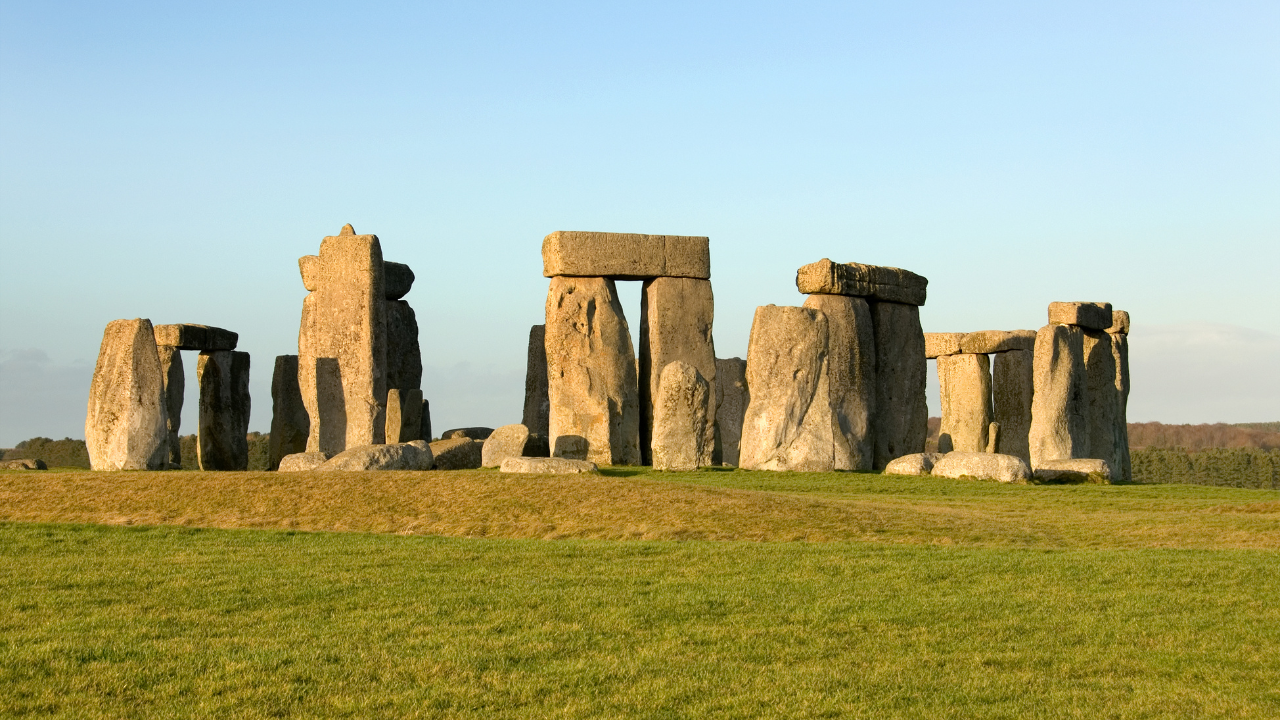
<img border="0" hspace="10" align="left" src="https://timesofindia.indiatimes.com/photo/135612200.cms">Researchers continue to explore the origins of the Altar Stone at Stonehenge, which weighs approximately six tonnes. Recent studies suggested a possible origin from northeast Scotland, but findings have complicated this theory. A new international team's research found no matching source from the Scottish locations they examined, narrowing possibilities down. Previous assumptions about the Altar Stone's Welsh origins have been challenged by new geological insights.
<img border="0" hspace="10" align="left" src="https://timesofindia.indiatimes.com/photo/135595063.cms">A remarkable archaeological find at Cova de la Font Major has revealed 280 Palaeolithic engravings, showcasing diverse motifs of animals and geometric shapes. This challenges the previously held notion that cave art was scarce in northeastern Iberia, where only two pieces were known. These engravings suggest the existence of unique artistic traditions independent of the famous Franco-Cantabrian region, offering new insights into the cultural practices of Ice Age Europe.
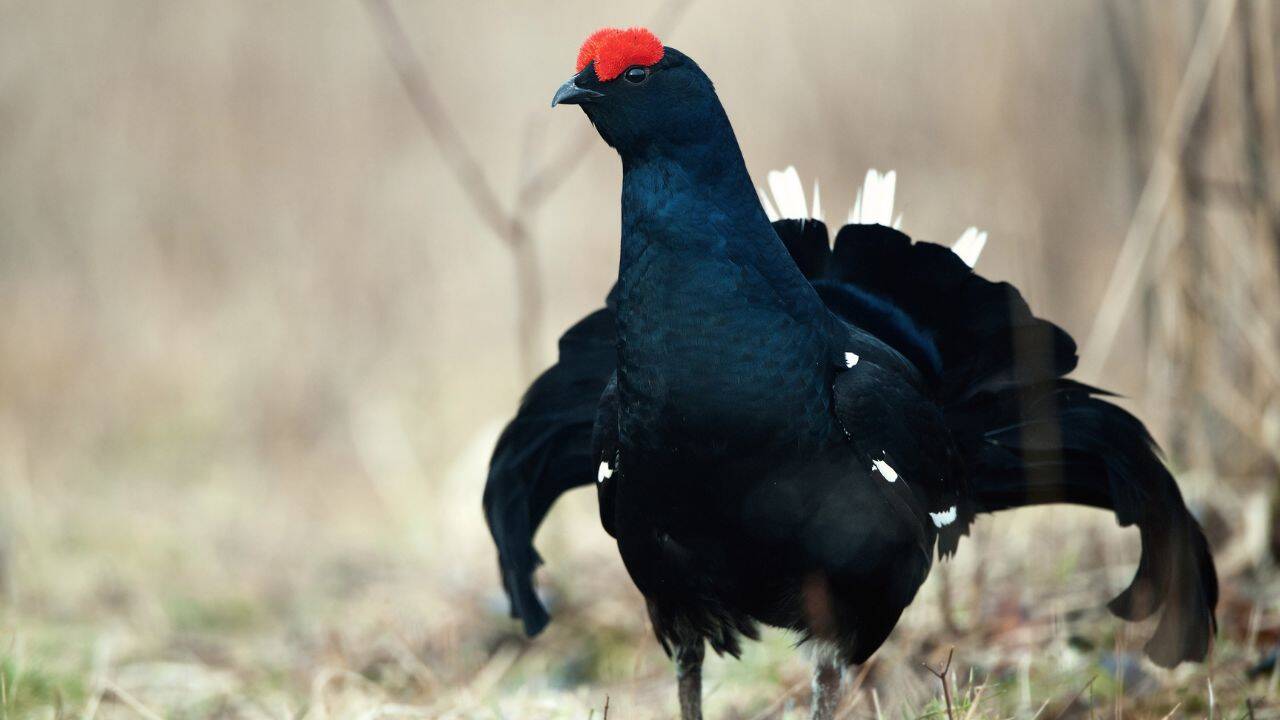
<img border="0" hspace="10" align="left" src="https://timesofindia.indiatimes.com/photo/135607907.cms">In a remarkable conservation achievement, black grouse have successfully hatched chicks in North York Moors after a long absence of 200 years. In 2024, 20 black grouse were moved from North Pennines as part of a dedicated effort that includes habitat restoration and management of predators. Reports indicate a notable rise in the number of displaying males, with plans for further translocations underway to bolster their population even more.
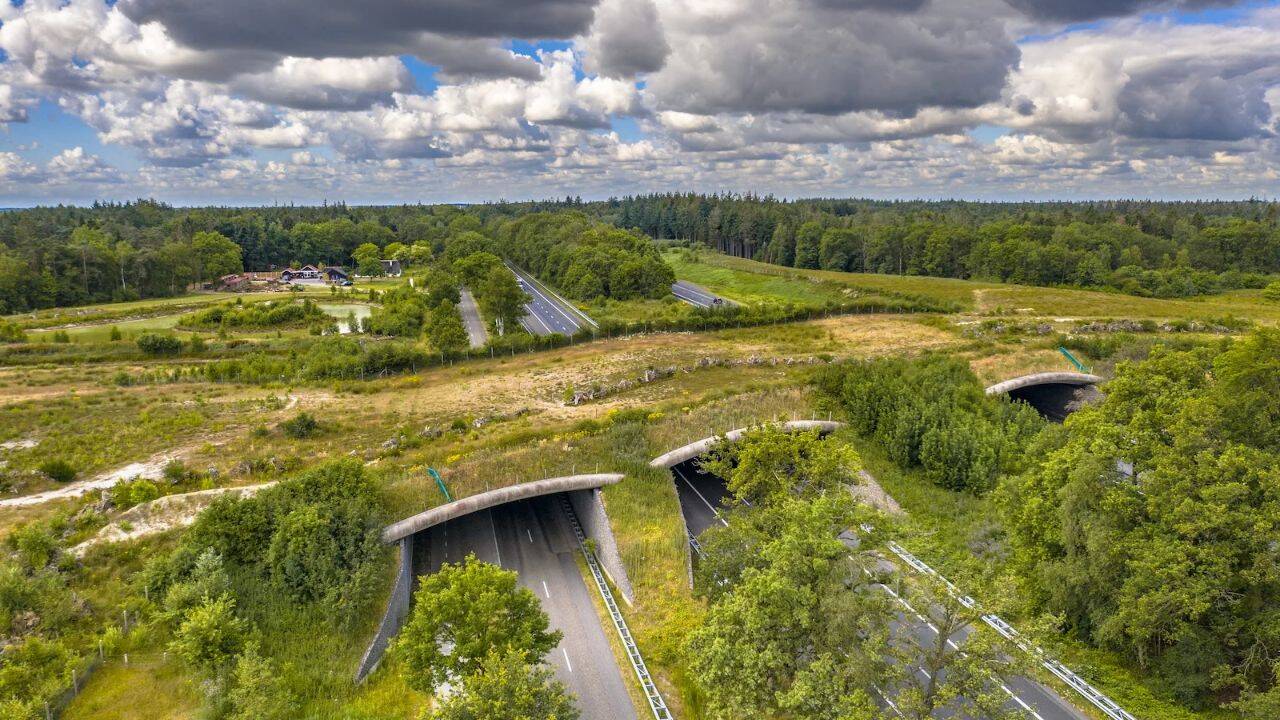
<img border="0" hspace="10" align="left" src="https://timesofindia.indiatimes.com/photo/135619848.cms">Aaryan Ghorpade, a North Carolina student, has triumphed in a national competition with EcoRoute, a project that tracks wildlife-vehicle collision hotspots across the U.S. This innovative online tool gathers collision data and produces heat maps to assist transportation agencies in improving road safety. EcoRoute also encourages community involvement, allowing users to report wildlife sightings. Ghorpade envisions further enhancements and plans to partner with wildlife conservation organizations in his state.
<img border="0" hspace="10" align="left" src="https://timesofindia.indiatimes.com/photo/135600533.cms">
<img border="0" hspace="10" align="left" src="https://timesofindia.indiatimes.com/photo/135599310.cms">
<img border="0" hspace="10" align="left" src="https://timesofindia.indiatimes.com/photo/135597855.cms">In the workplace, women often have to deal with a bunch of societal pressures that can make their skills seem less impressive. Research shows that when women are competent, they can come off as aggressive, which sometimes scares off support from others. This ongoing issue is a big reason fewer women make it into leadership roles.
<img border="0" hspace="10" align="left" src="https://timesofindia.indiatimes.com/photo/135595782.cms">Recent theoretical study explores whether rapidly spinning black holes can split into two smaller black holes. Scientists have long believed that black holes are incapable of splitting due to entropy and the area theorem. The research proposes that under specific conditions, a spinning black hole could theoretically divide without violating physical laws. It introduces the concept of a pair-of-pants topology to describe this unusual scenario.
<img src="https://api.follow.it/track-rss-story-loaded/v1/Sx0u1KHpRfhRf1zTDB0-Wy1Ly282xAAw" border="0" width="1" height="1" alt="What Kind of Snowbird Are You? 10 RV Parks for Your Kind of Winter" title="What Kind of Snowbird Are You? 10 RV Parks for Your Kind of Winter"> <p>Explore 10 snowbird RV parks for resort activities, desert exploring, fishing, and island living. Find your kind of winter.</p> <p>The post <a href="https://rvlife.com/snowbird-rv-parks-for-every-travel-style/">What Kind of Snowbird Are You? 10 RV Parks for Your Kind of Winter</a> appeared first on <a href="https://rvlife.com/">RV LIFE</a>.</p>
<img src="https://api.follow.it/track-rss-story-loaded/v1/XF1L1JDTHPgiMP-I7lGaIC1Ly282xAAw" border="0" width="1" height="1" alt="5 New RVs Built for More Time on the Road" title="5 New RVs Built for More Time on the Road"> <p>Planning to spend more time on the road? These five 2027 RVs offer different approaches to extended travel, from compact motorhomes to residential fifth-wheels and luxury diesel coaches.</p> <p>The post <a href="https://rvlife.com/2027-rvs-extended-stays/">5 New RVs Built for More Time on the Road</a> appeared first on <a href="https://rvlife.com/">RV LIFE</a>.</p>
<img src="https://api.follow.it/track-rss-story-loaded/v1/XF1L1JDTHPjXOpiRnu4-ii1Ly282xAAw" border="0" width="1" height="1" alt="What Makes an RV Comfortable for a Long Stay?" title="What Makes an RV Comfortable for a Long Stay?"> <p>Weekend-friendly does not always mean comfortable for months at a time. See which RV features become much more important during an extended stay.</p> <p>The post <a href="https://rvlife.com/extended-stay-rv-features/">What Makes an RV Comfortable for a Long Stay?</a> appeared first on <a href="https://rvlife.com/">RV LIFE</a>.</p>
<img src="https://api.follow.it/track-rss-story-loaded/v1/XF1L1JDTHPgs1kbR6L_dUi1Ly282xAAw" border="0" width="1" height="1" alt="Long-Term RV Camping: What Changes When You Stay for the Season?" title="Long-Term RV Camping: What Changes When You Stay for the Season?"> <p>Here’s what to check before choosing a long-term RV home base, from rates and utilities to services, location, connectivity, and campground rules.</p> <p>The post <a href="https://rvlife.com/long-term-rv-camping/">Long-Term RV Camping: What Changes When You Stay for the Season?</a> appeared first on <a href="https://rvlife.com/">RV LIFE</a>.</p>
<img src="https://api.follow.it/track-rss-story-loaded/v1/XF1L1JDTHPjD3uZv_TIf-i1Ly282xAAw" border="0" width="1" height="1" alt="Before You Head South for the Winter, Check These RV Systems" title="Before You Head South for the Winter, Check These RV Systems"> <p>A long trip can expose problems that barely show up during occasional use. Inspect these RV systems before heading out for several months.</p> <p>The post <a href="https://rvlife.com/rv-pre-trip-snowbird-inspection/">Before You Head South for the Winter, Check These RV Systems</a> appeared first on <a href="https://rvlife.com/">RV LIFE</a>.</p>
<img src="https://api.follow.it/track-rss-story-loaded/v1/wFZ55fa1ioJSm2jho7qvDy1Ly282xAAw" border="0" width="1" height="1" alt="This Chattanooga Campground Comes with Its Own Cave Adventure" title="This Chattanooga Campground Comes with Its Own Cave Adventure"> <p>Raccoon Mountain Caverns & Campground pairs RV stays with cave tours. See what to expect and how to plan time in Chattanooga.</p> <p>The post <a href="https://rvlife.com/raccoon-mountain-caverns-and-campground-chattanooga/">This Chattanooga Campground Comes with Its Own Cave Adventure</a> appeared first on <a href="https://rvlife.com/">RV LIFE</a>.</p>
<img src="https://api.follow.it/track-rss-story-loaded/v1/uEvZwZWC7vyQm3DE-f8DgS1Ly282xAAw" border="0" width="1" height="1" alt="7 RVs We’re Excited About for 2027" title="7 RVs We’re Excited About for 2027"> <p>From an outdoor kitchen and a spacious gear garage to a front living room with a private rear suite, these seven RVs offer different ways to travel comfortably. Compare their features, layouts, and specifications to find your fit for 2027.</p> <p>The post <a href="https://rvlife.com/2027-rvs/">7 RVs We’re Excited About for 2027</a> appeared first on <a href="https://rvlife.com/">RV LIFE</a>.</p>
<img src="https://api.follow.it/track-rss-story-loaded/v1/s02O4E-nePchFR4SgNGaXC1Ly282xAAw" border="0" width="1" height="1" alt="Heading South for the Winter? Why Rush? Take a Breather at Love’s RV Stop off I-75" title="Heading South for the Winter? Why Rush? Take a Breather at Love’s RV Stop off I-75"> <p>Explore the full-hookup sites, covered patio options, pickleball, and nearby attractions at Love’s RV Stop in Cordele, Georgia.</p> <p>The post <a href="https://rvlife.com/loves-rv-stop-cordele-georgia/">Heading South for the Winter? Why Rush? Take a Breather at Love’s RV Stop off I-75</a> appeared first on <a href="https://rvlife.com/">RV LIFE</a>.</p>