
July 17, 2025

July 17, 2025

July 14, 2025

July 13, 2025











Opinion
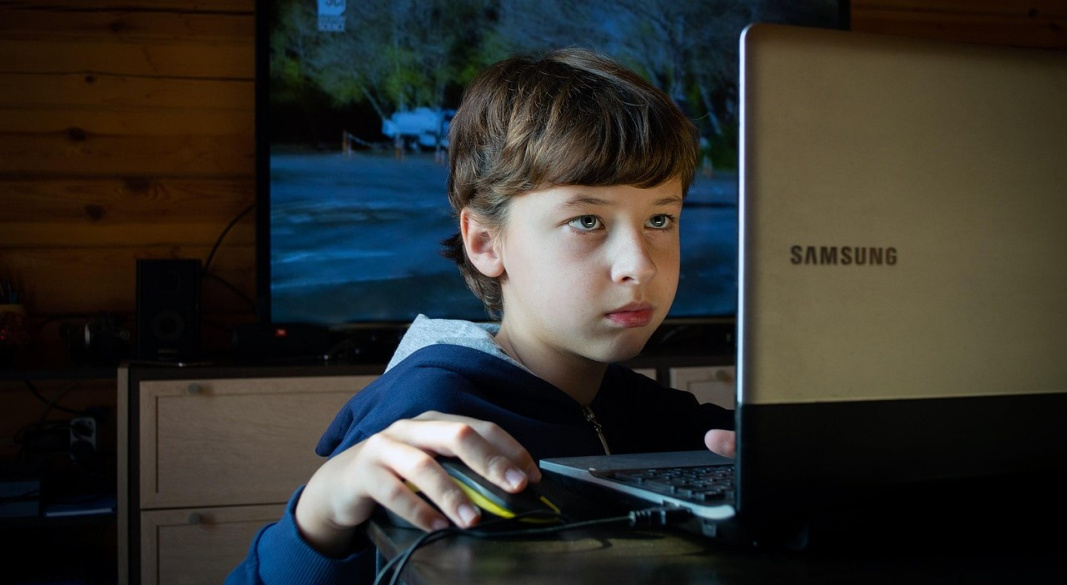
A major new international study has found a strong link between excessive screen time and mental health challenges in adolescents, including rising rates of insomnia, anxiety, and depression. The report, published by the Global Youth Wellness Foundation (GYWF), surveyed 72,000 teenagers aged 13 to 19 across 20 countries, including Bangladesh, the U.S., UK, and Japan. The study revealed that teenagers who spend more than 4 hours a day on social media or smartphones are twice as likely to report symptoms of poor sleep quality, mood swings, and lack of motivation. Digital Overload and the "Always-On" Culture "Teens today are exposed to a constant stream of notifications, comparisons, and content that overstimulates the brain," said Dr. Nafisa Chowdhury, lead researcher on the Bangladesh team. “It disrupts their sleep cycles, reduces face-to-face interactions, and fuels self-esteem issues.” Many teens reported checking their phones immediately before sleeping and even waking up at night to respond to messages or scroll through TikTok and Instagram. Mental Health Crisis in the Digital Age The study found: 34% of respondents reported signs of clinical depression 41% had trouble sleeping more than 3 nights a week 29% felt "chronically anxious" or socially disconnected Girls were more likely to report emotional distress linked to social media use In Dhaka, psychologists at private clinics say they’ve seen a threefold increase in teen patients over the past two years. What Experts Recommend Digital curfews: No screens 1 hour before bed App timers: Set daily limits for entertainment/social platforms Offline time: Encourage outdoor activities or family meals Mental health education: Include digital wellness in school curriculum Government Initiatives Underway In response to the growing concern, Bangladesh’s Ministry of Education is working with health officials to launch a "Safe Screens" campaign in schools, promoting healthy digital habits and offering workshops for both students and parents. “This is a national issue, and we must protect our next generation,” said Dr. Mostafa Kamal, advisor to the National Adolescent Health Program.
Hospitals across Asia, Europe, and parts of North America are reporting a sharp rise in heat-related illnesses as global temperatures reach record highs this July. Health authorities are issuing urgent heatwave warnings and advising people, especially the elderly and children, to take precautions as climate change fuels more extreme weather events. According to the World Meteorological Organization (WMO), over 60 countries have recorded temperatures above 42°C (107.6°F) in the last two weeks — the highest since 2019. Cities like Delhi, Dhaka, Cairo, and Phoenix are seeing emergency rooms fill up with patients suffering from heatstroke, dehydration, and cardiovascular strain. Vulnerable Populations at Risk The elderly, people with chronic diseases, outdoor workers, and those without access to cooling are especially vulnerable. “We are seeing a rise in severe dehydration, kidney problems, and even deaths due to prolonged heat exposure,” said Dr. Tahmina Rahman, Head of Emergency Medicine at Dhaka Shishu Hospital. In Bangladesh, at least 32 people have died due to heat-related complications in the last month alone, and over 1,500 patients have been treated for heat exhaustion across government hospitals. Governments Respond With Emergency Measures Countries are issuing heatwave alerts, distributing drinking water, and opening "cooling shelters" in public spaces. Bangladesh’s Ministry of Health has launched a hotline for emergency support and is advising schools to adjust class hours or shift to remote learning during extreme heat. “We are urging citizens to stay indoors during peak hours, wear light clothing, and stay hydrated,” said Dr. Abu Nasir, spokesperson for the DGHS. Climate Change as a Public Health Crisis Experts say the current crisis is a warning of what’s to come if global warming is not addressed more aggressively. “Climate change isn’t just an environmental issue anymore — it’s a public health emergency,” warned Dr. Lin Zhang, a climate-health researcher at the University of Toronto. The UN Intergovernmental Panel on Climate Change (IPCC) predicts that by 2030, heatwaves could claim over 250,000 lives annually if current trends continue. What You Can Do: Avoid going out between 12 PM and 4 PM Drink 2.5–3 liters of water daily Use fans, cool cloths, or wet towels Never leave children or pets in parked vehicles Check on elderly neighbors or those living alone If you experience signs of heatstroke (dizziness, dry skin, rapid heartbeat), seek medical attention immediately.
The World Health Organization (WHO) has issued a warning about the sharp rise in lifestyle-related illnesses worldwide, calling for immediate action to combat what experts are calling a "silent epidemic" of preventable diseases. According to a 2025 Global Health Report released this week, non-communicable diseases (NCDs) such as diabetes, high blood pressure, obesity, heart disease, and depression are responsible for nearly 74% of all global deaths — a dramatic increase from previous years. A Crisis Fueled by Modern Living Experts blame modern lifestyles — including sedentary behavior, unhealthy diets, stress, lack of sleep, and excessive screen time — for the growing burden of NCDs. “People are moving less, eating more processed food, and living in high-stress environments,” said Dr. Maria Caruso, WHO’s Director of Global Wellness. “The result is a generation at greater risk of chronic illness at younger ages.” In Bangladesh, recent health data from the Ministry of Health and Family Welfare shows that over 12 million adults are living with diabetes, and cases of high blood pressure among people under 35 have nearly doubled since 2020. Mental Health Under Pressure Alongside physical health concerns, mental health remains a major issue. The pandemic's long-term effects, coupled with economic uncertainty and social media addiction, have driven a steep rise in anxiety and depression. A 2025 survey by BRAC Health found that 1 in 3 young people in urban Bangladesh experience moderate to severe stress, often linked to academic pressure, unemployment, and excessive smartphone use. “Increased screen time, disrupted sleep cycles, and a lack of outdoor activity are major contributors,” explained Dr. Rubina Haque, a psychologist at Dhaka Medical College Hospital. “Many young people are silently struggling.” New Push for Preventive Care In response to these trends, health authorities in many countries are shifting focus from treatment to prevention. Bangladesh’s government is launching new public awareness campaigns promoting physical activity, mental health checkups, and regular screenings for blood pressure and blood sugar. Several schools and workplaces are introducing mandatory fitness breaks, healthy canteens, and digital wellness programs aimed at reducing stress and encouraging healthier living. “Health is no longer just a hospital issue,” said Dr. Kamal Uddin, Director of Community Health at the Directorate General of Health Services (DGHS). “It’s a personal, family, and societal responsibility.” Tech and Telemedicine on the Rise Meanwhile, telemedicine and AI-powered health apps are making basic care more accessible. Platforms like Doctorola and Praava Health are helping patients connect with doctors online, order medicines, and monitor chronic conditions from home. Wearable devices, like smartwatches with health tracking, are also gaining popularity for real-time monitoring of heart rate, sleep, and stress levels. Looking Ahead As the world faces growing health threats — from poor lifestyle habits to environmental pollution — experts stress the importance of early education, community support, and government action. “If we don’t act now, we’ll have a future generation that’s sicker and more dependent on long-term treatment,” warned Dr. Caruso. “But with the right interventions, much of this is still preventable.”
A new study published this week in the British Journal of Sports Medicine reveals that walking just 30 minutes a day can significantly reduce the risk of developing chronic diseases such as heart disease, diabetes, and certain cancers. Researchers from King’s College London followed over 12,000 adults aged between 40 and 70 for a period of 10 years. The study found that those who engaged in brisk walking daily had up to a 25% lower risk of heart-related illnesses compared to those with a sedentary lifestyle. “Walking is one of the simplest and most accessible forms of physical activity, yet its benefits are profound,” said Dr. Amelia White, the lead author of the study. “Our research confirms that even moderate movement each day can have a powerful impact on long-term health.” Other Key Findings: Participants who walked in green or natural environments saw greater mental health improvements. Risk of Type 2 diabetes was reduced by 19% in regular walkers. Those who walked in groups had higher motivation to stay active. Public Health Response In response to the findings, the UK’s Department of Health and Social Care announced plans to launch a new campaign titled “Step Forward: 30 Minutes a Day” to encourage more people to incorporate walking into their daily routine. A Global Trend Health experts worldwide are echoing the message, especially in urban centers where sedentary lifestyles are increasingly linked to health problems. The World Health Organization (WHO) recently emphasized physical activity as a top priority for improving global health outcomes. A new study published this week in the British Journal of Sports Medicine reveals that walking just 30 minutes a day can significantly reduce the risk of developing chronic diseases such as heart disease, diabetes, and certain cancers. Researchers from King’s College London followed over 12,000 adults aged between 40 and 70 for a period of 10 years. The study found that those who engaged in brisk walking daily had up to a 25% lower risk of heart-related illnesses compared to those with a sedentary lifestyle. “Walking is one of the simplest and most accessible forms of physical activity, yet its benefits are profound,” said Dr. Amelia White, the lead author of the study. “Our research confirms that even moderate movement each day can have a powerful impact on long-term health.” Other Key Findings: Participants who walked in green or natural environments saw greater mental health improvements. Risk of Type 2 diabetes was reduced by 19% in regular walkers. Those who walked in groups had higher motivation to stay active. Public Health Response In response to the findings, the UK’s Department of Health and Social Care announced plans to launch a new campaign titled “Step Forward: 30 Minutes a Day” to encourage more people to incorporate walking into their daily routine. A Global Trend Health experts worldwide are echoing the message, especially in urban centers where sedentary lifestyles are increasingly linked to health problems. The World Health Organization (WHO) recently emphasized physical activity as a top priority for improving global health outcomes.
In recent years, Bangladesh has witnessed a concerning surge in lifestyle-related diseases such as diabetes, hypertension, heart disease, and obesity. Health experts and medical professionals are sounding the alarm as these non-communicable diseases (NCDs) are becoming increasingly common among people of all ages, especially in urban areas. The trend indicates a significant shift in the nation’s health landscape, which once was more focused on communicable diseases and infections. According to the Bangladesh Bureau of Statistics and several health studies, one in every three adults is at risk of developing high blood pressure, while diabetes is affecting both middle-aged and younger individuals at an alarming rate. Cardiovascular diseases are now one of the leading causes of premature death in the country. Doctors say this shift is largely driven by rapid urbanization, poor lifestyle choices, and lack of health education. The root causes of this growing health threat are deeply linked to changing lifestyles. Fast food consumption has increased dramatically in the past decade, especially among the youth. Fried items, sugary drinks, and processed snacks have replaced home-cooked meals for many people. At the same time, physical activity has decreased due to technology-driven work and entertainment habits. Office workers spend long hours sitting, children prefer mobile games over outdoor play, and people generally avoid walking even short distances. Stress is another major factor contributing to lifestyle diseases. Busy work schedules, financial pressure, and social expectations are leading to sleep disorders and mental health issues like anxiety and depression. Unfortunately, mental health remains a less talked-about topic in our society, leaving many people untreated and unaware of the connection between stress and physical illness. Doctors are urging people to adopt preventive measures rather than waiting for symptoms to appear. These measures include eating a healthy, balanced diet with more fruits, vegetables, and whole grains; drinking sufficient water; avoiding excessive sugar and salt; and engaging in regular physical activities such as walking, yoga, or exercise. Avoiding smoking and alcohol is also highly recommended. Health campaigns and educational programs are essential to raise awareness across all sections of society. Experts suggest that schools should introduce health and nutrition education from an early stage. Workplaces should encourage short breaks, offer healthy snacks, and promote mental wellness. Government healthcare centers can also play a key role by organizing regular health check-up camps and offering guidance on maintaining a healthy lifestyle. The government has taken some steps, including launching awareness drives and strengthening non-communicable disease units in hospitals. However, more action is needed to reach rural populations and lower-income groups who often have less access to healthcare and information. The rise of lifestyle diseases is not just a medical issue—it’s a social, economic, and national concern. If left unaddressed, it could burden families with high treatment costs, reduce workforce productivity, and increase pressure on the already strained healthcare system. Public health specialists are warning that Bangladesh could face a serious health crisis in the next two decades if preventive steps are not taken now. The message is clear: small daily changes like eating nutritious food, staying physically active, reducing screen time, and managing stress can have a huge impact on long-term health. Now is the time to act, before these silent diseases take a louder toll on our lives.
Cox’s Bazar – The global travel industry is experiencing a strong revival in 2025 after years of pandemic-related restrictions, with Bangladesh emerging as a popular destination for both domestic and international tourists. From the beaches of Cox’s Bazar to the tea gardens of Sylhet and the hill tracts of Bandarban, the country’s tourism hotspots are witnessing record footfall. According to the Bangladesh Parjatan Corporation, domestic tourism has increased by 35% compared to last year, while international arrivals are up by 22%, thanks to relaxed visa policies and a rise in eco-tourism interest. “We had almost full occupancy during Eid and summer vacations,” said Mahmudul Hasan, manager of a resort in Inani Beach. “People are eager to explore after being stuck at home for so long. Travel is booming again.” Airlines and transport services have also benefited from the rebound. Biman Bangladesh Airlines and private carriers report higher ticket sales, and several new domestic routes have been introduced to meet demand. Globally, travelers are prioritizing nature, wellness, and cultural experiences over shopping or luxury hotels. Industry experts say the trend is shifting toward “slow travel” — spending more time in fewer places and focusing on meaningful experiences. However, the increase in travel also brings concerns. Environmentalists have warned about the pressure on natural resources and fragile ecosystems, particularly in places like Saint Martin’s Island, where plastic pollution and over-tourism are rising. “We welcome tourists, but sustainable travel is essential,” said Dr. Nasima Aktar, an environmental researcher. “The government should enforce stronger rules to protect the natural beauty of these locations.” The government has announced a Tk 500 crore tourism development plan, aiming to improve infrastructure, train local guides, and promote lesser-known destinations such as Kuakata, Mahasthangarh, and the Sundarbans. Meanwhile, travel bloggers and influencers are playing a key role in shaping travel trends. Social media posts featuring waterfalls in Sajek or boat rides in Barishal have gone viral, attracting thousands of curious travelers. Security, cleanliness, and affordability remain top concerns for tourists. Many are demanding better public facilities, reliable transport options, and digital payment systems in remote areas. With the right investments and responsible tourism practices, Bangladesh has the potential to become a leading travel destination in South Asia, say tourism officials. As 2025 continues, wanderlust is back in full swing — and for many, the next great adventure is just a bus ride, train journey, or short flight away.

Dhaka – Food prices have surged across Bangladesh and many parts of the world due to disruptions in global supply chains, unfavorable weather conditions, and increased transportation costs. Local households are feeling the pressure as the cost of essential food items like rice, lentils, vegetables, and cooking oil continues to climb week after week. According to the Trading Corporation of Bangladesh (TCB), the price of coarse rice has increased by nearly 15% over the past month, while lentils and soybean oil have seen hikes of 10% and 12% respectively. Retailers in Dhaka’s Karwan Bazar, one of the largest wholesale markets, confirmed the trend and pointed to limited supply and rising import costs. “We are trying to manage our budgets, but it’s getting harder every day,” said Salma Begum, a homemaker from Mohammadpur. “Even vegetables that were once affordable have become expensive. It’s affecting our daily meals.” Experts cite a combination of local and global factors behind the price surge. A prolonged drought in India has impacted rice production, while floods in northern Bangladesh have damaged vegetable crops. Additionally, the weakening taka against the U.S. dollar has made food imports more expensive. “We are in a delicate situation,” said Dr. Tanvir Hossain, an economist at the University of Dhaka. “Unless global shipping costs come down and domestic crop production improves, the pressure on food prices will continue.” The government has taken some measures to mitigate the impact. Open Market Sales (OMS) programs have been extended to more districts, and subsidies on selected food items have been announced. However, many argue that these efforts are not enough. Small restaurants and food vendors are also struggling to keep up with rising ingredient costs. “We haven’t increased menu prices yet, but if this continues, we may have no choice,” said Rafiq Ahmed, owner of a small eatery in Mirpur. Consumers are being urged to avoid panic buying and wastage, while agricultural experts recommend boosting local production and reducing dependency on imports to ensure long-term food security. As food inflation bites deeper into household budgets, families across the country are hoping for swift action—and some relief from the kitchen table crisis.


In an increasingly visual world, photography has evolved far beyond a hobby—it has become a powerful tool of connection, identity, and even resistance. From the alleyways of Marrakech to the streets of Tokyo, people around the globe are using photography to capture their realities, share their truths, and reimagine how we see the world. In 2025, the art of photography is no longer limited to professionals or those with expensive equipment. With powerful cameras embedded in nearly every smartphone and editing apps accessible to all, the global population has become a generation of storytellers. A New Language of Expression Photography has become the most universal visual language—transcending borders, politics, and even spoken words. A single image can spark movements, ignite conversations, and bring attention to marginalized voices. From the war-torn zones of Gaza and Ukraine to peaceful protests in Europe and climate marches in South America, everyday citizens are documenting history in real time. These raw, unfiltered images often make their way to global audiences faster than traditional news media. "The smartphone is the new pen," says French photojournalist Camille Laurent. "People don’t just take photos—they share their worldviews." The Rise of Visual Identity In cities like New York, Seoul, and Berlin, photography has become deeply intertwined with personal branding. On platforms like Instagram and Threads, visuals are the currency of influence. Whether it’s fashion, travel, activism, or mental health, photography is the lens through which individuals craft and project their identity. This has also sparked a global aesthetic—where minimalist cafes in Istanbul resemble those in Paris, and sunlit "golden hour" selfies are universal. Yet within this visual sameness, cultural uniqueness is also being celebrated. Photographers are reclaiming their heritage—using traditional attire, rural landscapes, and local rituals to tell stories that challenge stereotypes and global homogenization. AI, Ethics & The Future As artificial intelligence blends with photography, questions of ethics and authenticity are surfacing. AI-generated portraits and edited realities raise concerns about truth, body image, and media manipulation. Yet, at the same time, AI tools are empowering more people to create stunning visuals without formal training—democratizing creativity in ways never imagined. "We’re entering an era where the line between photography and digital art is blurring," notes Japanese visual artist Rei Nakamura. "But the emotion behind the image still matters most." A Global Bond In refugee camps in Jordan, schoolchildren are given disposable cameras to capture their lives. In Scandinavian forests, nature photographers use drones to document wildlife. On African coastlines, photographers are preserving indigenous stories that were never written down. Despite the diversity of context, one thing is clear: photography connects humanity. It offers empathy. It builds bridges. In the words of American photographer Dorothea Lange, "Photography takes an instant out of time, altering life by holding it still." And today, more than ever, the world is watching—frame by frame.

In an increasingly visual world, photography has evolved far beyond a hobby—it has become a powerful tool of connection, identity, and even resistance. From the alleyways of Marrakech to the streets of Tokyo, people around the globe are using photography to capture their realities, share their truths, and reimagine how we see the world. In 2025, the art of photography is no longer limited to professionals or those with expensive equipment. With powerful cameras embedded in nearly every smartphone and editing apps accessible to all, the global population has become a generation of storytellers. A New Language of Expression Photography has become the most universal visual language—transcending borders, politics, and even spoken words. A single image can spark movements, ignite conversations, and bring attention to marginalized voices. From the war-torn zones of Gaza and Ukraine to peaceful protests in Europe and climate marches in South America, everyday citizens are documenting history in real time. These raw, unfiltered images often make their way to global audiences faster than traditional news media. "The smartphone is the new pen," says French photojournalist Camille Laurent. "People don’t just take photos—they share their worldviews." The Rise of Visual Identity In cities like New York, Seoul, and Berlin, photography has become deeply intertwined with personal branding. On platforms like Instagram and Threads, visuals are the currency of influence. Whether it’s fashion, travel, activism, or mental health, photography is the lens through which individuals craft and project their identity. This has also sparked a global aesthetic—where minimalist cafes in Istanbul resemble those in Paris, and sunlit "golden hour" selfies are universal. Yet within this visual sameness, cultural uniqueness is also being celebrated. Photographers are reclaiming their heritage—using traditional attire, rural landscapes, and local rituals to tell stories that challenge stereotypes and global homogenization. AI, Ethics & The Future As artificial intelligence blends with photography, questions of ethics and authenticity are surfacing. AI-generated portraits and edited realities raise concerns about truth, body image, and media manipulation. Yet, at the same time, AI tools are empowering more people to create stunning visuals without formal training—democratizing creativity in ways never imagined. "We’re entering an era where the line between photography and digital art is blurring," notes Japanese visual artist Rei Nakamura. "But the emotion behind the image still matters most." A Global Bond In refugee camps in Jordan, schoolchildren are given disposable cameras to capture their lives. In Scandinavian forests, nature photographers use drones to document wildlife. On African coastlines, photographers are preserving indigenous stories that were never written down. Despite the diversity of context, one thing is clear: photography connects humanity. It offers empathy. It builds bridges. In the words of American photographer Dorothea Lange, "Photography takes an instant out of time, altering life by holding it still." And today, more than ever, the world is watching—frame by frame.

In an increasingly visual world, photography has evolved far beyond a hobby—it has become a powerful tool of connection, identity, and even resistance. From the alleyways of Marrakech to the streets of Tokyo, people around the globe are using photography to capture their realities, share their truths, and reimagine how we see the world. In 2025, the art of photography is no longer limited to professionals or those with expensive equipment. With powerful cameras embedded in nearly every smartphone and editing apps accessible to all, the global population has become a generation of storytellers. A New Language of Expression Photography has become the most universal visual language—transcending borders, politics, and even spoken words. A single image can spark movements, ignite conversations, and bring attention to marginalized voices. From the war-torn zones of Gaza and Ukraine to peaceful protests in Europe and climate marches in South America, everyday citizens are documenting history in real time. These raw, unfiltered images often make their way to global audiences faster than traditional news media. "The smartphone is the new pen," says French photojournalist Camille Laurent. "People don’t just take photos—they share their worldviews." The Rise of Visual Identity In cities like New York, Seoul, and Berlin, photography has become deeply intertwined with personal branding. On platforms like Instagram and Threads, visuals are the currency of influence. Whether it’s fashion, travel, activism, or mental health, photography is the lens through which individuals craft and project their identity. This has also sparked a global aesthetic—where minimalist cafes in Istanbul resemble those in Paris, and sunlit "golden hour" selfies are universal. Yet within this visual sameness, cultural uniqueness is also being celebrated. Photographers are reclaiming their heritage—using traditional attire, rural landscapes, and local rituals to tell stories that challenge stereotypes and global homogenization. AI, Ethics & The Future As artificial intelligence blends with photography, questions of ethics and authenticity are surfacing. AI-generated portraits and edited realities raise concerns about truth, body image, and media manipulation. Yet, at the same time, AI tools are empowering more people to create stunning visuals without formal training—democratizing creativity in ways never imagined. "We’re entering an era where the line between photography and digital art is blurring," notes Japanese visual artist Rei Nakamura. "But the emotion behind the image still matters most." A Global Bond In refugee camps in Jordan, schoolchildren are given disposable cameras to capture their lives. In Scandinavian forests, nature photographers use drones to document wildlife. On African coastlines, photographers are preserving indigenous stories that were never written down. Despite the diversity of context, one thing is clear: photography connects humanity. It offers empathy. It builds bridges. In the words of American photographer Dorothea Lange, "Photography takes an instant out of time, altering life by holding it still." And today, more than ever, the world is watching—frame by frame.

In an increasingly visual world, photography has evolved far beyond a hobby—it has become a powerful tool of connection, identity, and even resistance. From the alleyways of Marrakech to the streets of Tokyo, people around the globe are using photography to capture their realities, share their truths, and reimagine how we see the world. In 2025, the art of photography is no longer limited to professionals or those with expensive equipment. With powerful cameras embedded in nearly every smartphone and editing apps accessible to all, the global population has become a generation of storytellers. A New Language of Expression Photography has become the most universal visual language—transcending borders, politics, and even spoken words. A single image can spark movements, ignite conversations, and bring attention to marginalized voices. From the war-torn zones of Gaza and Ukraine to peaceful protests in Europe and climate marches in South America, everyday citizens are documenting history in real time. These raw, unfiltered images often make their way to global audiences faster than traditional news media. "The smartphone is the new pen," says French photojournalist Camille Laurent. "People don’t just take photos—they share their worldviews." The Rise of Visual Identity In cities like New York, Seoul, and Berlin, photography has become deeply intertwined with personal branding. On platforms like Instagram and Threads, visuals are the currency of influence. Whether it’s fashion, travel, activism, or mental health, photography is the lens through which individuals craft and project their identity. This has also sparked a global aesthetic—where minimalist cafes in Istanbul resemble those in Paris, and sunlit "golden hour" selfies are universal. Yet within this visual sameness, cultural uniqueness is also being celebrated. Photographers are reclaiming their heritage—using traditional attire, rural landscapes, and local rituals to tell stories that challenge stereotypes and global homogenization. AI, Ethics & The Future As artificial intelligence blends with photography, questions of ethics and authenticity are surfacing. AI-generated portraits and edited realities raise concerns about truth, body image, and media manipulation. Yet, at the same time, AI tools are empowering more people to create stunning visuals without formal training—democratizing creativity in ways never imagined. "We’re entering an era where the line between photography and digital art is blurring," notes Japanese visual artist Rei Nakamura. "But the emotion behind the image still matters most." A Global Bond In refugee camps in Jordan, schoolchildren are given disposable cameras to capture their lives. In Scandinavian forests, nature photographers use drones to document wildlife. On African coastlines, photographers are preserving indigenous stories that were never written down. Despite the diversity of context, one thing is clear: photography connects humanity. It offers empathy. It builds bridges. In the words of American photographer Dorothea Lange, "Photography takes an instant out of time, altering life by holding it still." And today, more than ever, the world is watching—frame by frame.

In an increasingly visual world, photography has evolved far beyond a hobby—it has become a powerful tool of connection, identity, and even resistance. From the alleyways of Marrakech to the streets of Tokyo, people around the globe are using photography to capture their realities, share their truths, and reimagine how we see the world. In 2025, the art of photography is no longer limited to professionals or those with expensive equipment. With powerful cameras embedded in nearly every smartphone and editing apps accessible to all, the global population has become a generation of storytellers. A New Language of Expression Photography has become the most universal visual language—transcending borders, politics, and even spoken words. A single image can spark movements, ignite conversations, and bring attention to marginalized voices. From the war-torn zones of Gaza and Ukraine to peaceful protests in Europe and climate marches in South America, everyday citizens are documenting history in real time. These raw, unfiltered images often make their way to global audiences faster than traditional news media. "The smartphone is the new pen," says French photojournalist Camille Laurent. "People don’t just take photos—they share their worldviews." The Rise of Visual Identity In cities like New York, Seoul, and Berlin, photography has become deeply intertwined with personal branding. On platforms like Instagram and Threads, visuals are the currency of influence. Whether it’s fashion, travel, activism, or mental health, photography is the lens through which individuals craft and project their identity. This has also sparked a global aesthetic—where minimalist cafes in Istanbul resemble those in Paris, and sunlit "golden hour" selfies are universal. Yet within this visual sameness, cultural uniqueness is also being celebrated. Photographers are reclaiming their heritage—using traditional attire, rural landscapes, and local rituals to tell stories that challenge stereotypes and global homogenization. AI, Ethics & The Future As artificial intelligence blends with photography, questions of ethics and authenticity are surfacing. AI-generated portraits and edited realities raise concerns about truth, body image, and media manipulation. Yet, at the same time, AI tools are empowering more people to create stunning visuals without formal training—democratizing creativity in ways never imagined. "We’re entering an era where the line between photography and digital art is blurring," notes Japanese visual artist Rei Nakamura. "But the emotion behind the image still matters most." A Global Bond In refugee camps in Jordan, schoolchildren are given disposable cameras to capture their lives. In Scandinavian forests, nature photographers use drones to document wildlife. On African coastlines, photographers are preserving indigenous stories that were never written down. Despite the diversity of context, one thing is clear: photography connects humanity. It offers empathy. It builds bridges. In the words of American photographer Dorothea Lange, "Photography takes an instant out of time, altering life by holding it still." And today, more than ever, the world is watching—frame by frame.
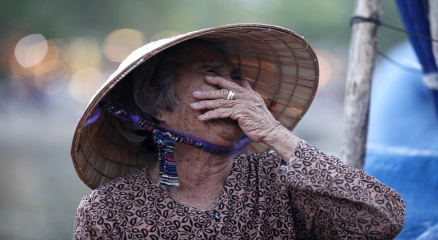
In an increasingly visual world, photography has evolved far beyond a hobby—it has become a powerful tool of connection, identity, and even resistance. From the alleyways of Marrakech to the streets of Tokyo, people around the globe are using photography to capture their realities, share their truths, and reimagine how we see the world. In 2025, the art of photography is no longer limited to professionals or those with expensive equipment. With powerful cameras embedded in nearly every smartphone and editing apps accessible to all, the global population has become a generation of storytellers. A New Language of Expression Photography has become the most universal visual language—transcending borders, politics, and even spoken words. A single image can spark movements, ignite conversations, and bring attention to marginalized voices. From the war-torn zones of Gaza and Ukraine to peaceful protests in Europe and climate marches in South America, everyday citizens are documenting history in real time. These raw, unfiltered images often make their way to global audiences faster than traditional news media. "The smartphone is the new pen," says French photojournalist Camille Laurent. "People don’t just take photos—they share their worldviews." The Rise of Visual Identity In cities like New York, Seoul, and Berlin, photography has become deeply intertwined with personal branding. On platforms like Instagram and Threads, visuals are the currency of influence. Whether it’s fashion, travel, activism, or mental health, photography is the lens through which individuals craft and project their identity. This has also sparked a global aesthetic—where minimalist cafes in Istanbul resemble those in Paris, and sunlit "golden hour" selfies are universal. Yet within this visual sameness, cultural uniqueness is also being celebrated. Photographers are reclaiming their heritage—using traditional attire, rural landscapes, and local rituals to tell stories that challenge stereotypes and global homogenization. AI, Ethics & The Future As artificial intelligence blends with photography, questions of ethics and authenticity are surfacing. AI-generated portraits and edited realities raise concerns about truth, body image, and media manipulation. Yet, at the same time, AI tools are empowering more people to create stunning visuals without formal training—democratizing creativity in ways never imagined. "We’re entering an era where the line between photography and digital art is blurring," notes Japanese visual artist Rei Nakamura. "But the emotion behind the image still matters most." A Global Bond In refugee camps in Jordan, schoolchildren are given disposable cameras to capture their lives. In Scandinavian forests, nature photographers use drones to document wildlife. On African coastlines, photographers are preserving indigenous stories that were never written down. Despite the diversity of context, one thing is clear: photography connects humanity. It offers empathy. It builds bridges. In the words of American photographer Dorothea Lange, "Photography takes an instant out of time, altering life by holding it still." And today, more than ever, the world is watching—frame by frame.




Dhaka – The National Board of Revenue (NBR) has announced a new policy requiring social media influencers to declare their income for taxation. This includes those earning from sponsored posts, affiliate marketing, and ad revenue. “Digital creators are now part of the economy — they must contribute like others,” said an NBR official. Popular influencers have expressed mixed reactions, with some supporting transparency while others fear complicated paperwork and reduced earnings. Tax experts recommend creators keep proper digital invoices and records to avoid future penalties.

Dhaka – Deepfake videos are creating panic on social media, as edited footage showing politicians and celebrities in fake scenarios circulates rapidly. Authorities say such videos can cause public unrest and damage reputations. BTRC has warned users to avoid sharing such content, while platforms like Facebook and YouTube are under pressure to improve detection systems. “We are working with AI experts to flag and remove deepfakes faster,” said a Facebook representative in South Asia. But critics argue response times remain too slow.
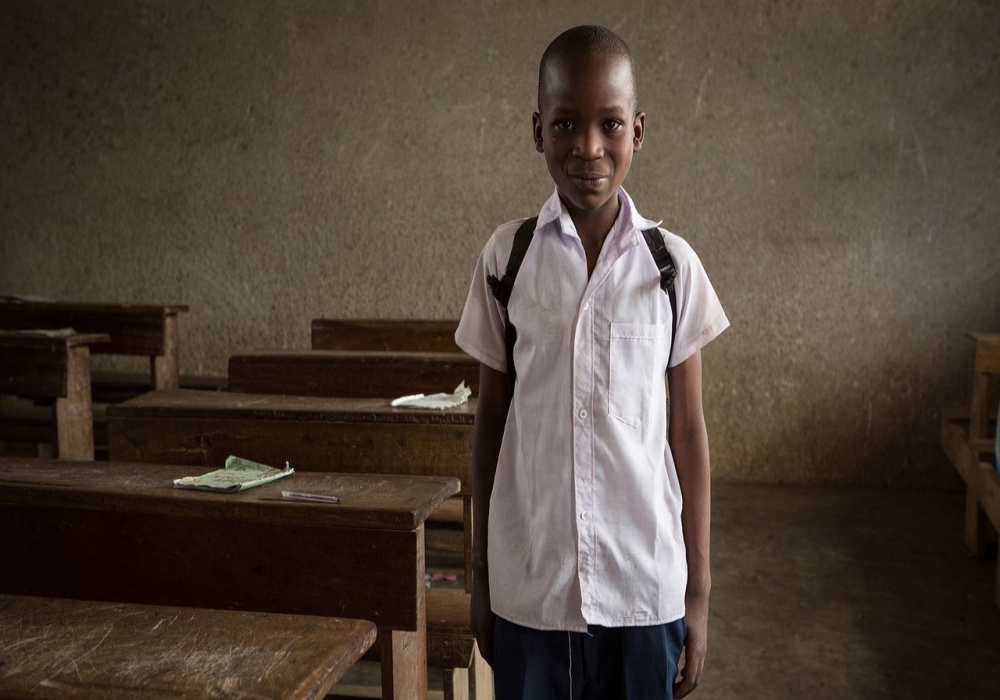
Rajshahi – YouTube is emerging as an alternative classroom for students in rural Bangladesh. Educational content on subjects like math, science, and English is filling gaps left by limited access to quality schools. “I prepare for my SSC exams watching YouTube tutorials,” said Rafiq Mia, a class 10 student. “It’s free and easy to understand.” Teachers and NGOs are encouraging this shift but emphasize the need for content regulation and internet access in remote areas to maximize impact.
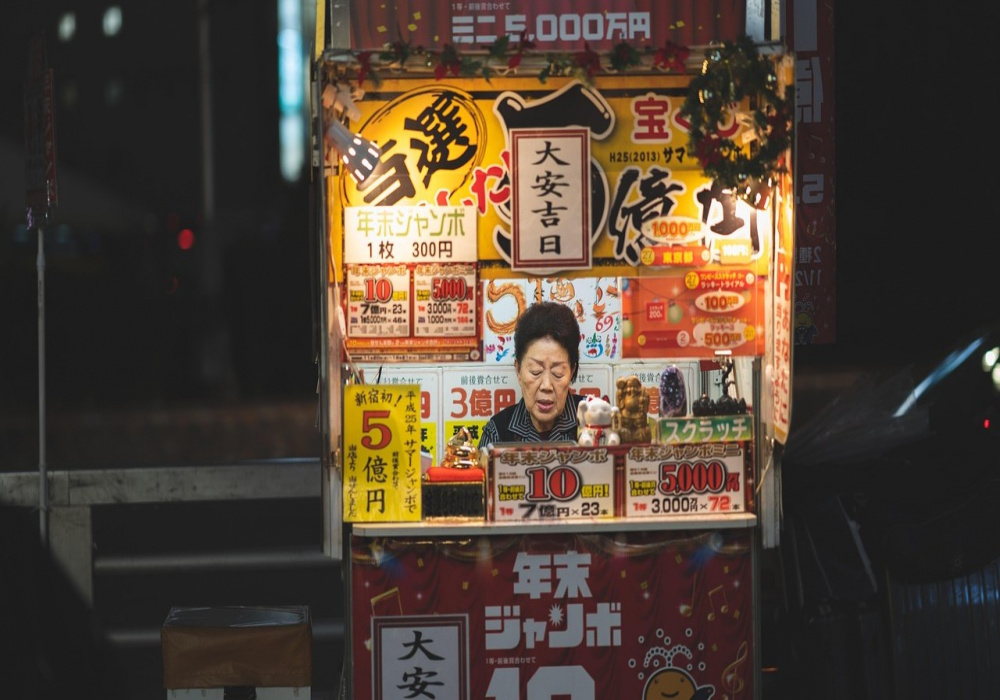
Chattogram – Facebook Marketplace has become a lifeline for small vendors across Bangladesh. From clothing to electronics, thousands of sellers now operate entirely online, skipping traditional storefronts to reach customers directly. “I used to sell clothes door to door,” said Jahidul Islam, a vendor from Comilla. “Now I post them online and get orders from all over the country.” This digital shift has boosted entrepreneurship but also raised concerns over consumer protection, as cases of fraud and fake pages are increasing.

Dhaka – TikTok is no longer just for dancing and lip-syncs. In 2025, Bangladeshi youth are using the platform to raise awareness about issues like climate change, mental health, and women's rights. Hashtags like #SaveTheSundarbans and #MentalHealthMatters have gone viral, sparking real-world action. “I started posting about mental health after struggling with anxiety,” said Sadia Nasrin, 20, a Dhaka University student. “The support I received changed my life — and others have joined in too.” Experts say this trend shows how social media can be a powerful tool for activism — if used responsibly.
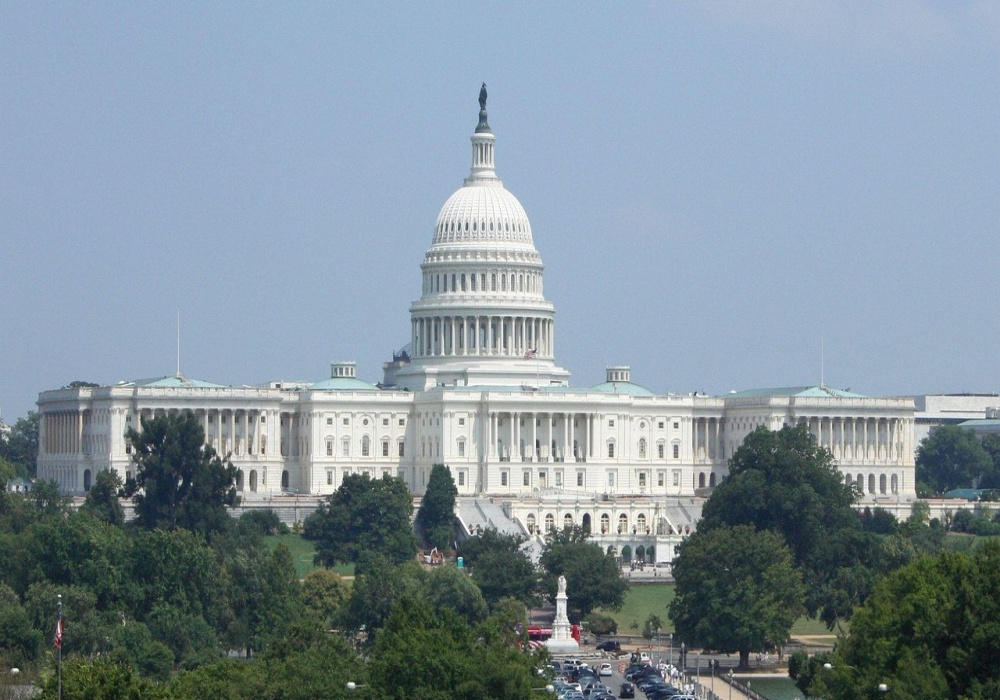
Dhaka – In today’s Bangladesh, politics is no longer confined to public rallies or television talk shows — it’s playing out every day on Facebook, X (formerly Twitter), and TikTok. As the country heads toward its next general election, social media has become a powerful tool for political communication, grassroots organizing, and public debate. Political parties, independent candidates, and youth activists are all turning to social platforms to reach the public directly. Videos, livestreams, memes, and campaign reels now shape political narratives faster than traditional media ever could. “Social media lets us speak directly to the people, without gatekeepers,” said Arman Chowdhury, a digital campaign manager for a leading political party. “In 2025, a viral post can shift public opinion overnight.” According to the Bangladesh Election Monitoring Forum, over 60% of first-time voters rely on social media as their primary source of political information. Parties are investing heavily in digital teams, influencer partnerships, and content creators to boost engagement and shape perception. But the rise of digital politics has a darker side. Misinformation, hate speech, and coordinated disinformation campaigns are spreading rapidly, often polarizing communities and confusing voters. During the recent city elections, fake polls and deepfake videos circulated widely, prompting the Bangladesh Telecommunication Regulatory Commission (BTRC) to issue warnings and take down dozens of misleading posts. “Social media is both a blessing and a threat to democracy,” said Dr. Nilufa Yasmin, a political science professor at Dhaka University. “It amplifies voices but also enables manipulation. Regulation and media literacy are urgently needed.” Civic groups and digital watchdogs are calling for stronger transparency from platforms like Facebook and TikTok regarding political ads, fake accounts, and bot-driven propaganda. Meanwhile, social media has empowered a new generation of digital activists — from environmentalists and women's rights advocates to student leaders. Hashtags like #SaveTheSundarbans, #JusticeForNusrat, and #DigitalBangladesh have sparked national conversations and even led to real-world policy changes. “I use my Instagram to talk about climate justice and education reform,” said Tania Haque, a 22-year-old activist from Narayanganj. “Even if we’re not on TV, we have a voice — and it’s loud.” However, concerns about digital surveillance and freedom of expression persist. Several users have reported account suspensions or harassment after posting critical content about powerful figures or institutions. As social media continues to shape politics in real time, experts urge voters to verify sources, think critically, and avoid echo chambers. “Don’t believe everything you see on your feed,” warned BTRC spokesperson Shahinul Islam. “Use technology, but stay aware.” With elections looming, the digital battlefield is heating up — and in 2025, a single post, video, or hashtag could change the course of the nation.

In an astonishing turn of events, a rising social media influencer known for her luxurious lifestyle and motivational content was arrested on Sunday in connection with a multi-crore online scam operation. The arrest has sent shockwaves across the digital world, particularly among her millions of followers who once admired her as a symbol of success and inspiration. The Arrest At approximately 6:30 a.m. on Sunday morning, a team from the Cyber Crime Division of the Criminal Investigation Department (CID) conducted a raid at a high-end apartment complex in Gulshan, Dhaka. The prime suspect, 26-year-old Shanta Rahman—popularly known as "Shanta Queen" on TikTok—was taken into custody along with her personal assistant and two IT technicians. CID officials confirmed that the arrest came after a month-long investigation into a syndicate involved in duping people through fake e-commerce sites, lottery schemes, and phishing scams. Preliminary evidence indicates that Shanta was not only the face of the operation but also the planner and main beneficiary. Test Double Test Test Double Test Test Double Test The Rise to Fame Shanta Rahman began her journey as a beauty content creator in early 2021, initially uploading makeup tutorials, fitness tips, and motivational speeches. Within a year, she had amassed over 1.8 million followers on TikTok and a substantial following on YouTube and Instagram. With her charming personality, designer outfits, and luxury lifestyle, Shanta quickly became a role model for thousands of young people. Brands flocked to sponsor her content, and her growing popularity even earned her interviews on local TV shows. But behind the glitz and glamour, investigators say, lay a carefully orchestrated digital scam. The Modus Operandi According to CID’s findings, Shanta and her team had been running a string of fake online platforms since late 2022. These included: Fake E-commerce Stores: Websites selling electronics and luxury goods at too-good-to-be-true prices, accepting payments but never delivering products. Lottery Scams: Victims were promised massive cash rewards after paying a “processing fee” or “tax” to claim their prize. Phishing Operations: Imitation websites of legitimate financial institutions were used to collect sensitive banking data from unsuspecting users. CID reports that the scam network affected over 4,500 victims nationwide, with estimated financial damages exceeding ৳18 crore (approximately $1.6 million). Digital forensics have revealed that the operation used highly sophisticated web tools and anonymizing technologies to avoid detection. Payments were routed through multiple bank accounts, most registered under fake national IDs. The Face of Fraud While Shanta initially gained popularity as a lifestyle content creator, by mid-2023, her content started promoting quick-money schemes under the guise of "digital entrepreneurship." She urged followers to invest in “online ventures,” offering video testimonials from so-called “successful investors”—many of whom are now believed to be actors or manipulated AI-generated clips. “She leveraged her influencer status to gain trust. Her followers believed in her, and that’s what made the scam so effective,” said CID Additional Deputy Commissioner of Police (Cyber Crimes), Md. Faruque Hossain. “We’re calling this a modern digital Ponzi scheme. She used the trust economy of social media to commit crimes,” he added. Victims Speak Out After the arrest, several victims came forward on social media and to the press. One of them, 32-year-old Rezaul Karim from Rajshahi, claimed to have lost over ৳70,000 after trying to buy a DSLR camera from one of Shanta's promoted e-commerce websites. “She seemed trustworthy. Her videos made her look so professional and confident. I never imagined she could be a scammer,” he lamented. Another victim, a university student in Chattogram, said he was lured into an online "digital course" scheme where participants had to pay a fee to learn how to "earn from home." The course had no real value and disappeared after a few weeks. What the Authorities Found During the raid, CID officials seized: 8 high-end smartphones and 4 laptops loaded with tracking software Multiple fake SIM cards and national ID copies Three POS machines and multiple debit cards A whiteboard outlining scam funnel strategies Digital forensic analysts are currently retrieving data from cloud storage linked to her devices, which are expected to yield further insights into the depth of the scam. Shanta’s Defense In an initial court appearance on Monday, Shanta denied all charges, claiming she was unaware of the illegal activities and was being framed. “I run a business. I am a content creator, not a criminal,” she said, breaking down in front of reporters. “I didn’t know my marketing team was using my brand for scams.” However, CID officers remain firm in their position, stating that they have found “incontrovertible evidence” of her direct involvement, including voice messages, email exchanges, and financial transactions routed to her personal account. Social Media Reaction News of the arrest sparked mixed reactions on social media. While some fans expressed disbelief and support using the hashtag #FreeShanta, others felt betrayed and angry. “She fooled thousands. I used to trust her completely,” one TikTok comment read. Several influencers and digital creators issued public statements distancing themselves from Shanta and urging their followers to be cautious about where they invest their money. Legal Proceedings Shanta has been placed on a five-day remand for further interrogation. CID has also announced that more arrests are expected in the coming days, as evidence suggests the scam was not run by Shanta alone but involved a wider network of digital marketers, IT experts, and money mules. If convicted under the Digital Security Act 2018 and Penal Code sections relating to fraud and cybercrime, Shanta could face up to 10 years in prison along with heavy fines. Legal experts note that this case may set a precedent for how Bangladesh handles online influencer-related frauds in the future. The Bigger Picture Experts in cybersecurity and digital law argue that this case highlights a growing problem: unregulated influencer marketing and the dark side of digital fame. “Many influencers now have more reach and trust than traditional celebrities. This influence comes with responsibility, and clearly, some are misusing it for personal gain,” said Professor Anika Hossain, a digital ethics researcher at Dhaka University. “There needs to be more regulation, verification, and oversight—both from platforms and authorities,” she added. Conclusion The fall of Shanta Rahman is a cautionary tale about the intersection of fame, influence, and crime in the digital age. What started as a story of entrepreneurial success and inspiration has unraveled into one of deceit, manipulation, and exploitation. As the legal process unfolds, thousands of victims await justice, and a country watches closely—wondering how many more "digital stars" are hiding shadows behind their shine.
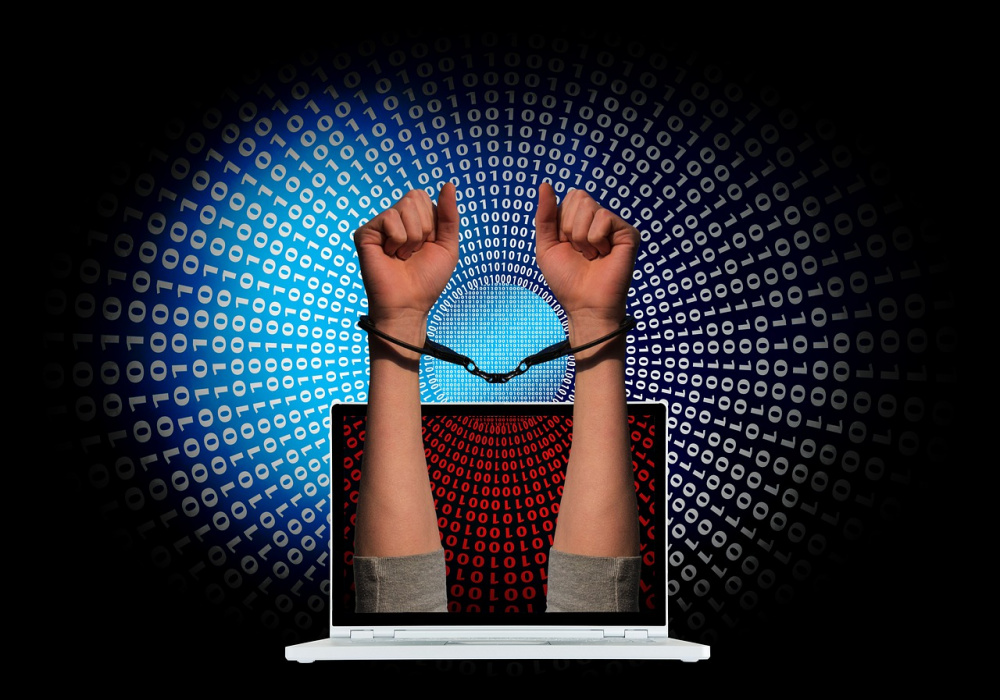
In an astonishing turn of events, a rising social media influencer known for her luxurious lifestyle and motivational content was arrested on Sunday in connection with a multi-crore online scam operation. The arrest has sent shockwaves across the digital world, particularly among her millions of followers who once admired her as a symbol of success and inspiration. The Arrest At approximately 6:30 a.m. on Sunday morning, a team from the Cyber Crime Division of the Criminal Investigation Department (CID) conducted a raid at a high-end apartment complex in Gulshan, Dhaka. The prime suspect, 26-year-old Shanta Rahman—popularly known as "Shanta Queen" on TikTok—was taken into custody along with her personal assistant and two IT technicians. CID officials confirmed that the arrest came after a month-long investigation into a syndicate involved in duping people through fake e-commerce sites, lottery schemes, and phishing scams. Preliminary evidence indicates that Shanta was not only the face of the operation but also the planner and main beneficiary. The Rise to Fame Shanta Rahman began her journey as a beauty content creator in early 2021, initially uploading makeup tutorials, fitness tips, and motivational speeches. Within a year, she had amassed over 1.8 million followers on TikTok and a substantial following on YouTube and Instagram. With her charming personality, designer outfits, and luxury lifestyle, Shanta quickly became a role model for thousands of young people. Brands flocked to sponsor her content, and her growing popularity even earned her interviews on local TV shows. But behind the glitz and glamour, investigators say, lay a carefully orchestrated digital scam. The Modus Operandi According to CID’s findings, Shanta and her team had been running a string of fake online platforms since late 2022. These included: Fake E-commerce Stores: Websites selling electronics and luxury goods at too-good-to-be-true prices, accepting payments but never delivering products. Lottery Scams: Victims were promised massive cash rewards after paying a “processing fee” or “tax” to claim their prize. Phishing Operations: Imitation websites of legitimate financial institutions were used to collect sensitive banking data from unsuspecting users. CID reports that the scam network affected over 4,500 victims nationwide, with estimated financial damages exceeding ৳18 crore (approximately $1.6 million). Digital forensics have revealed that the operation used highly sophisticated web tools and anonymizing technologies to avoid detection. Payments were routed through multiple bank accounts, most registered under fake national IDs. The Face of Fraud While Shanta initially gained popularity as a lifestyle content creator, by mid-2023, her content started promoting quick-money schemes under the guise of "digital entrepreneurship." She urged followers to invest in “online ventures,” offering video testimonials from so-called “successful investors”—many of whom are now believed to be actors or manipulated AI-generated clips. “She leveraged her influencer status to gain trust. Her followers believed in her, and that’s what made the scam so effective,” said CID Additional Deputy Commissioner of Police (Cyber Crimes), Md. Faruque Hossain. “We’re calling this a modern digital Ponzi scheme. She used the trust economy of social media to commit crimes,” he added. Victims Speak Out After the arrest, several victims came forward on social media and to the press. One of them, 32-year-old Rezaul Karim from Rajshahi, claimed to have lost over ৳70,000 after trying to buy a DSLR camera from one of Shanta's promoted e-commerce websites. “She seemed trustworthy. Her videos made her look so professional and confident. I never imagined she could be a scammer,” he lamented. Another victim, a university student in Chattogram, said he was lured into an online "digital course" scheme where participants had to pay a fee to learn how to "earn from home." The course had no real value and disappeared after a few weeks. What the Authorities Found During the raid, CID officials seized: 8 high-end smartphones and 4 laptops loaded with tracking software Multiple fake SIM cards and national ID copies Three POS machines and multiple debit cards A whiteboard outlining scam funnel strategies Digital forensic analysts are currently retrieving data from cloud storage linked to her devices, which are expected to yield further insights into the depth of the scam. Shanta’s Defense In an initial court appearance on Monday, Shanta denied all charges, claiming she was unaware of the illegal activities and was being framed. “I run a business. I am a content creator, not a criminal,” she said, breaking down in front of reporters. “I didn’t know my marketing team was using my brand for scams.” However, CID officers remain firm in their position, stating that they have found “incontrovertible evidence” of her direct involvement, including voice messages, email exchanges, and financial transactions routed to her personal account. Social Media Reaction News of the arrest sparked mixed reactions on social media. While some fans expressed disbelief and support using the hashtag #FreeShanta, others felt betrayed and angry. “She fooled thousands. I used to trust her completely,” one TikTok comment read. Several influencers and digital creators issued public statements distancing themselves from Shanta and urging their followers to be cautious about where they invest their money. Legal Proceedings Shanta has been placed on a five-day remand for further interrogation. CID has also announced that more arrests are expected in the coming days, as evidence suggests the scam was not run by Shanta alone but involved a wider network of digital marketers, IT experts, and money mules. If convicted under the Digital Security Act 2018 and Penal Code sections relating to fraud and cybercrime, Shanta could face up to 10 years in prison along with heavy fines. Legal experts note that this case may set a precedent for how Bangladesh handles online influencer-related frauds in the future. The Bigger Picture Experts in cybersecurity and digital law argue that this case highlights a growing problem: unregulated influencer marketing and the dark side of digital fame. “Many influencers now have more reach and trust than traditional celebrities. This influence comes with responsibility, and clearly, some are misusing it for personal gain,” said Professor Anika Hossain, a digital ethics researcher at Dhaka University. “There needs to be more regulation, verification, and oversight—both from platforms and authorities,” she added. Conclusion The fall of Shanta Rahman is a cautionary tale about the intersection of fame, influence, and crime in the digital age. What started as a story of entrepreneurial success and inspiration has unraveled into one of deceit, manipulation, and exploitation. As the legal process unfolds, thousands of victims await justice, and a country watches closely—wondering how many more "digital stars" are hiding shadows behind their shine.
In an astonishing turn of events, a rising social media influencer known for her luxurious lifestyle and motivational content was arrested on Sunday in connection with a multi-crore online scam operation. The arrest has sent shockwaves across the digital world, particularly among her millions of followers who once admired her as a symbol of success and inspiration. The Arrest At approximately 6:30 a.m. on Sunday morning, a team from the Cyber Crime Division of the Criminal Investigation Department (CID) conducted a raid at a high-end apartment complex in Gulshan, Dhaka. The prime suspect, 26-year-old Shanta Rahman—popularly known as "Shanta Queen" on TikTok—was taken into custody along with her personal assistant and two IT technicians. CID officials confirmed that the arrest came after a month-long investigation into a syndicate involved in duping people through fake e-commerce sites, lottery schemes, and phishing scams. Preliminary evidence indicates that Shanta was not only the face of the operation but also the planner and main beneficiary. The Rise to Fame Shanta Rahman began her journey as a beauty content creator in early 2021, initially uploading makeup tutorials, fitness tips, and motivational speeches. Within a year, she had amassed over 1.8 million followers on TikTok and a substantial following on YouTube and Instagram. With her charming personality, designer outfits, and luxury lifestyle, Shanta quickly became a role model for thousands of young people. Brands flocked to sponsor her content, and her growing popularity even earned her interviews on local TV shows. But behind the glitz and glamour, investigators say, lay a carefully orchestrated digital scam. The Modus Operandi According to CID’s findings, Shanta and her team had been running a string of fake online platforms since late 2022. These included: Fake E-commerce Stores: Websites selling electronics and luxury goods at too-good-to-be-true prices, accepting payments but never delivering products. Lottery Scams: Victims were promised massive cash rewards after paying a “processing fee” or “tax” to claim their prize. Phishing Operations: Imitation websites of legitimate financial institutions were used to collect sensitive banking data from unsuspecting users. CID reports that the scam network affected over 4,500 victims nationwide, with estimated financial damages exceeding ৳18 crore (approximately $1.6 million). Digital forensics have revealed that the operation used highly sophisticated web tools and anonymizing technologies to avoid detection. Payments were routed through multiple bank accounts, most registered under fake national IDs. The Face of Fraud While Shanta initially gained popularity as a lifestyle content creator, by mid-2023, her content started promoting quick-money schemes under the guise of "digital entrepreneurship." She urged followers to invest in “online ventures,” offering video testimonials from so-called “successful investors”—many of whom are now believed to be actors or manipulated AI-generated clips. “She leveraged her influencer status to gain trust. Her followers believed in her, and that’s what made the scam so effective,” said CID Additional Deputy Commissioner of Police (Cyber Crimes), Md. Faruque Hossain. “We’re calling this a modern digital Ponzi scheme. She used the trust economy of social media to commit crimes,” he added. Victims Speak Out After the arrest, several victims came forward on social media and to the press. One of them, 32-year-old Rezaul Karim from Rajshahi, claimed to have lost over ৳70,000 after trying to buy a DSLR camera from one of Shanta's promoted e-commerce websites. “She seemed trustworthy. Her videos made her look so professional and confident. I never imagined she could be a scammer,” he lamented. Another victim, a university student in Chattogram, said he was lured into an online "digital course" scheme where participants had to pay a fee to learn how to "earn from home." The course had no real value and disappeared after a few weeks. What the Authorities Found During the raid, CID officials seized: 8 high-end smartphones and 4 laptops loaded with tracking software Multiple fake SIM cards and national ID copies Three POS machines and multiple debit cards A whiteboard outlining scam funnel strategies Digital forensic analysts are currently retrieving data from cloud storage linked to her devices, which are expected to yield further insights into the depth of the scam. Shanta’s Defense In an initial court appearance on Monday, Shanta denied all charges, claiming she was unaware of the illegal activities and was being framed. “I run a business. I am a content creator, not a criminal,” she said, breaking down in front of reporters. “I didn’t know my marketing team was using my brand for scams.” However, CID officers remain firm in their position, stating that they have found “incontrovertible evidence” of her direct involvement, including voice messages, email exchanges, and financial transactions routed to her personal account. Social Media Reaction News of the arrest sparked mixed reactions on social media. While some fans expressed disbelief and support using the hashtag #FreeShanta, others felt betrayed and angry. “She fooled thousands. I used to trust her completely,” one TikTok comment read. Several influencers and digital creators issued public statements distancing themselves from Shanta and urging their followers to be cautious about where they invest their money. Legal Proceedings Shanta has been placed on a five-day remand for further interrogation. CID has also announced that more arrests are expected in the coming days, as evidence suggests the scam was not run by Shanta alone but involved a wider network of digital marketers, IT experts, and money mules. If convicted under the Digital Security Act 2018 and Penal Code sections relating to fraud and cybercrime, Shanta could face up to 10 years in prison along with heavy fines. Legal experts note that this case may set a precedent for how Bangladesh handles online influencer-related frauds in the future. The Bigger Picture Experts in cybersecurity and digital law argue that this case highlights a growing problem: unregulated influencer marketing and the dark side of digital fame. “Many influencers now have more reach and trust than traditional celebrities. This influence comes with responsibility, and clearly, some are misusing it for personal gain,” said Professor Anika Hossain, a digital ethics researcher at Dhaka University. “There needs to be more regulation, verification, and oversight—both from platforms and authorities,” she added. Conclusion The fall of Shanta Rahman is a cautionary tale about the intersection of fame, influence, and crime in the digital age. What started as a story of entrepreneurial success and inspiration has unraveled into one of deceit, manipulation, and exploitation. As the legal process unfolds, thousands of victims await justice, and a country watches closely—wondering how many more "digital stars" are hiding shadows behind their shine.

In an astonishing turn of events, a rising social media influencer known for her luxurious lifestyle and motivational content was arrested on Sunday in connection with a multi-crore online scam operation. The arrest has sent shockwaves across the digital world, particularly among her millions of followers who once admired her as a symbol of success and inspiration. The Arrest At approximately 6:30 a.m. on Sunday morning, a team from the Cyber Crime Division of the Criminal Investigation Department (CID) conducted a raid at a high-end apartment complex in Gulshan, Dhaka. The prime suspect, 26-year-old Shanta Rahman—popularly known as "Shanta Queen" on TikTok—was taken into custody along with her personal assistant and two IT technicians. CID officials confirmed that the arrest came after a month-long investigation into a syndicate involved in duping people through fake e-commerce sites, lottery schemes, and phishing scams. Preliminary evidence indicates that Shanta was not only the face of the operation but also the planner and main beneficiary. The Rise to Fame Shanta Rahman began her journey as a beauty content creator in early 2021, initially uploading makeup tutorials, fitness tips, and motivational speeches. Within a year, she had amassed over 1.8 million followers on TikTok and a substantial following on YouTube and Instagram. With her charming personality, designer outfits, and luxury lifestyle, Shanta quickly became a role model for thousands of young people. Brands flocked to sponsor her content, and her growing popularity even earned her interviews on local TV shows. But behind the glitz and glamour, investigators say, lay a carefully orchestrated digital scam. The Modus Operandi According to CID’s findings, Shanta and her team had been running a string of fake online platforms since late 2022. These included: Fake E-commerce Stores: Websites selling electronics and luxury goods at too-good-to-be-true prices, accepting payments but never delivering products. Lottery Scams: Victims were promised massive cash rewards after paying a “processing fee” or “tax” to claim their prize. Phishing Operations: Imitation websites of legitimate financial institutions were used to collect sensitive banking data from unsuspecting users. CID reports that the scam network affected over 4,500 victims nationwide, with estimated financial damages exceeding ৳18 crore (approximately $1.6 million). Digital forensics have revealed that the operation used highly sophisticated web tools and anonymizing technologies to avoid detection. Payments were routed through multiple bank accounts, most registered under fake national IDs. The Face of Fraud While Shanta initially gained popularity as a lifestyle content creator, by mid-2023, her content started promoting quick-money schemes under the guise of "digital entrepreneurship." She urged followers to invest in “online ventures,” offering video testimonials from so-called “successful investors”—many of whom are now believed to be actors or manipulated AI-generated clips. “She leveraged her influencer status to gain trust. Her followers believed in her, and that’s what made the scam so effective,” said CID Additional Deputy Commissioner of Police (Cyber Crimes), Md. Faruque Hossain. “We’re calling this a modern digital Ponzi scheme. She used the trust economy of social media to commit crimes,” he added. Victims Speak Out After the arrest, several victims came forward on social media and to the press. One of them, 32-year-old Rezaul Karim from Rajshahi, claimed to have lost over ৳70,000 after trying to buy a DSLR camera from one of Shanta's promoted e-commerce websites. “She seemed trustworthy. Her videos made her look so professional and confident. I never imagined she could be a scammer,” he lamented. Another victim, a university student in Chattogram, said he was lured into an online "digital course" scheme where participants had to pay a fee to learn how to "earn from home." The course had no real value and disappeared after a few weeks. What the Authorities Found During the raid, CID officials seized: 8 high-end smartphones and 4 laptops loaded with tracking software Multiple fake SIM cards and national ID copies Three POS machines and multiple debit cards A whiteboard outlining scam funnel strategies Digital forensic analysts are currently retrieving data from cloud storage linked to her devices, which are expected to yield further insights into the depth of the scam. Shanta’s Defense In an initial court appearance on Monday, Shanta denied all charges, claiming she was unaware of the illegal activities and was being framed. “I run a business. I am a content creator, not a criminal,” she said, breaking down in front of reporters. “I didn’t know my marketing team was using my brand for scams.” However, CID officers remain firm in their position, stating that they have found “incontrovertible evidence” of her direct involvement, including voice messages, email exchanges, and financial transactions routed to her personal account. Social Media Reaction News of the arrest sparked mixed reactions on social media. While some fans expressed disbelief and support using the hashtag #FreeShanta, others felt betrayed and angry. “She fooled thousands. I used to trust her completely,” one TikTok comment read. Several influencers and digital creators issued public statements distancing themselves from Shanta and urging their followers to be cautious about where they invest their money. Legal Proceedings Shanta has been placed on a five-day remand for further interrogation. CID has also announced that more arrests are expected in the coming days, as evidence suggests the scam was not run by Shanta alone but involved a wider network of digital marketers, IT experts, and money mules. If convicted under the Digital Security Act 2018 and Penal Code sections relating to fraud and cybercrime, Shanta could face up to 10 years in prison along with heavy fines. Legal experts note that this case may set a precedent for how Bangladesh handles online influencer-related frauds in the future. The Bigger Picture Experts in cybersecurity and digital law argue that this case highlights a growing problem: unregulated influencer marketing and the dark side of digital fame. “Many influencers now have more reach and trust than traditional celebrities. This influence comes with responsibility, and clearly, some are misusing it for personal gain,” said Professor Anika Hossain, a digital ethics researcher at Dhaka University. “There needs to be more regulation, verification, and oversight—both from platforms and authorities,” she added. Conclusion The fall of Shanta Rahman is a cautionary tale about the intersection of fame, influence, and crime in the digital age. What started as a story of entrepreneurial success and inspiration has unraveled into one of deceit, manipulation, and exploitation. As the legal process unfolds, thousands of victims await justice, and a country watches closely—wondering how many more "digital stars" are hiding shadows behind their shine.

In an astonishing turn of events, a rising social media influencer known for her luxurious lifestyle and motivational content was arrested on Sunday in connection with a multi-crore online scam operation. The arrest has sent shockwaves across the digital world, particularly among her millions of followers who once admired her as a symbol of success and inspiration. The Arrest At approximately 6:30 a.m. on Sunday morning, a team from the Cyber Crime Division of the Criminal Investigation Department (CID) conducted a raid at a high-end apartment complex in Gulshan, Dhaka. The prime suspect, 26-year-old Shanta Rahman—popularly known as "Shanta Queen" on TikTok—was taken into custody along with her personal assistant and two IT technicians. CID officials confirmed that the arrest came after a month-long investigation into a syndicate involved in duping people through fake e-commerce sites, lottery schemes, and phishing scams. Preliminary evidence indicates that Shanta was not only the face of the operation but also the planner and main beneficiary. The Rise to Fame Shanta Rahman began her journey as a beauty content creator in early 2021, initially uploading makeup tutorials, fitness tips, and motivational speeches. Within a year, she had amassed over 1.8 million followers on TikTok and a substantial following on YouTube and Instagram. With her charming personality, designer outfits, and luxury lifestyle, Shanta quickly became a role model for thousands of young people. Brands flocked to sponsor her content, and her growing popularity even earned her interviews on local TV shows. But behind the glitz and glamour, investigators say, lay a carefully orchestrated digital scam. The Modus Operandi According to CID’s findings, Shanta and her team had been running a string of fake online platforms since late 2022. These included: Fake E-commerce Stores: Websites selling electronics and luxury goods at too-good-to-be-true prices, accepting payments but never delivering products. Lottery Scams: Victims were promised massive cash rewards after paying a “processing fee” or “tax” to claim their prize. Phishing Operations: Imitation websites of legitimate financial institutions were used to collect sensitive banking data from unsuspecting users. CID reports that the scam network affected over 3000 fictitious stories. with estimated financial damages exceeding. Digital forensics have revealed that the operation used highly sophisticated web tools and anonymizing technologies to avoid detection. Payments were routed through multiple bank accounts, most registered under fake national IDs. The Face of Fraud While Shanta initially gained popularity as a lifestyle content creator, by mid-2023, her content started promoting quick-money schemes under the guise of "digital entrepreneurship." She urged followers to invest in “online ventures,” offering video testimonials from so-called “successful investors”—many of whom are now believed to be actors or manipulated AI-generated clips. “She leveraged her influencer status to gain trust. Her followers believed in her, and that’s what made the scam so effective,” said CID Additional Deputy Commissioner of Police (Cyber Crimes), Md. Faruque Hossain. “We’re calling this a modern digital Ponzi scheme. She used the trust economy of social media to commit crimes,” he added. Victims Speak Out After the arrest, several victims came forward on social media and to the press. One of them, 32-year-old Rezaul Karim from Rajshahi, claimed to have lost over ৳70,000 after trying to buy a DSLR camera from one of Shanta's promoted e-commerce websites. “She seemed trustworthy. Her videos made her look so professional and confident. I never imagined she could be a scammer,” he lamented. Another victim, a university student in Chattogram, said he was lured into an online "digital course" scheme where participants had to pay a fee to learn how to "earn from home." The course had no real value and disappeared after a few weeks. What the Authorities Found During the raid, CID officials seized: 8 high-end smartphones and 4 laptops loaded with tracking software Multiple fake SIM cards and national ID copies Three POS machines and multiple debit cards A whiteboard outlining scam funnel strategies Digital forensic analysts are currently retrieving data from cloud storage linked to her devices, which are expected to yield further insights into the depth of the scam. Shanta’s Defense In an initial court appearance on Monday, Shanta denied all charges, claiming she was unaware of the illegal activities and was being framed. “I run a business. I am a content creator, not a criminal,” she said, breaking down in front of reporters. “I didn’t know my marketing team was using my brand for scams.” However, CID officers remain firm in their position, stating that they have found “incontrovertible evidence” of her direct involvement, including voice messages, email exchanges, and financial transactions routed to her personal account. Social Media Reaction News of the arrest sparked mixed reactions on social media. While some fans expressed disbelief and support using the hashtag #FreeShanta, others felt betrayed and angry. “She fooled thousands. I used to trust her completely,” one TikTok comment read. Several influencers and digital creators issued public statements distancing themselves from Shanta and urging their followers to be cautious about where they invest their money. Legal Proceedings Shanta has been placed on a five-day remand for further interrogation. CID has also announced that more arrests are expected in the coming days, as evidence suggests the scam was not run by Shanta alone but involved a wider network of digital marketers, IT experts, and money mules. If convicted under the Digital Security Act 2018 and Penal Code sections relating to fraud and cybercrime, Shanta could face up to 10 years in prison along with heavy fines. Legal experts note that this case may set a precedent for how Bangladesh handles online influencer-related frauds in the future. The Bigger Picture Experts in cybersecurity and digital law argue that this case highlights a growing problem: unregulated influencer marketing and the dark side of digital fame. “Many influencers now have more reach and trust than traditional celebrities. This influence comes with responsibility, and clearly, some are misusing it for personal gain,” said Professor Anika Hossain, a digital ethics researcher at Dhaka University. There needs to be more regulation, verification, and oversight—both from platforms and authorities,” she added. Conclusion The fall of Shanta Rahman is a cautionary tale about the intersection of fame, influence, and crime in the digital age. What started as a story of entrepreneurial success and inspiration has unraveled into one of deceit, manipulation, and exploitation. As the legal process unfolds, thousands of victims await justice, and a country watches closely—wondering how many more "digital stars" are hiding shadows behind their shine.

In an astonishing turn of events, a rising social media influencer known for her luxurious lifestyle and motivational content was arrested on Sunday in connection with a multi-crore online scam operation. The arrest has sent shockwaves across the digital world, particularly among her millions of followers who once admired her as a symbol of success and inspiration. The Arrest At approximately 6:30 a.m. on Sunday morning, a team from the Cyber Crime Division of the Criminal Investigation Department (CID) conducted a raid at a high-end apartment complex in Gulshan, Dhaka. The prime suspect, 26-year-old Shanta Rahman—popularly known as "Shanta Queen" on TikTok—was taken into custody along with her personal assistant and two IT technicians. CID officials confirmed that the arrest came after a month-long investigation into a syndicate involved in duping people through fake e-commerce sites, lottery schemes, and phishing scams. Preliminary evidence indicates that Shanta was not only the face of the operation but also the planner and main beneficiary. The Rise to Fame Shanta Rahman began her journey as a beauty content creator in early 2021, initially uploading makeup tutorials, fitness tips, and motivational speeches. Within a year, she had amassed over 1.8 million followers on TikTok and a substantial following on YouTube and Instagram. With her charming personality, designer outfits, and luxury lifestyle, Shanta quickly became a role model for thousands of young people. Brands flocked to sponsor her content, and her growing popularity even earned her interviews on local TV shows. But behind the glitz and glamour, investigators say, lay a carefully orchestrated digital scam. The Modus Operandi According to CID’s findings, Shanta and her team had been running a string of fake online platforms since late 2022. These included: Fake E-commerce Stores: Websites selling electronics and luxury goods at too-good-to-be-true prices, accepting payments but never delivering products. Lottery Scams: Victims were promised massive cash rewards after paying a “processing fee” or “tax” to claim their prize. Phishing Operations: Imitation websites of legitimate financial institutions were used to collect sensitive banking data from unsuspecting users. CID reports that the scam network affected over 4,500 victims nationwide, with estimated financial damages exceeding ৳18 crore (approximately $1.6 million). Digital forensics have revealed that the operation used highly sophisticated web tools and anonymizing technologies to avoid detection. Payments were routed through multiple bank accounts, most registered under fake national IDs. The Face of Fraud While Shanta initially gained popularity as a lifestyle content creator, by mid-2023, her content started promoting quick-money schemes under the guise of "digital entrepreneurship." She urged followers to invest in “online ventures,” offering video testimonials from so-called “successful investors”—many of whom are now believed to be actors or manipulated AI-generated clips. “She leveraged her influencer status to gain trust. Her followers believed in her, and that’s what made the scam so effective,” said CID Additional Deputy Commissioner of Police (Cyber Crimes), Md. Faruque Hossain. “We’re calling this a modern digital Ponzi scheme. She used the trust economy of social media to commit crimes,” he added. Victims Speak Out After the arrest, several victims came forward on social media and to the press. One of them, 32-year-old Rezaul Karim from Rajshahi, claimed to have lost over ৳70,000 after trying to buy a DSLR camera from one of Shanta's promoted e-commerce websites. “She seemed trustworthy. Her videos made her look so professional and confident. I never imagined she could be a scammer,” he lamented. Another victim, a university student in Chattogram, said he was lured into an online "digital course" scheme where participants had to pay a fee to learn how to "earn from home." The course had no real value and disappeared after a few weeks. What the Authorities Found During the raid, CID officials seized: 8 high-end smartphones and 4 laptops loaded with tracking software Multiple fake SIM cards and national ID copies Three POS machines and multiple debit cards A whiteboard outlining scam funnel strategies Digital forensic analysts are currently retrieving data from cloud storage linked to her devices, which are expected to yield further insights into the depth of the scam. Shanta’s Defense In an initial court appearance on Monday, Shanta denied all charges, claiming she was unaware of the illegal activities and was being framed. “I run a business. I am a content creator, not a criminal,” she said, breaking down in front of reporters. “I didn’t know my marketing team was using my brand for scams.” However, CID officers remain firm in their position, stating that they have found “incontrovertible evidence” of her direct involvement, including voice messages, email exchanges, and financial transactions routed to her personal account. Social Media Reaction News of the arrest sparked mixed reactions on social media. While some fans expressed disbelief and support using the hashtag #FreeShanta, others felt betrayed and angry. “She fooled thousands. I used to trust her completely,” one TikTok comment read. Several influencers and digital creators issued public statements distancing themselves from Shanta and urging their followers to be cautious about where they invest their money. Legal Proceedings Shanta has been placed on a five-day remand for further interrogation. CID has also announced that more arrests are expected in the coming days, as evidence suggests the scam was not run by Shanta alone but involved a wider network of digital marketers, IT experts, and money mules. If convicted under the Digital Security Act 2018 and Penal Code sections relating to fraud and cybercrime, Shanta could face up to 10 years in prison along with heavy fines. Legal experts note that this case may set a precedent for how Bangladesh handles online influencer-related frauds in the future. The Bigger Picture Experts in cybersecurity and digital law argue that this case highlights a growing problem: unregulated influencer marketing and the dark side of digital fame. “Many influencers now have more reach and trust than traditional celebrities. This influence comes with responsibility, and clearly, some are misusing it for personal gain,” said Professor Anika Hossain, a digital ethics researcher at Dhaka University. “There needs to be more regulation, verification, and oversight—both from platforms and authorities,” she added. Conclusion The fall of Shanta Rahman is a cautionary tale about the intersection of fame, influence, and crime in the digital age. What started as a story of entrepreneurial success and inspiration has unraveled into one of deceit, manipulation, and exploitation. As the legal process unfolds, thousands of victims await justice, and a country watches closely—wondering how many more "digital stars" are hiding shadows behind their shine.
He says fast-moving development must to give safety measures time to catch up.

A 54-year-old Greek woman has given birth to a baby girl from an embryo frozen for 22 years

Lawmakers are demanding information from OpenAI with separate queries that underscore growing concerns in Washington about the potential for artificial intelligence programs eluding human control
California Gov. Gavin Newsom has signed laws aimed at protecting children from the potential harms of social media and AI chatbots

A new study shows that little, wrinkly Mercury may be shrinking faster than expected

Key figures from Europe’s space industry and other international players have converged on Paris to discuss how to advance the continent’s ambitions in a global market dominated by the United States

The two NASA astronauts who led the Artemis II moonshot earlier this year are leaving spaceflight behind
Facebook is on trial in New Mexico over privacy concerns linked to the 2016 election

Some people fired in the wake of Kirk's assassination have won big settlements from employers, others have had to start over from scratch.

Meena Geltink and Minal Tijssen were adopted from orphanages in Mumbai in the 1980s and grew up in the Netherlands.

Nobody could have predicted that today's main global headline would be Trump's desire to see a unified Ireland.

The legal US resident was never charged with a crime, but was deported due to her family links to terrorism.

The call comes amid growing concerns that AI models may become able to inflict serious damage worldwide.

Dayana Yastremska says her flat took a "direct hit" by a Russian missile in Odesa, and all that left was her Roland Garros towel.

Ten people were evacuated from the home in Araucanía region in central Chile.

Officials are not ruling out "outside interference", while the company says the blaze at its site was sabotage.

The iPhone Duo is Apple’s most exciting phone in years, but I’m wondering who is actually going to buy it.

The iPhone 18 Pro is now up for preorder at Verizon with some tempting deals — here's how to get the biggest saving possible.

T-Mobile’s iPhone 18 Pro deals keep pace with rivals, but one offer stands out for most people today.

Ready to upgrade? Here are all the best iPhone 18 Pro and 18 Pro Max deals to preorder today.

Don't scrimp on your Duo case — these covers are all from respected brands your can trust.

Before you buy the iPhone 18 Pro or iPhone Duo for a lower price overseas, there are several things you should be aware of.

The Google Pixel tablet is no more, Google appears to have pulled it from its online store.

Sturdy and stylish cases from trustworthy brands like Mous, CASETiFY, Spigen and more.

Here are hints and the answers for today’s NYT Strands puzzle, No. 924 for Sunday, Sept. 13, 2026.

News and trailers from Blizzard’s opening ceremony.

An innocent video on Instagram has gone viral and triggered a major privacy scare.

Make no mistake: This is not a Chromebook, and it won’t be cheap.

Built to highlight real-life surveillance, the mod includes 235 virtual cameras that you can destroy for in-game cash.

It’s the folding phone that launched a thousand takes.

A recent report alleges Anthropic is finding ways to monitor activists and surveil dissent.

The anime and live sports streaming services come together for a limited time for $23 per month.

Denisovan remains discovered in southwestern China reveal that Yunnan province’s warm, biodiverse plateau was a “hunting paradise” for the hominins during a global glacial period, according to new research published in the journal Nature. Within the region’s coniferous forests and forest-steppe environments, this archaic human group established a stable subsistence pattern highly adapted to local resources through specialised hunting and the intensive exploitation of animals. The extinct...
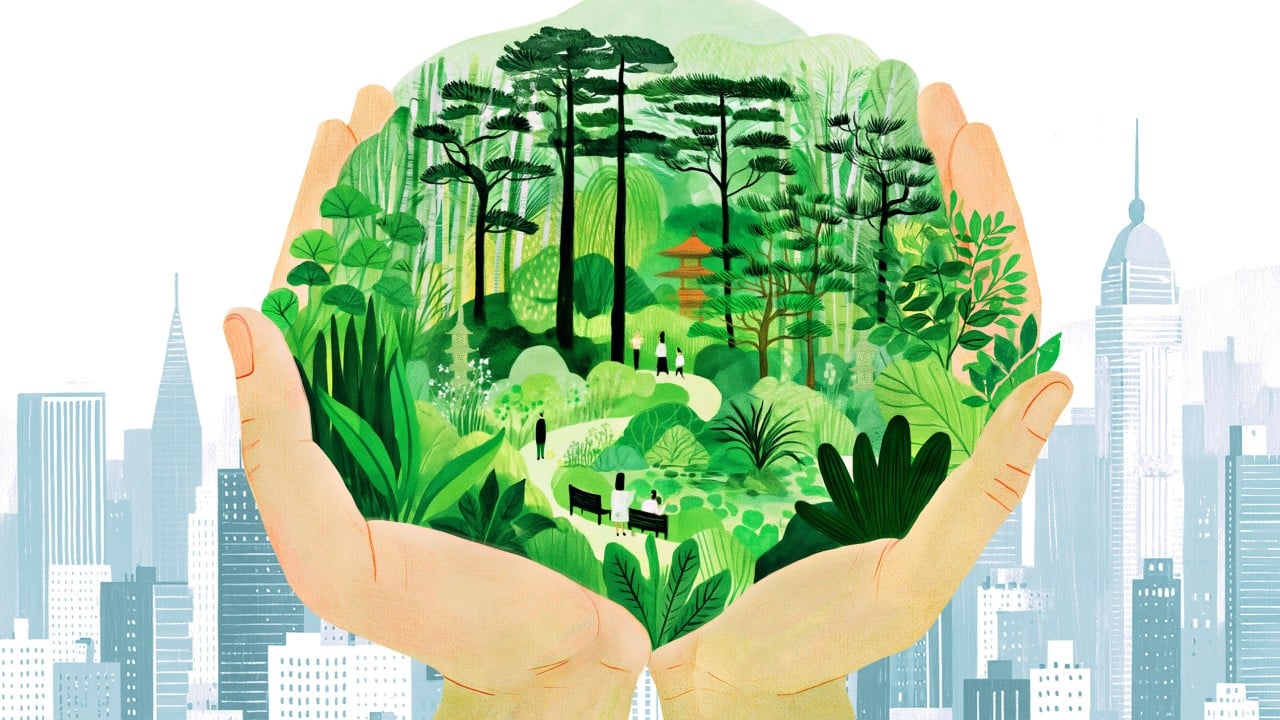
Some of my earliest memories of Bengaluru, where I spent my summer holidays, are of looking up in wonder at the towering canopy of trees in Cubbon Park. Even in the height of summer, Bengaluru could be cool enough to require a light jacket. Today, the iconic Cubbon Park, the pride of the city I now call home, is under threat. So is Lalbagh Botanical Garden, another of the city’s iconic green spaces, with roots stretching back more than 250 years. On a Sunday morning in Bengaluru last month,...
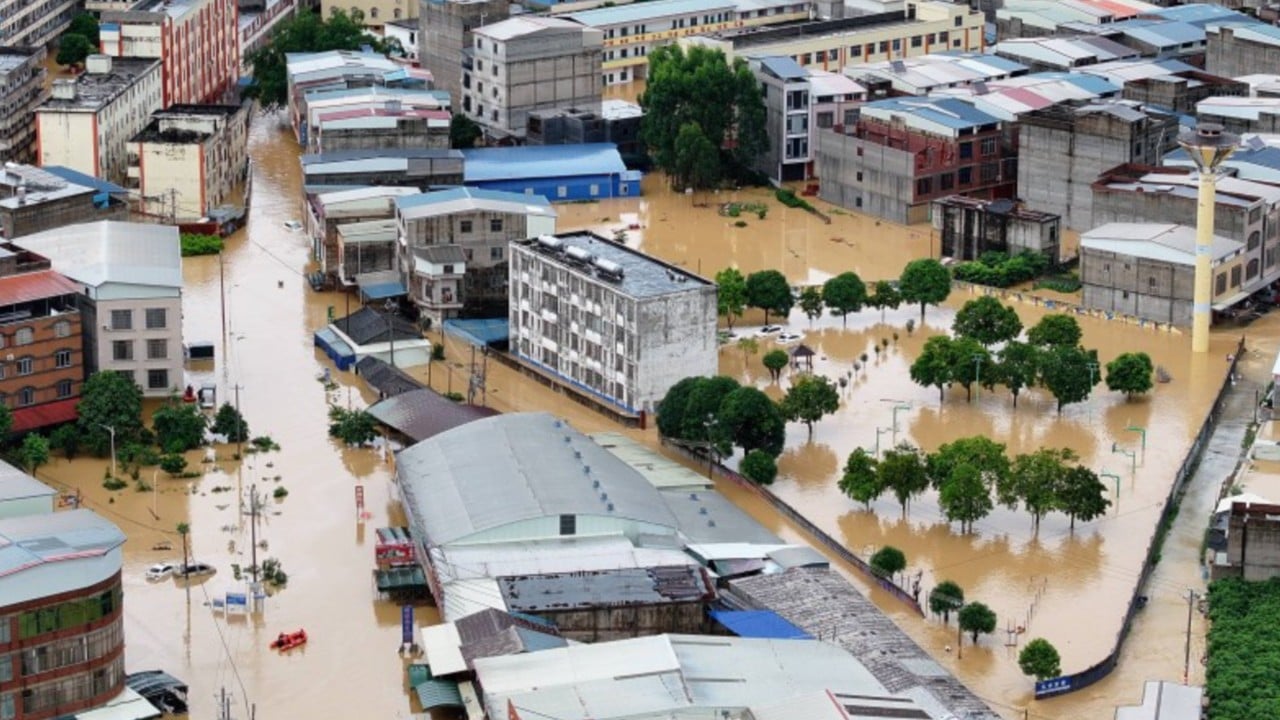
A Chinese influencer faced widespread criticism after a purported donation of 1 million yuan (US$150,000) to flood relief efforts was allegedly revealed as fabricated. Since July, typhoon-induced torrential rains have ravaged the Guangxi Zhuang autonomous region in southern China, resulting in the deaths of 159 people, according to local reports. On September 7, internet users accused a RedNote influencer known as Anlan of fabricating a donation record for flood relief in Guangxi, sharing...
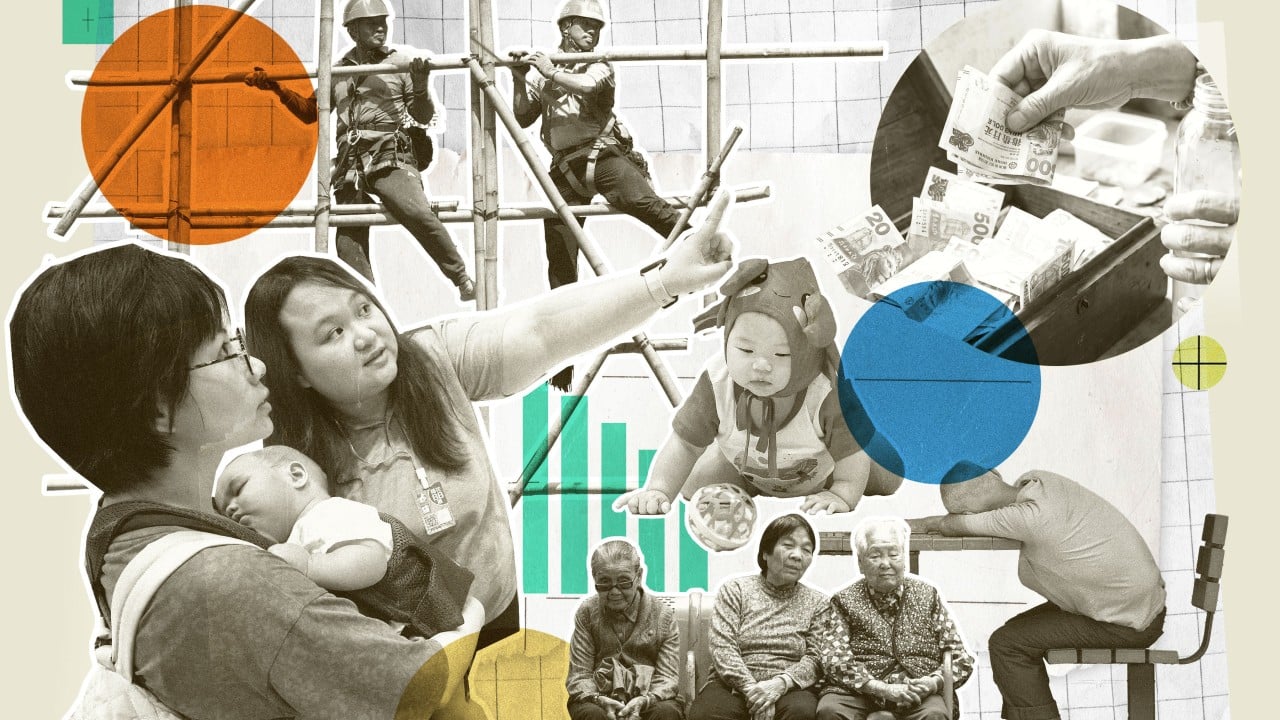
In the fourth of our series of previews on the five-year plan and policy address, to be announced on September 16, Fiona Sun and Edith Lin analyse how to improve livelihoods in the city by tackling the impact of demographic changes and technological advancement. Read part one here, part two here and part three here. Twenty-eight-year-old Hong Kong resident Fong and his wife want to have a child but he knows they cannot afford one for now. He earns about HK$10,000 (US$1,275) a month as a...
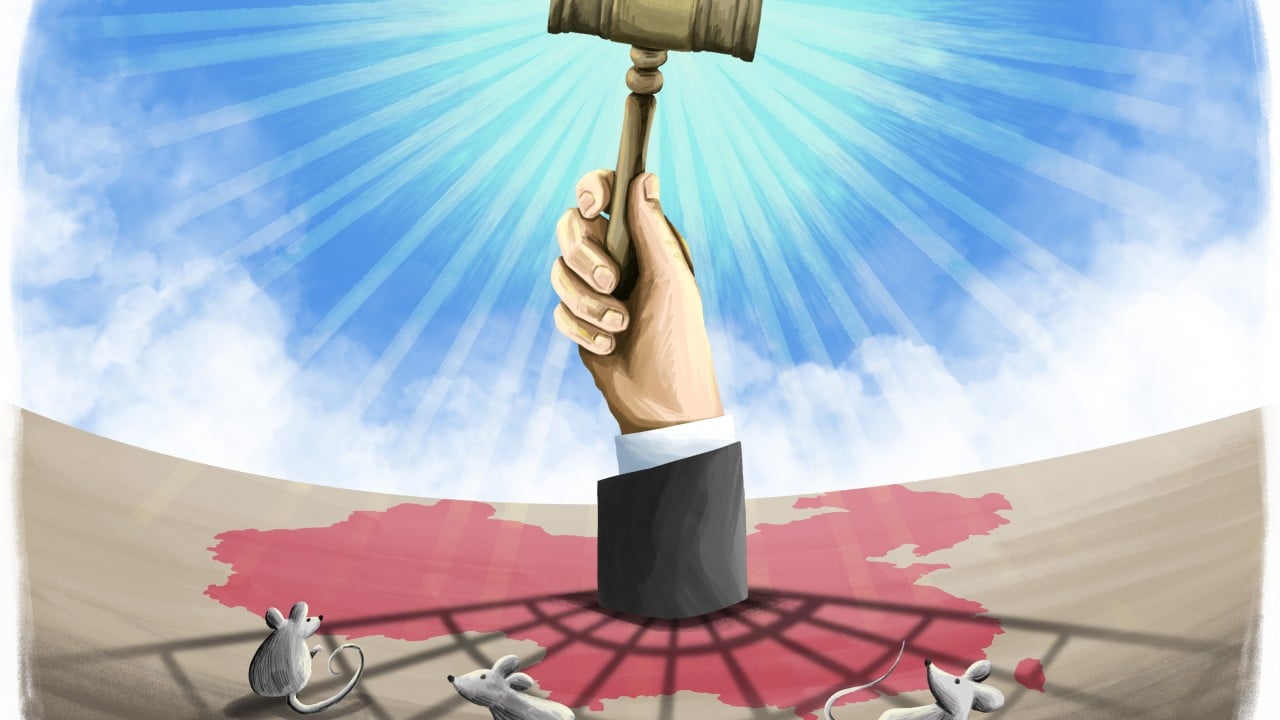
China’s new draft law on combating cross-border corruption is as much a weapon against foreign interference as it is a tool against illicit financial flows, analysts say. The draft sets out ways to block extraterritorial investigations and to retaliate against foreign anti-corruption enforcement, drawing a firm legal boundary against foreign jurisdictions while establishing its own mechanism to police overseas assets. In doing so, legal specialists warn, Beijing is also creating a double-edged...
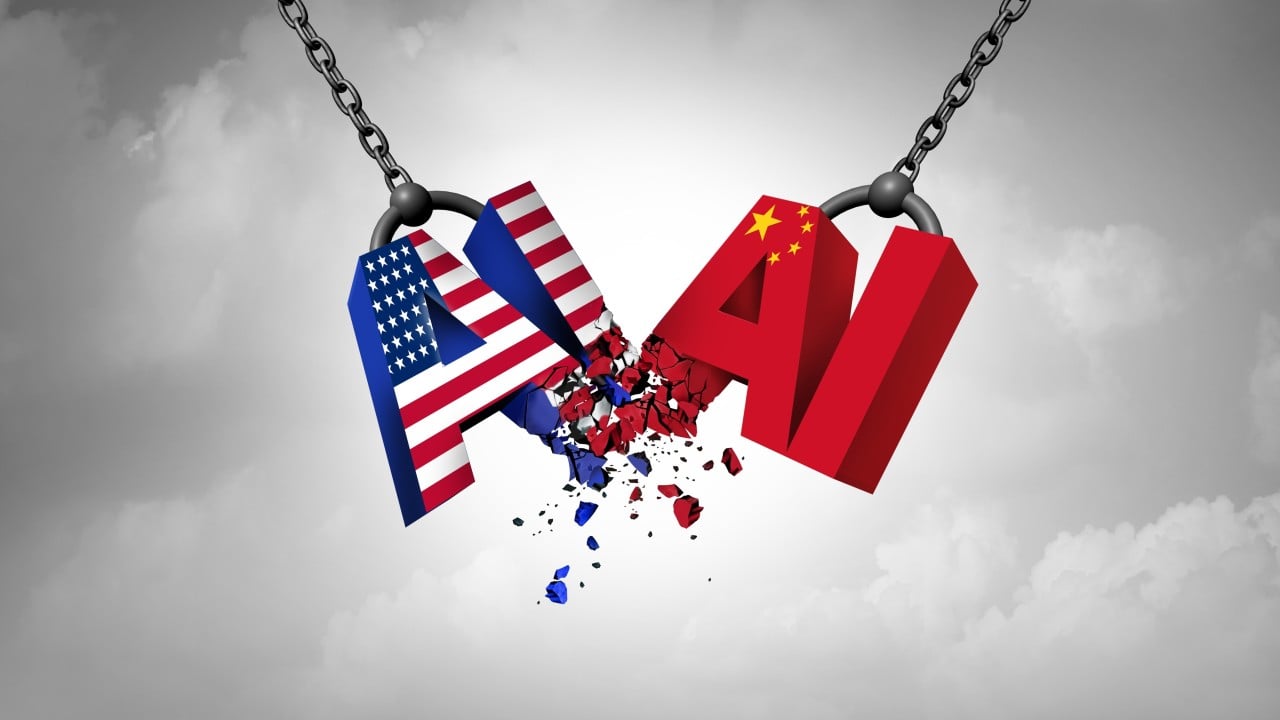
The US-China race for artificial intelligence dominance has entered a new phase: using AI to build better AI. Leading AI companies in the United States and China are increasingly focused on deploying advanced models to write code, design experiments, and develop training techniques that can be used to improve more powerful models. The ultimate goal is to achieve what the industry refers to as recursive self-improvement (RSI) – the creation of AI systems that can train themselves...

Bessie* left the Philippines for Malaysia more than a decade ago to care for other people’s children. She stayed to look after their parents instead. Certified as a carer, she now freelances around Kuala Lumpur’s Klang Valley, earning up to 25 ringgit (US$6) an hour for round-the-clock shifts, with clients providing her meals, transport and housing. “My former employer was very understanding and offered to release me earlier so I could earn a higher salary as a caregiver,” the 50-year-old...

Houthi fighters on Sunday said they used drones and missiles to attack a military base in southern Saudi Arabia as renewed fighting with Yemen’s government forces forced growing numbers of civilians to flee. The attack at the southern Sharurah base targeted “weapons depots and command and control centres that are managing the aggression against our nation and people”, Houthi military spokesman Yahya Saree said on social media. The date of the operation was not specified. Clashes have increased...

<img alt="Preview" align="left" src="https://mf.b37mrtl.ru/files/2026.09/thumbnail/6aa5b5c22030270adc2bca14.png"> A major blaze has ripped through an ammo depot of a Bulgarian arms company involved in supplying Ukraine <br><a href="https://www.rt.com/news/645613-bulgaria-ammo-depot-fire/?utm_source=rss&utm_medium=rss&utm_campaign=RSS">Read Full Article at RT.com</a>
<img alt="Preview" align="left" src="https://mf.b37mrtl.ru/files/2026.09/thumbnail/6aa5f20e20302710a720554d.jpg"> The US Justice Department is nearing a plea deal with a former intelligence official accused of embezzling $40 million in government gold <br><a href="https://www.rt.com/news/645616-cia-agent-gold-bars/?utm_source=rss&utm_medium=rss&utm_campaign=RSS">Read Full Article at RT.com</a>

<img alt="Preview" align="left" src="https://mf.b37mrtl.ru/files/2026.09/thumbnail/6aa5d16985f54078b851fc7a.jpg"> Yemen’s Houthis have asked Washington not to intervene in their escalating conflict with Saudi Arabia, President Donald Trump has said <br><a href="https://www.rt.com/news/645614-houthis-trump-saudi-fight/?utm_source=rss&utm_medium=rss&utm_campaign=RSS">Read Full Article at RT.com</a>

<img alt="Preview" align="left" src="https://mf.b37mrtl.ru/files/2026.09/thumbnail/6aa5956685f5405ba44ed854.jpg"> UK-based Revolut online bank has reportedly disclosed sensitive customer information after falling for a textbook imposter scam <br><a href="https://www.rt.com/news/645602-revolut-scam-customer-information/?utm_source=rss&utm_medium=rss&utm_campaign=RSS">Read Full Article at RT.com</a>
<img alt="Preview" align="left" src="https://mf.b37mrtl.ru/files/2026.09/thumbnail/6aa579b7203027138c438a7a.jpg"> The Republic of Ireland and the UK’s Northern Ireland will eventually be reunified, US President Donald Trump has predicted <br><a href="https://www.rt.com/news/645596-ireland-will-be-reunified-trump/?utm_source=rss&utm_medium=rss&utm_campaign=RSS">Read Full Article at RT.com</a>

<img alt="Preview" align="left" src="https://mf.b37mrtl.ru/files/2026.09/thumbnail/6aa3f96b85f5405803735fc7.jpg"> Russia showcased the Su-57E, Yak-130M and new drone missiles at El Alamein Airshow 2026, drawing buyers worldwide despite Western sanctions <br><a href="https://www.rt.com/news/645475-el-alamein-international-airshow-2026/?utm_source=rss&utm_medium=rss&utm_campaign=RSS">Read Full Article at RT.com</a>
<img alt="Preview" align="left" src="https://mf.b37mrtl.ru/files/2026.09/thumbnail/6aa55c4485f54075ad0fc8f7.jpg"> Vladivostok is anchoring Moscow’s turn to Asia through ports, industry, transport and trade ties that sanctions can’t stop <br><a href="https://www.rt.com/news/645586-russia-far-east-isolation/?utm_source=rss&utm_medium=rss&utm_campaign=RSS">Read Full Article at RT.com</a>

<img alt="Preview" align="left" src="https://mf.b37mrtl.ru/files/2026.09/thumbnail/6aa552fb85f54055f3658d1e.jpg"> A documentary alleging Israel used AI to target Palestinians in Gaza has received a record ovation <br><a href="https://www.rt.com/news/645587-israel-used-ai-kill-palestinians/?utm_source=rss&utm_medium=rss&utm_campaign=RSS">Read Full Article at RT.com</a>
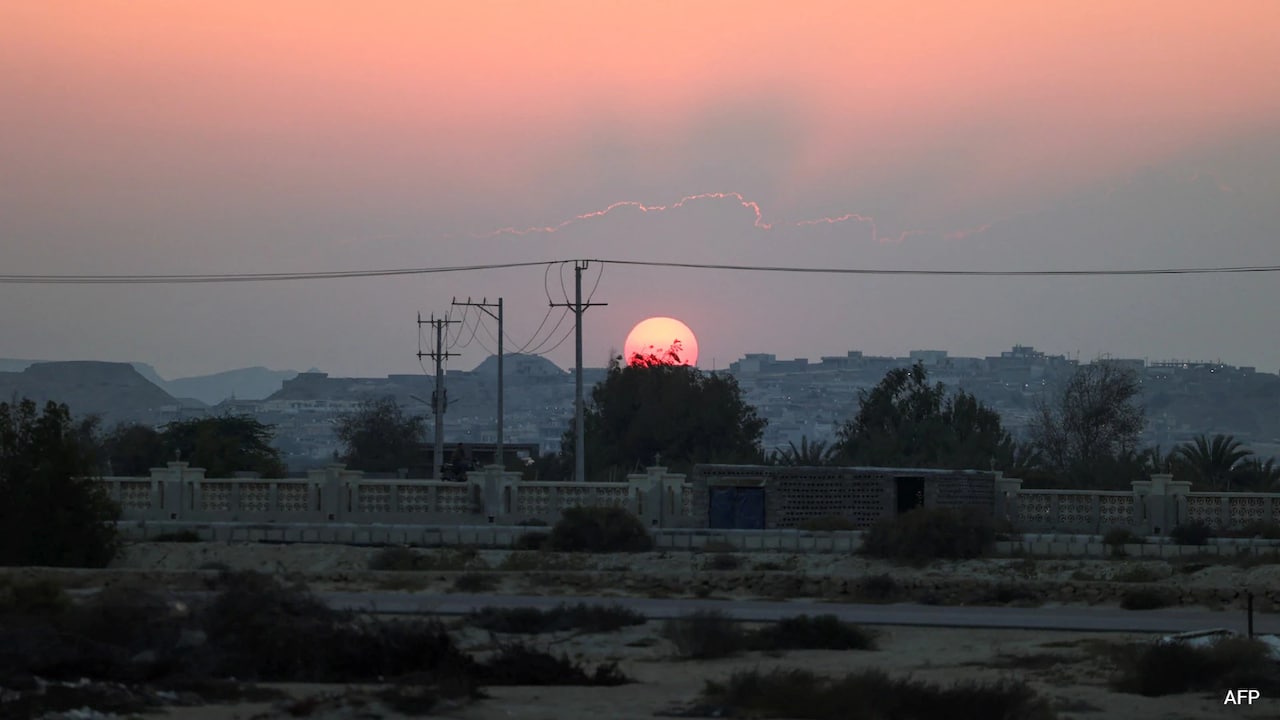
In recent weeks, Iran has been targeting oil tankers passing through the strategic waterway as well as US bases in the Gulf countries.

The appearance brought two of Tamil cinema's most prominent figures together at one of Britain's best-known motorsport venues, although in very different roles.

Anthropic boss Dario Amodei's cautionary blog started the call for a slowdown; OpenAI chief Sam Altman and xAI boss Elon Musk then nodded in X posts.
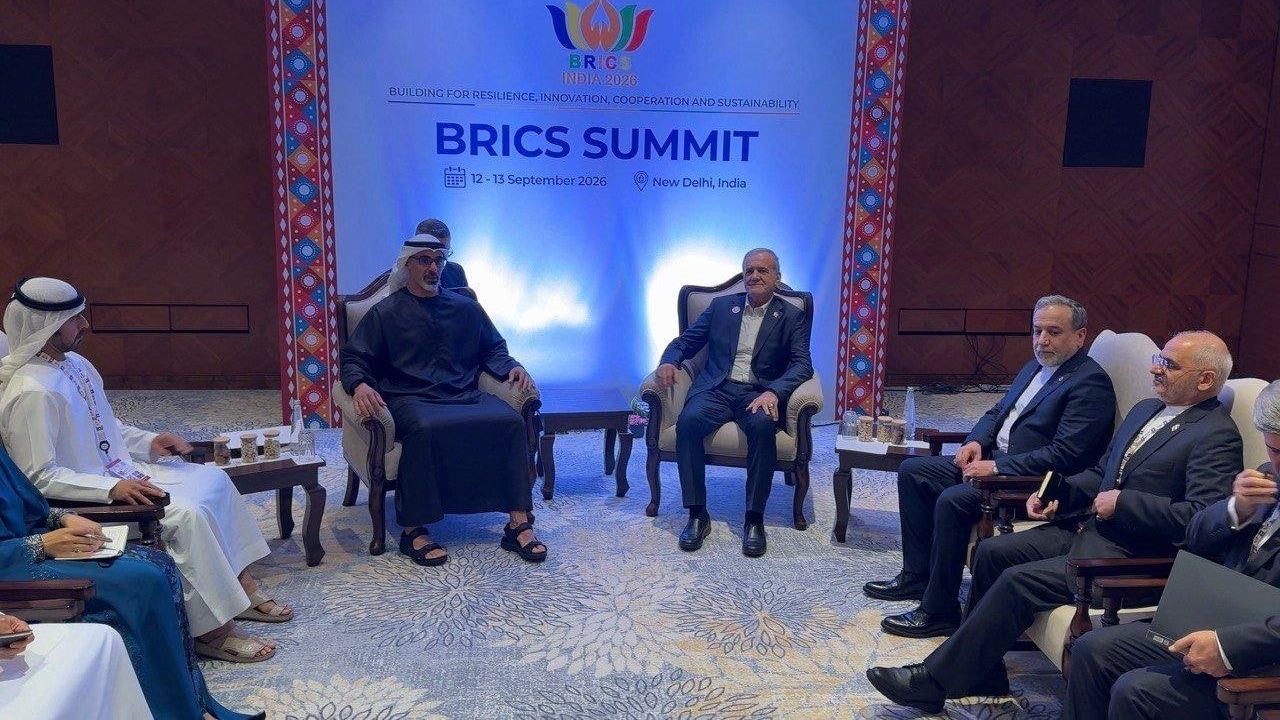
Iranian President Masoud Pezeshkian met Abu Dhabi Crown Prince Khaled bin Mohamed bin Zayed on Saturday on the sidelines of the BRICS summit.
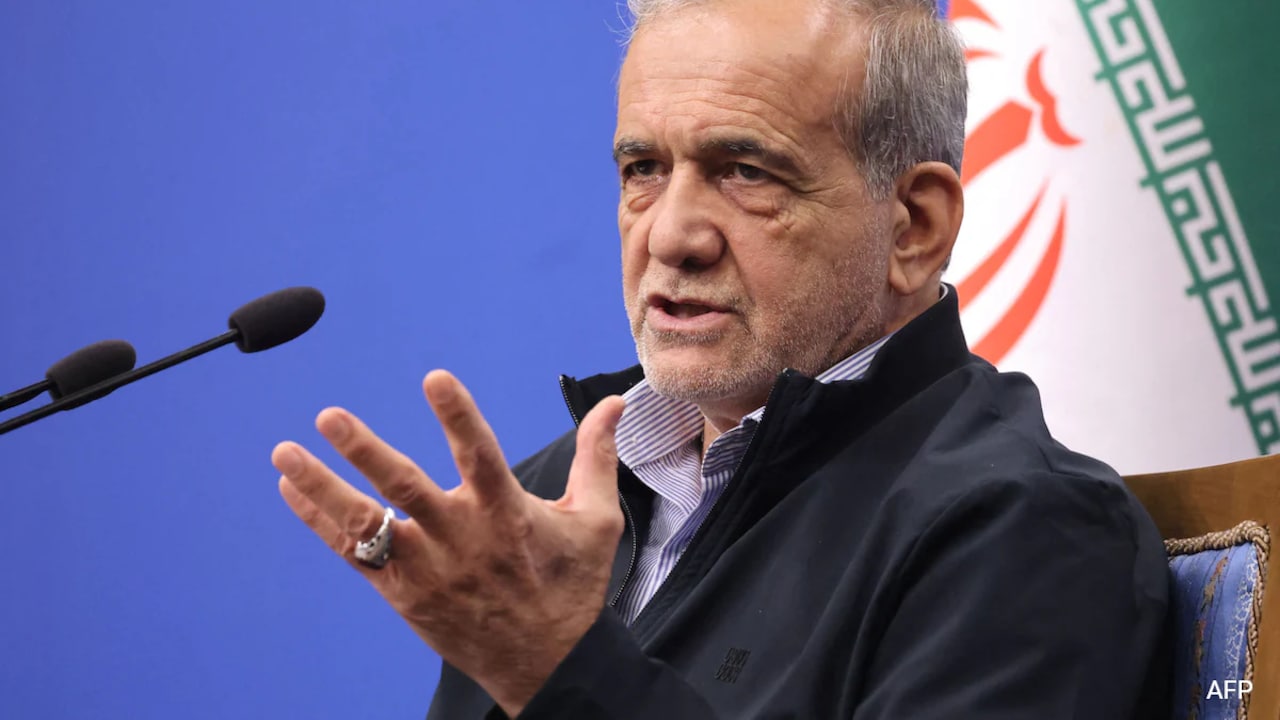
"We do not need a regional policeman," he said on the sidelines of a BRICS summit in India during a meeting with Malaysian Prime Minister Anwar Ibrahim.
Earlier, a former Anthropic researcher, Jacob Coxon, posted a series of messages on X announcing his resignation and warning that AI could pose an existential risk to humanity.
Despite his optimism about the technology, Amodei said AI also carries serious risks, including the danger of losing control of AI systems, misuse for cyberattacks and bioterrorism, and significant economic disruption.
The aircraft originally began its life as a commercial passenger jet with Air China, entering service in late 2014.

The president’s latest attack on the National Museum of American History reflects his longstanding desire for “patriotic” history.

In a new show at David Kordansky Gallery, the Iranian American painter Tala Madani plumbs the lives of her characters with absurd humor and a strange tenderness.

A look at design-world events, products and people.
How the designer Pierre Yovanovitch remade a hôtel particulier without losing sight of its history.
The musician Bedouine was reluctant to inherit dozens of heirlooms. Then, they inspired an album.
Look for a wide-ranging survey of Black abstraction at MoMA PS1, Taryn Simon’s photographic explorations in the Guggenheim Museum rotunda, Eric Carle’s colorful collages and much more.

A landmark retrospective by the late Japanese artist invites visitors to surrender individual identity and step into an infinite cosmos.
The medieval masterpiece has traveled from France to England for a once-in-a-lifetime show. It is not what our critic Jason Farago expected.