


Gadget

Top and Popular Gadgets of 2025: Innovation Meets Simplicity

Admin July 26, 2025 0
Travel

A Dreamland of Balloons, Valleys, and Timeless Silence

Admin June 25, 2025 0

Phones

Robotics

From manufacturing lines and medical surgeries to space exploration and personal assistance

Robotics technology is one of the most transformative innovations of the 21st century. It refers to the design, construction, operation, and use of robots—automated machines that can perform tasks traditionally carried out by humans. From manufacturing lines and medical surgeries to space exploration and personal assistance, robotics is reshaping the way we live, work, and interact with machines. What Is Robotics? At its core, robotics combines several fields of science and engineering, including mechanical engineering, electrical engineering, computer science, and artificial intelligence. A typical robot includes three main components: mechanical structure (hardware), control system (software), and sensors/actuators for interacting with the physical environment. Modern robots are no longer limited to repetitive mechanical jobs. With advancements in AI and machine learning, many robots can now “learn” from their surroundings, make decisions, and adapt their behavior based on feedback. This ability is especially useful in dynamic environments like autonomous driving or disaster response.   Key Applications of Robotics Robotics technology is being rapidly adopted across many sectors: Manufacturing: Industrial robots handle tasks such as welding, assembly, packaging, and inspection with high precision and speed. Healthcare: Surgical robots assist in minimally invasive surgeries, while rehabilitation robots help patients regain mobility. Agriculture: Robots automate planting, harvesting, and crop monitoring, increasing efficiency and reducing labor costs. Defense & Security: Drones and robotic vehicles are used for surveillance, bomb disposal, and hazardous environment navigation. Space Exploration: Robots like NASA’s Mars rovers explore environments too dangerous for humans. Consumer Robotics: Personal assistants, robotic vacuum cleaners, and educational robots are becoming household tools.   Artificial intelligence is making robots more independent. With AI, robots can analyze data, learn from experience, and make decisions in real time. This allows robots to handle complex, dynamic environments such as self-driving cars or home service robots. Cobots are designed to work side-by-side with humans, often without safety cages. They assist workers in repetitive or heavy-lifting tasks and improve workplace ergonomics and safety in industries like automotive and electronics. Emerging Trends AI-Integrated Robots: Artificial intelligence enhances a robot’s ability to learn, adapt, and operate autonomously. Collaborative Robots (Cobots): Designed to work alongside humans safely, especially in factories and warehouses. Humanoid Robots: Robots that mimic human appearance and interaction, increasingly used in customer service and education. Swarm Robotics: Groups of robots coordinating with each other to perform complex tasks collectively, inspired by insect behavior. The Future of Robotics   The future of robotics is poised to be deeply integrated with human life. We’re moving toward a society where robots may serve as companions, caretakers, and even co-workers. As sensor technology, computing power, and AI capabilities continue to evolve, robots will become more intelligent, affordable, and accessible. However, society must address ethical considerations and ensure that robotics develops responsibly. Balancing innovation with safety, privacy, and human values will be key to unlocking the full potential of robotics.

Admin July 26, 2025
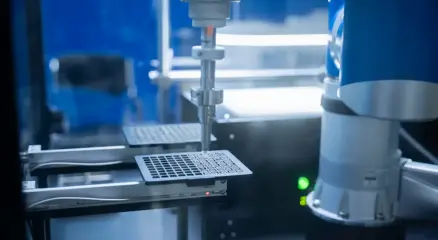
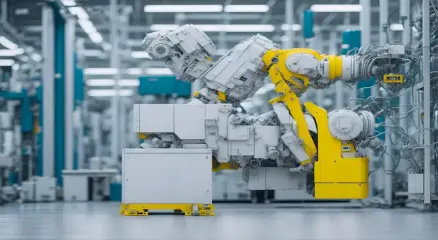
Industrial robots handle tasks such as welding, assembly, packaging, and inspection

Robotics technology is one of the most transformative innovations of the 21st century. It refers to the design, construction, operation, and use of robots—automated machines that can perform tasks traditionally carried out by humans. From manufacturing lines and medical surgeries to space exploration and personal assistance, robotics is reshaping the way we live, work, and interact with machines. What Is Robotics? At its core, robotics combines several fields of science and engineering, including mechanical engineering, electrical engineering, computer science, and artificial intelligence. A typical robot includes three main components: mechanical structure (hardware), control system (software), and sensors/actuators for interacting with the physical environment. Modern robots are no longer limited to repetitive mechanical jobs. With advancements in AI and machine learning, many robots can now “learn” from their surroundings, make decisions, and adapt their behavior based on feedback. This ability is especially useful in dynamic environments like autonomous driving or disaster response.   Key Applications of Robotics Robotics technology is being rapidly adopted across many sectors: Manufacturing: Industrial robots handle tasks such as welding, assembly, packaging, and inspection with high precision and speed. Healthcare: Surgical robots assist in minimally invasive surgeries, while rehabilitation robots help patients regain mobility. Agriculture: Robots automate planting, harvesting, and crop monitoring, increasing efficiency and reducing labor costs. Defense & Security: Drones and robotic vehicles are used for surveillance, bomb disposal, and hazardous environment navigation. Space Exploration: Robots like NASA’s Mars rovers explore environments too dangerous for humans. Consumer Robotics: Personal assistants, robotic vacuum cleaners, and educational robots are becoming household tools.   Artificial intelligence is making robots more independent. With AI, robots can analyze data, learn from experience, and make decisions in real time. This allows robots to handle complex, dynamic environments such as self-driving cars or home service robots. Cobots are designed to work side-by-side with humans, often without safety cages. They assist workers in repetitive or heavy-lifting tasks and improve workplace ergonomics and safety in industries like automotive and electronics. Emerging Trends AI-Integrated Robots: Artificial intelligence enhances a robot’s ability to learn, adapt, and operate autonomously. Collaborative Robots (Cobots): Designed to work alongside humans safely, especially in factories and warehouses. Humanoid Robots: Robots that mimic human appearance and interaction, increasingly used in customer service and education. Swarm Robotics: Groups of robots coordinating with each other to perform complex tasks collectively, inspired by insect behavior. The Future of Robotics   The future of robotics is poised to be deeply integrated with human life. We’re moving toward a society where robots may serve as companions, caretakers, and even co-workers. As sensor technology, computing power, and AI capabilities continue to evolve, robots will become more intelligent, affordable, and accessible. However, society must address ethical considerations and ensure that robotics develops responsibly. Balancing innovation with safety, privacy, and human values will be key to unlocking the full potential of robotics.

Admin July 26, 2025
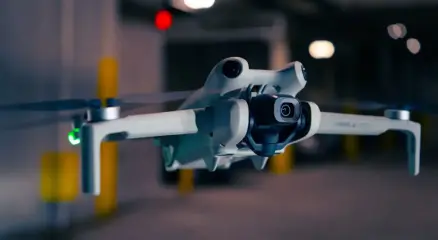
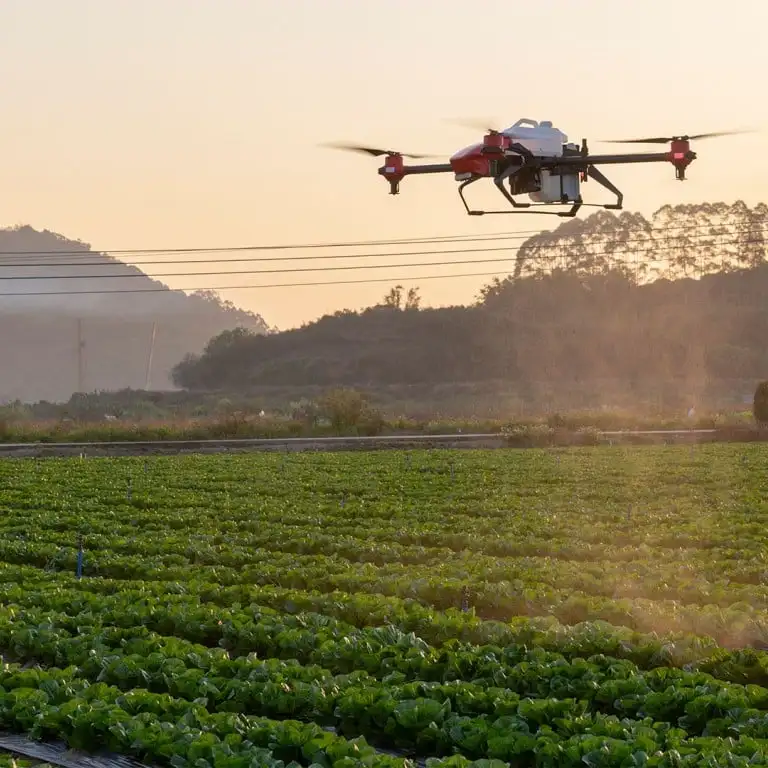
Drones and robotic vehicles are used for surveillance, bomb disposal navigation.

Robotics technology is one of the most transformative innovations of the 21st century. It refers to the design, construction, operation, and use of robots—automated machines that can perform tasks traditionally carried out by humans. From manufacturing lines and medical surgeries to space exploration and personal assistance, robotics is reshaping the way we live, work, and interact with machines. What Is Robotics? At its core, robotics combines several fields of science and engineering, including mechanical engineering, electrical engineering, computer science, and artificial intelligence. A typical robot includes three main components: mechanical structure (hardware), control system (software), and sensors/actuators for interacting with the physical environment. Modern robots are no longer limited to repetitive mechanical jobs. With advancements in AI and machine learning, many robots can now “learn” from their surroundings, make decisions, and adapt their behavior based on feedback. This ability is especially useful in dynamic environments like autonomous driving or disaster response.   Key Applications of Robotics Robotics technology is being rapidly adopted across many sectors: Manufacturing: Industrial robots handle tasks such as welding, assembly, packaging, and inspection with high precision and speed. Healthcare: Surgical robots assist in minimally invasive surgeries, while rehabilitation robots help patients regain mobility. Agriculture: Robots automate planting, harvesting, and crop monitoring, increasing efficiency and reducing labor costs. Defense & Security: Drones and robotic vehicles are used for surveillance, bomb disposal, and hazardous environment navigation. Space Exploration: Robots like NASA’s Mars rovers explore environments too dangerous for humans. Consumer Robotics: Personal assistants, robotic vacuum cleaners, and educational robots are becoming household tools.   Artificial intelligence is making robots more independent. With AI, robots can analyze data, learn from experience, and make decisions in real time. This allows robots to handle complex, dynamic environments such as self-driving cars or home service robots. Cobots are designed to work side-by-side with humans, often without safety cages. They assist workers in repetitive or heavy-lifting tasks and improve workplace ergonomics and safety in industries like automotive and electronics. Emerging Trends AI-Integrated Robots: Artificial intelligence enhances a robot’s ability to learn, adapt, and operate autonomously. Collaborative Robots (Cobots): Designed to work alongside humans safely, especially in factories and warehouses. Humanoid Robots: Robots that mimic human appearance and interaction, increasingly used in customer service and education. Swarm Robotics: Groups of robots coordinating with each other to perform complex tasks collectively, inspired by insect behavior. The Future of Robotics   The future of robotics is poised to be deeply integrated with human life. We’re moving toward a society where robots may serve as companions, caretakers, and even co-workers. As sensor technology, computing power, and AI capabilities continue to evolve, robots will become more intelligent, affordable, and accessible. However, society must address ethical considerations and ensure that robotics develops responsibly. Balancing innovation with safety, privacy, and human values will be key to unlocking the full potential of robotics.

Admin July 26, 2025
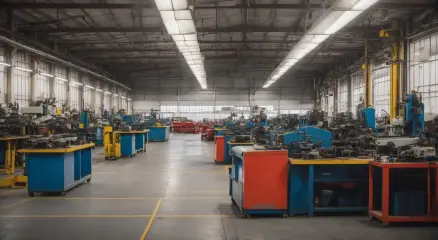
Modern robots are no longer limited to repetitive mechanical jobs

Robotics technology is one of the most transformative innovations of the 21st century. It refers to the design, construction, operation, and use of robots—automated machines that can perform tasks traditionally carried out by humans. From manufacturing lines and medical surgeries to space exploration and personal assistance, robotics is reshaping the way we live, work, and interact with machines. What Is Robotics? At its core, robotics combines several fields of science and engineering, including mechanical engineering, electrical engineering, computer science, and artificial intelligence. A typical robot includes three main components: mechanical structure (hardware), control system (software), and sensors/actuators for interacting with the physical environment. Modern robots are no longer limited to repetitive mechanical jobs. With advancements in AI and machine learning, many robots can now “learn” from their surroundings, make decisions, and adapt their behavior based on feedback. This ability is especially useful in dynamic environments like autonomous driving or disaster response.   Key Applications of Robotics Robotics technology is being rapidly adopted across many sectors: Manufacturing: Industrial robots handle tasks such as welding, assembly, packaging, and inspection with high precision and speed. Healthcare: Surgical robots assist in minimally invasive surgeries, while rehabilitation robots help patients regain mobility. Agriculture: Robots automate planting, harvesting, and crop monitoring, increasing efficiency and reducing labor costs. Defense & Security: Drones and robotic vehicles are used for surveillance, bomb disposal, and hazardous environment navigation. Space Exploration: Robots like NASA’s Mars rovers explore environments too dangerous for humans. Consumer Robotics: Personal assistants, robotic vacuum cleaners, and educational robots are becoming household tools.   Artificial intelligence is making robots more independent. With AI, robots can analyze data, learn from experience, and make decisions in real time. This allows robots to handle complex, dynamic environments such as self-driving cars or home service robots. Cobots are designed to work side-by-side with humans, often without safety cages. They assist workers in repetitive or heavy-lifting tasks and improve workplace ergonomics and safety in industries like automotive and electronics. Emerging Trends AI-Integrated Robots: Artificial intelligence enhances a robot’s ability to learn, adapt, and operate autonomously. Collaborative Robots (Cobots): Designed to work alongside humans safely, especially in factories and warehouses. Humanoid Robots: Robots that mimic human appearance and interaction, increasingly used in customer service and education. Swarm Robotics: Groups of robots coordinating with each other to perform complex tasks collectively, inspired by insect behavior. The Future of Robotics   The future of robotics is poised to be deeply integrated with human life. We’re moving toward a society where robots may serve as companions, caretakers, and even co-workers. As sensor technology, computing power, and AI capabilities continue to evolve, robots will become more intelligent, affordable, and accessible. However, society must address ethical considerations and ensure that robotics develops responsibly. Balancing innovation with safety, privacy, and human values will be key to unlocking the full potential of robotics.

Admin July 26, 2025
Robotics technology is one of the most transformative innovations of the 21st century

Robotics technology is one of the most transformative innovations of the 21st century. It refers to the design, construction, operation, and use of robots—automated machines that can perform tasks traditionally carried out by humans. From manufacturing lines and medical surgeries to space exploration and personal assistance, robotics is reshaping the way we live, work, and interact with machines. What Is Robotics? At its core, robotics combines several fields of science and engineering, including mechanical engineering, electrical engineering, computer science, and artificial intelligence. A typical robot includes three main components: mechanical structure (hardware), control system (software), and sensors/actuators for interacting with the physical environment. Modern robots are no longer limited to repetitive mechanical jobs. With advancements in AI and machine learning, many robots can now “learn” from their surroundings, make decisions, and adapt their behavior based on feedback. This ability is especially useful in dynamic environments like autonomous driving or disaster response.   Key Applications of Robotics Robotics technology is being rapidly adopted across many sectors: Manufacturing: Industrial robots handle tasks such as welding, assembly, packaging, and inspection with high precision and speed. Healthcare: Surgical robots assist in minimally invasive surgeries, while rehabilitation robots help patients regain mobility. Agriculture: Robots automate planting, harvesting, and crop monitoring, increasing efficiency and reducing labor costs. Defense & Security: Drones and robotic vehicles are used for surveillance, bomb disposal, and hazardous environment navigation. Space Exploration: Robots like NASA’s Mars rovers explore environments too dangerous for humans. Consumer Robotics: Personal assistants, robotic vacuum cleaners, and educational robots are becoming household tools.   Artificial intelligence is making robots more independent. With AI, robots can analyze data, learn from experience, and make decisions in real time. This allows robots to handle complex, dynamic environments such as self-driving cars or home service robots. Cobots are designed to work side-by-side with humans, often without safety cages. They assist workers in repetitive or heavy-lifting tasks and improve workplace ergonomics and safety in industries like automotive and electronics. Emerging Trends AI-Integrated Robots: Artificial intelligence enhances a robot’s ability to learn, adapt, and operate autonomously. Collaborative Robots (Cobots): Designed to work alongside humans safely, especially in factories and warehouses. Humanoid Robots: Robots that mimic human appearance and interaction, increasingly used in customer service and education. Swarm Robotics: Groups of robots coordinating with each other to perform complex tasks collectively, inspired by insect behavior. The Future of Robotics   The future of robotics is poised to be deeply integrated with human life. We’re moving toward a society where robots may serve as companions, caretakers, and even co-workers. As sensor technology, computing power, and AI capabilities continue to evolve, robots will become more intelligent, affordable, and accessible. However, society must address ethical considerations and ensure that robotics develops responsibly. Balancing innovation with safety, privacy, and human values will be key to unlocking the full potential of robotics.

Admin July 26, 2025
Understanding Robotics Technology: Shaping the Future of Automation

Robotics technology is one of the most transformative innovations of the 21st century. It refers to the design, construction, operation, and use of robots—automated machines that can perform tasks traditionally carried out by humans. From manufacturing lines and medical surgeries to space exploration and personal assistance, robotics is reshaping the way we live, work, and interact with machines. What Is Robotics? At its core, robotics combines several fields of science and engineering, including mechanical engineering, electrical engineering, computer science, and artificial intelligence. A typical robot includes three main components: mechanical structure (hardware), control system (software), and sensors/actuators for interacting with the physical environment. Modern robots are no longer limited to repetitive mechanical jobs. With advancements in AI and machine learning, many robots can now “learn” from their surroundings, make decisions, and adapt their behavior based on feedback. This ability is especially useful in dynamic environments like autonomous driving or disaster response.   Key Applications of Robotics Robotics technology is being rapidly adopted across many sectors: Manufacturing: Industrial robots handle tasks such as welding, assembly, packaging, and inspection with high precision and speed. Healthcare: Surgical robots assist in minimally invasive surgeries, while rehabilitation robots help patients regain mobility. Agriculture: Robots automate planting, harvesting, and crop monitoring, increasing efficiency and reducing labor costs. Defense & Security: Drones and robotic vehicles are used for surveillance, bomb disposal, and hazardous environment navigation. Space Exploration: Robots like NASA’s Mars rovers explore environments too dangerous for humans. Consumer Robotics: Personal assistants, robotic vacuum cleaners, and educational robots are becoming household tools.   Artificial intelligence is making robots more independent. With AI, robots can analyze data, learn from experience, and make decisions in real time. This allows robots to handle complex, dynamic environments such as self-driving cars or home service robots. Cobots are designed to work side-by-side with humans, often without safety cages. They assist workers in repetitive or heavy-lifting tasks and improve workplace ergonomics and safety in industries like automotive and electronics. Emerging Trends AI-Integrated Robots: Artificial intelligence enhances a robot’s ability to learn, adapt, and operate autonomously. Collaborative Robots (Cobots): Designed to work alongside humans safely, especially in factories and warehouses. Humanoid Robots: Robots that mimic human appearance and interaction, increasingly used in customer service and education. Swarm Robotics: Groups of robots coordinating with each other to perform complex tasks collectively, inspired by insect behavior. The Future of Robotics   The future of robotics is poised to be deeply integrated with human life. We’re moving toward a society where robots may serve as companions, caretakers, and even co-workers. As sensor technology, computing power, and AI capabilities continue to evolve, robots will become more intelligent, affordable, and accessible. However, society must address ethical considerations and ensure that robotics develops responsibly. Balancing innovation with safety, privacy, and human values will be key to unlocking the full potential of robotics.

Admin July 26, 2025

Crypto

Market analysts predict that Bitcoin could reach $200,000 by the end of 2025

The global cryptocurrency market has surged past the $4 trillion mark following the passage of a landmark U.S. law providing regulatory clarity for stablecoins. On July 18, 2025, President Trump signed the GENIUS Act, establishing the first federal framework for stablecoins in the United States. The law requires all stablecoins to be fully backed by liquid assets, mandates monthly reserve disclosures, and enforces anti-money laundering protocols. This major development triggered a sharp rally across the crypto sector. Bitcoin jumped to over $120,000, briefly peaking at $123,000 before settling around $118,000. Ethereum also experienced a strong upswing, hitting a six-month high near $3,600. Altcoins like Solana and XRP followed with double-digit gains.   Institutional investors poured billions into spot crypto exchange-traded funds (ETFs) following the announcement. Bitcoin ETFs attracted over $5.5 billion in new investments in a matter of days, while Ethereum ETFs saw inflows of approximately $2.9 billion. Analysts attribute the inflows to improved regulatory confidence and broader market optimism. The GENIUS Act is accompanied by other supportive bills, including the Anti-CBDC Surveillance Act and the Digital Asset Market Structure Act, signaling a more favorable stance toward digital assets by U.S. lawmakers. Market analysts predict that Bitcoin could reach $200,000 by the end of 2025 if bullish momentum continues.   Key Metrics Total Crypto Market Cap: ~$4 trillion Bitcoin Price: ~$118,000 Ethereum Price: ~$3,500 Bitcoin ETF Inflows (July): $5.5 billion Ethereum ETF Inflows (July): $2.9 billion   Investor sentiment is overwhelmingly positive. Over 90 of the top 100 tokens have shown gains in the past 24 hours. Despite the excitement, some experts caution that volatility may return as further regulatory processes unfold and companion bills face congressional scrutiny. Still, the consensus is that this marks a historic turning point for the crypto industry. What was once a speculative asset class is quickly becoming an integrated part of the global financial system.     new TradingView.widget({ "width": "100%", "height": 400, "symbol": "CRYPTOCAP:BTC", "interval": "60", "timezone": "Etc/UTC", "theme": "light", "style": "1", "locale": "en", "toolbar_bg": "#f1f3f6", "enable_publishing": false, "withdateranges": true, "hide_side_toolbar": false, "allow_symbol_change": true, "container_id": "tradingview_btc" });     In Summary After surpassing $4 trillion and riding a wave of regulatory progress and institutional backing, the crypto market finds itself at a pivotal moment. With robust inflows into both Bitcoin and Ethereum ETFs and elevated price levels for major assets, the ecosystem is undergoing structural growth. Watch for upcoming legislation and ETF activity—these could dominate the next chapter in this cycle.

Admin July 26, 2025
This major development triggered a sharp rally across the crypto sector

The global cryptocurrency market has surged past the $4 trillion mark following the passage of a landmark U.S. law providing regulatory clarity for stablecoins. On July 18, 2025, President Trump signed the GENIUS Act, establishing the first federal framework for stablecoins in the United States. The law requires all stablecoins to be fully backed by liquid assets, mandates monthly reserve disclosures, and enforces anti-money laundering protocols. This major development triggered a sharp rally across the crypto sector. Bitcoin jumped to over $120,000, briefly peaking at $123,000 before settling around $118,000. Ethereum also experienced a strong upswing, hitting a six-month high near $3,600. Altcoins like Solana and XRP followed with double-digit gains.   Institutional investors poured billions into spot crypto exchange-traded funds (ETFs) following the announcement. Bitcoin ETFs attracted over $5.5 billion in new investments in a matter of days, while Ethereum ETFs saw inflows of approximately $2.9 billion. Analysts attribute the inflows to improved regulatory confidence and broader market optimism. The GENIUS Act is accompanied by other supportive bills, including the Anti-CBDC Surveillance Act and the Digital Asset Market Structure Act, signaling a more favorable stance toward digital assets by U.S. lawmakers. Market analysts predict that Bitcoin could reach $200,000 by the end of 2025 if bullish momentum continues.   Key Metrics Total Crypto Market Cap: ~$4 trillion Bitcoin Price: ~$118,000 Ethereum Price: ~$3,500 Bitcoin ETF Inflows (July): $5.5 billion Ethereum ETF Inflows (July): $2.9 billion   Investor sentiment is overwhelmingly positive. Over 90 of the top 100 tokens have shown gains in the past 24 hours. Despite the excitement, some experts caution that volatility may return as further regulatory processes unfold and companion bills face congressional scrutiny. Still, the consensus is that this marks a historic turning point for the crypto industry. What was once a speculative asset class is quickly becoming an integrated part of the global financial system.     new TradingView.widget({ "width": "100%", "height": 400, "symbol": "CRYPTOCAP:BTC", "interval": "60", "timezone": "Etc/UTC", "theme": "light", "style": "1", "locale": "en", "toolbar_bg": "#f1f3f6", "enable_publishing": false, "withdateranges": true, "hide_side_toolbar": false, "allow_symbol_change": true, "container_id": "tradingview_btc" });     In Summary After surpassing $4 trillion and riding a wave of regulatory progress and institutional backing, the crypto market finds itself at a pivotal moment. With robust inflows into both Bitcoin and Ethereum ETFs and elevated price levels for major assets, the ecosystem is undergoing structural growth. Watch for upcoming legislation and ETF activity—these could dominate the next chapter in this cycle.

Admin July 26, 2025
The GENIUS Act is accompanied by other supportive bills, including the Anti-CBDC

The global cryptocurrency market has surged past the $4 trillion mark following the passage of a landmark U.S. law providing regulatory clarity for stablecoins. On July 18, 2025, President Trump signed the GENIUS Act, establishing the first federal framework for stablecoins in the United States. The law requires all stablecoins to be fully backed by liquid assets, mandates monthly reserve disclosures, and enforces anti-money laundering protocols. This major development triggered a sharp rally across the crypto sector. Bitcoin jumped to over $120,000, briefly peaking at $123,000 before settling around $118,000. Ethereum also experienced a strong upswing, hitting a six-month high near $3,600. Altcoins like Solana and XRP followed with double-digit gains.   Institutional investors poured billions into spot crypto exchange-traded funds (ETFs) following the announcement. Bitcoin ETFs attracted over $5.5 billion in new investments in a matter of days, while Ethereum ETFs saw inflows of approximately $2.9 billion. Analysts attribute the inflows to improved regulatory confidence and broader market optimism. The GENIUS Act is accompanied by other supportive bills, including the Anti-CBDC Surveillance Act and the Digital Asset Market Structure Act, signaling a more favorable stance toward digital assets by U.S. lawmakers. Market analysts predict that Bitcoin could reach $200,000 by the end of 2025 if bullish momentum continues.   Key Metrics Total Crypto Market Cap: ~$4 trillion Bitcoin Price: ~$118,000 Ethereum Price: ~$3,500 Bitcoin ETF Inflows (July): $5.5 billion Ethereum ETF Inflows (July): $2.9 billion   Investor sentiment is overwhelmingly positive. Over 90 of the top 100 tokens have shown gains in the past 24 hours. Despite the excitement, some experts caution that volatility may return as further regulatory processes unfold and companion bills face congressional scrutiny. Still, the consensus is that this marks a historic turning point for the crypto industry. What was once a speculative asset class is quickly becoming an integrated part of the global financial system.     new TradingView.widget({ "width": "100%", "height": 400, "symbol": "CRYPTOCAP:BTC", "interval": "60", "timezone": "Etc/UTC", "theme": "light", "style": "1", "locale": "en", "toolbar_bg": "#f1f3f6", "enable_publishing": false, "withdateranges": true, "hide_side_toolbar": false, "allow_symbol_change": true, "container_id": "tradingview_btc" });     In Summary After surpassing $4 trillion and riding a wave of regulatory progress and institutional backing, the crypto market finds itself at a pivotal moment. With robust inflows into both Bitcoin and Ethereum ETFs and elevated price levels for major assets, the ecosystem is undergoing structural growth. Watch for upcoming legislation and ETF activity—these could dominate the next chapter in this cycle.

Admin July 26, 2025
Ethereum also experienced a strong upswing, hitting a six-month high near $3,600

The global cryptocurrency market has surged past the $4 trillion mark following the passage of a landmark U.S. law providing regulatory clarity for stablecoins. On July 18, 2025, President Trump signed the GENIUS Act, establishing the first federal framework for stablecoins in the United States. The law requires all stablecoins to be fully backed by liquid assets, mandates monthly reserve disclosures, and enforces anti-money laundering protocols. This major development triggered a sharp rally across the crypto sector. Bitcoin jumped to over $120,000, briefly peaking at $123,000 before settling around $118,000. Ethereum also experienced a strong upswing, hitting a six-month high near $3,600. Altcoins like Solana and XRP followed with double-digit gains.   Institutional investors poured billions into spot crypto exchange-traded funds (ETFs) following the announcement. Bitcoin ETFs attracted over $5.5 billion in new investments in a matter of days, while Ethereum ETFs saw inflows of approximately $2.9 billion. Analysts attribute the inflows to improved regulatory confidence and broader market optimism. The GENIUS Act is accompanied by other supportive bills, including the Anti-CBDC Surveillance Act and the Digital Asset Market Structure Act, signaling a more favorable stance toward digital assets by U.S. lawmakers. Market analysts predict that Bitcoin could reach $200,000 by the end of 2025 if bullish momentum continues.   Key Metrics Total Crypto Market Cap: ~$4 trillion Bitcoin Price: ~$118,000 Ethereum Price: ~$3,500 Bitcoin ETF Inflows (July): $5.5 billion Ethereum ETF Inflows (July): $2.9 billion   Investor sentiment is overwhelmingly positive. Over 90 of the top 100 tokens have shown gains in the past 24 hours. Despite the excitement, some experts caution that volatility may return as further regulatory processes unfold and companion bills face congressional scrutiny. Still, the consensus is that this marks a historic turning point for the crypto industry. What was once a speculative asset class is quickly becoming an integrated part of the global financial system.     new TradingView.widget({ "width": "100%", "height": 400, "symbol": "CRYPTOCAP:BTC", "interval": "60", "timezone": "Etc/UTC", "theme": "light", "style": "1", "locale": "en", "toolbar_bg": "#f1f3f6", "enable_publishing": false, "withdateranges": true, "hide_side_toolbar": false, "allow_symbol_change": true, "container_id": "tradingview_btc" });     In Summary After surpassing $4 trillion and riding a wave of regulatory progress and institutional backing, the crypto market finds itself at a pivotal moment. With robust inflows into both Bitcoin and Ethereum ETFs and elevated price levels for major assets, the ecosystem is undergoing structural growth. Watch for upcoming legislation and ETF activity—these could dominate the next chapter in this cycle.

Admin July 26, 2025
$4 trillion mark following the passage of a landmark U.S. law providing regulatory clarity

The global cryptocurrency market has surged past the $4 trillion mark following the passage of a landmark U.S. law providing regulatory clarity for stablecoins. On July 18, 2025, President Trump signed the GENIUS Act, establishing the first federal framework for stablecoins in the United States. The law requires all stablecoins to be fully backed by liquid assets, mandates monthly reserve disclosures, and enforces anti-money laundering protocols. This major development triggered a sharp rally across the crypto sector. Bitcoin jumped to over $120,000, briefly peaking at $123,000 before settling around $118,000. Ethereum also experienced a strong upswing, hitting a six-month high near $3,600. Altcoins like Solana and XRP followed with double-digit gains.   Institutional investors poured billions into spot crypto exchange-traded funds (ETFs) following the announcement. Bitcoin ETFs attracted over $5.5 billion in new investments in a matter of days, while Ethereum ETFs saw inflows of approximately $2.9 billion. Analysts attribute the inflows to improved regulatory confidence and broader market optimism. The GENIUS Act is accompanied by other supportive bills, including the Anti-CBDC Surveillance Act and the Digital Asset Market Structure Act, signaling a more favorable stance toward digital assets by U.S. lawmakers. Market analysts predict that Bitcoin could reach $200,000 by the end of 2025 if bullish momentum continues.   Key Metrics Total Crypto Market Cap: ~$4 trillion Bitcoin Price: ~$118,000 Ethereum Price: ~$3,500 Bitcoin ETF Inflows (July): $5.5 billion Ethereum ETF Inflows (July): $2.9 billion   Investor sentiment is overwhelmingly positive. Over 90 of the top 100 tokens have shown gains in the past 24 hours. Despite the excitement, some experts caution that volatility may return as further regulatory processes unfold and companion bills face congressional scrutiny. Still, the consensus is that this marks a historic turning point for the crypto industry. What was once a speculative asset class is quickly becoming an integrated part of the global financial system.     new TradingView.widget({ "width": "100%", "height": 400, "symbol": "CRYPTOCAP:BTC", "interval": "60", "timezone": "Etc/UTC", "theme": "light", "style": "1", "locale": "en", "toolbar_bg": "#f1f3f6", "enable_publishing": false, "withdateranges": true, "hide_side_toolbar": false, "allow_symbol_change": true, "container_id": "tradingview_btc" });     In Summary After surpassing $4 trillion and riding a wave of regulatory progress and institutional backing, the crypto market finds itself at a pivotal moment. With robust inflows into both Bitcoin and Ethereum ETFs and elevated price levels for major assets, the ecosystem is undergoing structural growth. Watch for upcoming legislation and ETF activity—these could dominate the next chapter in this cycle.

Admin July 26, 2025
Crypto Market Surges Past $4 Trillion Amid U.S. Regulatory Breakthrough

The global cryptocurrency market has surged past the $4 trillion mark following the passage of a landmark U.S. law providing regulatory clarity for stablecoins. On July 18, 2025, President Trump signed the GENIUS Act, establishing the first federal framework for stablecoins in the United States. The law requires all stablecoins to be fully backed by liquid assets, mandates monthly reserve disclosures, and enforces anti-money laundering protocols. This major development triggered a sharp rally across the crypto sector. Bitcoin jumped to over $120,000, briefly peaking at $123,000 before settling around $118,000. Ethereum also experienced a strong upswing, hitting a six-month high near $3,600. Altcoins like Solana and XRP followed with double-digit gains.   Institutional investors poured billions into spot crypto exchange-traded funds (ETFs) following the announcement. Bitcoin ETFs attracted over $5.5 billion in new investments in a matter of days, while Ethereum ETFs saw inflows of approximately $2.9 billion. Analysts attribute the inflows to improved regulatory confidence and broader market optimism. The GENIUS Act is accompanied by other supportive bills, including the Anti-CBDC Surveillance Act and the Digital Asset Market Structure Act, signaling a more favorable stance toward digital assets by U.S. lawmakers. Market analysts predict that Bitcoin could reach $200,000 by the end of 2025 if bullish momentum continues.   Key Metrics Total Crypto Market Cap: ~$4 trillion Bitcoin Price: ~$118,000 Ethereum Price: ~$3,500 Bitcoin ETF Inflows (July): $5.5 billion Ethereum ETF Inflows (July): $2.9 billion   Investor sentiment is overwhelmingly positive. Over 90 of the top 100 tokens have shown gains in the past 24 hours. Despite the excitement, some experts caution that volatility may return as further regulatory processes unfold and companion bills face congressional scrutiny. Still, the consensus is that this marks a historic turning point for the crypto industry. What was once a speculative asset class is quickly becoming an integrated part of the global financial system.     new TradingView.widget({ "width": "100%", "height": 400, "symbol": "CRYPTOCAP:BTC", "interval": "60", "timezone": "Etc/UTC", "theme": "light", "style": "1", "locale": "en", "toolbar_bg": "#f1f3f6", "enable_publishing": false, "withdateranges": true, "hide_side_toolbar": false, "allow_symbol_change": true, "container_id": "tradingview_btc" });     In Summary After surpassing $4 trillion and riding a wave of regulatory progress and institutional backing, the crypto market finds itself at a pivotal moment. With robust inflows into both Bitcoin and Ethereum ETFs and elevated price levels for major assets, the ecosystem is undergoing structural growth. Watch for upcoming legislation and ETF activity—these could dominate the next chapter in this cycle.

Admin July 26, 2025
Latest post

Follow us

Popular post
Heatwave Grips U.S. South and Midwest, Breaking Temperature Records

The U.S. Supreme Court issued a landmark ruling on Monday, declaring that former presidents are entitled to partial immunity from criminal prosecution for actions taken while in office. The 6-3 decision, split along ideological lines, has triggered intense political and legal debate across the country. The ruling stems from charges brought against former President Donald Trump, who has faced multiple indictments related to alleged interference in the 2020 presidential election and events surrounding the January 6 Capitol riot. The Court’s decision now makes it more difficult for prosecutors to pursue charges for actions deemed as part of a president's official duties. Heatwave Grips U.S. South and Midwest, Breaking Temperature Records     Data Table Price Total 1200 1200 Ata Moyda Demographic Data District Population Percentage Noakhali 31,000,00 5% Cumilla 35,000,00 5.5% Divided Reactions President Joe Biden responded to the ruling by calling it a “dangerous precedent” that could place future presidents above the law. “No one in America should be beyond accountability,” he said during a press conference. Republican leaders, however, welcomed the decision. House Speaker Steve Scalise stated, “This ruling upholds the constitutional separation of powers and protects the office of the presidency from political attacks.” What the Ruling Means The Court ruled that while presidents do not have absolute immunity, they are shielded from criminal prosecution for actions that are “within the outer perimeter of official presidential responsibilities.” However, personal or unofficial actions remain subject to prosecution. Legal experts say the ruling could delay several of Trump’s ongoing legal cases, potentially impacting the 2024 election season, where Trump remains the leading Republican contender. Public Response Protests erupted in major cities including New York, Los Angeles, and Chicago, with citizens expressing fears that the decision could weaken American democracy. On social media, the hashtag #NoOneAboveTheLaw trended nationwide.

Top and Popular Gadgets of 2025: Innovation Meets Simplicity

The tech world in 2025 is bursting with fresh ideas, smart innovations, and a return to simpler pleasures. From retro cameras to foldable phones and solar-powered accessories, this year’s gadgets are pushing boundaries while keeping user needs at the core. Here’s a look at some of the most talked-about and best-selling gadgets of 2025 so far.   One surprising hit this year is the Fujifilm QuickSnap disposable camera. Yes, film is back. This 35mm plastic camera has just one fixed lens, a single shutter speed, and an integrated flash. It’s lightweight, battery-powered, and captures about 27 exposures. At under $25, it’s become the favorite of travelers and casual photographers who want a break from digital filters and editing apps. The joy of physical prints and simple shooting is making a huge comeback.   In the smartphone world, foldable devices are dominating headlines again. Samsung has released three new models: Galaxy Z Fold 7, Z Flip 7, and Z Flip FE. The Fold 7 is thinner than ever and features a 200-megapixel main camera and Snapdragon 8 Elite chip. The Flip 7 now has a larger front display and uses Samsung’s Exynos 2500 processor, while the Flip FE offers an affordable folding experience starting at just $899. Despite some market skepticism about foldables a few years ago, sales in 2025 have shown that people love compact devices that open into full-size screens.   Another big trend this year is solar-powered gadgets. As people try to reduce dependency on wall chargers and batteries, companies are rolling out devices that rely on the sun. These include radios with built-in solar panels and crank handles, TV remotes that recharge via ambient light, and smartwatches like the Suunto Vertical, which can run for up to a year on solar power. Other popular items include solar-charging backpacks, security cameras, and wireless keyboards. These devices are especially useful during travel, power outages, or off-grid living.   Gadget Key Feature Price Range Fujifilm QuickSnap Disposable 35mm with flash $20–25 Samsung Z Fold 7 200 MP camera, Snapdragon 8 Elite $1,799+ Samsung Z Flip 7 Large cover screen, Exynos 2500 $1,099+ Samsung Z Flip FE Budget foldable, Exynos 2400 $899 OnePlus Watch 3 Long battery life, GPS, sleep tracking $329–349 Anker Nano 45W Charger Fast charging, compact GaN design $35 Sigma BF Camera Minimalist, aluminum block body $1,000+ Suunto Vertical Year-long battery life on solar power $500+   In the wearable tech space, the OnePlus Watch 3 has emerged as a top Android smartwatch. It boasts four to five days of battery life, precise GPS, and excellent sleep tracking, all for under $350. Meanwhile, the Anker Nano 45W charger is being praised for its pocket-size form, fast charging, and affordable price. It’s a must-have for travelers and remote workers.   Camera fans are excited about the Sigma BF, a new full-frame mirrorless camera made from a single block of metal. It’s extremely minimalist in design, and many have described it as the type of camera Apple would create if they entered the camera market. It’s not just a tool—it’s a design statement. This year’s consumer technology shows also introduced some bold futuristic gadgets. Samsung teased its tri-fold phone concept and even showed a portable TV that folds into a briefcase. AI-powered smart mirrors, snore-canceling earbuds, and waterproof TVs caught the attention of both critics and consumers.   Robotics and AI are also playing a bigger role in daily gadgets. Hugging Face released Reachy Mini, a programmable robot that introduces users to coding and artificial intelligence. Companies like Ikea are integrating Matter compatibility into their smart home devices, allowing easier connection with Alexa, Google Home, and Apple devices. The biggest takeaway from 2025's gadget scene is the focus on three things: hybrid design, green energy, and AI-powered convenience. Whether it’s a foldable phone, an analog camera, or a solar-powered speaker, each gadget is trying to make life easier, more enjoyable, or more sustainable.     As we look ahead, the second half of the year promises even more innovation. Samsung is expected to release a commercial version of its tri-fold phone. More solar-powered gadgets are set to hit the market, and AI will continue to be integrated into both household and personal devices. 2025 has proven that technology doesn’t have to be complicated or power-hungry to be effective. Sometimes, the simplest ideas—like a disposable camera or a sun-powered radio—can make the biggest impact.

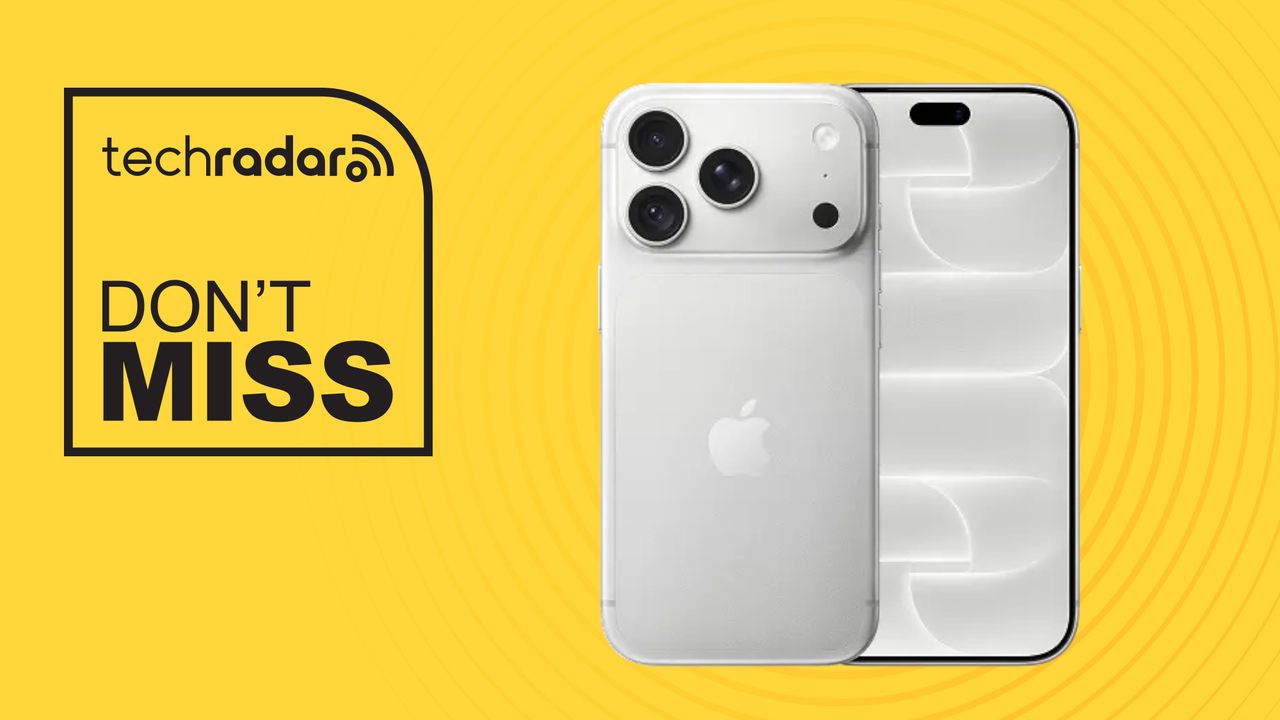
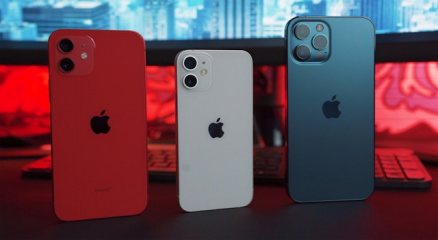
The iPhone 17 Series: Elevating Intelligence, Power, and Experience

The iPhone 17 series builds on Apple’s momentum with enhanced AI, powerful new chipsets, and redesigned display experiences. This year, Apple introduces major improvements to on-device intelligence, gaming performance, and camera capabilities. The Pro models now feature the blazing-fast A19 Pro chip, with a next-generation neural engine and breakthrough photonic processing. The iPhone 17 Pro Max introduces a new 7.0-inch Infinity Edge Display, offering more immersive visuals than ever before. It also refines the Capture Button feature introduced in the iPhone 16 Pro Max, now with haptic feedback for tactile photo control. Apple continues its commitment to privacy-centered AI with iOS 19 and Apple Intelligence 2.0, adding offline voice control, AI app automation, and predictive actions. This transforms how users interact with Mail, Safari, Photos, and Messages.   Camera Upgrades Include: New 50MP main sensor on all models Improved 6x optical zoom for Pro Max Enhanced low-light performance with Deep Fusion 2 Smart HDR 7 and motion-capture stabilization AI-powered image cleanup and framing tools   All iPhone 17 models retain USB-C charging, with the Pro models capable of 50% charge in just 18 minutes. Battery life is optimized, with the Pro Max delivering up to 33 hours of video playback—Apple’s best to date. With sleek new color options, smarter performance, and deep integration across Apple’s ecosystem, the iPhone 17 series sets a new benchmark in premium mobile technology.    iPhone 17 Series Comparison Table Model Display Chipset Camera System Battery Life (Video) Price (USD) iPhone 17 6.1” OLED A18 Dual 50MP + 12MP Up to 23 hours $799 iPhone 17 Plus 6.7” OLED A18 Dual 50MP + 12MP Up to 27 hours $899 iPhone 17 Pro 6.4” OLED A19 Pro Triple 50MP + Ultra + Telephoto Up to 30 hours $1,099 iPhone 17 Pro Max 7.0” OLED A19 Pro Triple 50MP + Ultra + 6x Zoom Up to 33 hours $1,29   Battery & Charging All iPhone 17 models support MagSafe and USB-C. Fast Charging: 50% in around 18 minutes (Pro models) Wireless Charging: Up to 15W Improved heat dissipation for extended gaming and video streaming Smart Battery Optimizer in iOS 19 for better long-term health   Camera Enhancements (Pro Series) Main Sensor: 50MP with better clarity and night mode Ultra Wide: 12MP with improved macro and distortion correction Telephoto (Pro Max): 6x optical zoom, 135mm focal length Deep Fusion 2 for dynamic range and detail Smart AI Framing: Auto-crops photos based on subject focus Instant AI Cleanup for background removal and smoothing   The iPhone 17 series offers a fresh and elegant range of color options to suit every style. For the standard iPhone 17 and 17 Plus models, Apple introduces five vibrant shades: Midnight Black, Soft Blue, Blossom Pink, Silver Mist, and Sage Green.   These colors are designed to appeal to a wide audience with a blend of bold and subtle tones. For the premium iPhone 17 Pro and Pro Max models, users can choose from four sophisticated finishes: Graphite Gray, Titan Blue, Pure White, and Lava Titanium. Each Pro color reflects a refined, professional look that complements the device’s premium build.     Final Thoughts The iPhone 17 series is Apple’s boldest and smartest smartphone lineup to date. With the debut of the A19 Pro chip, deeper AI integration, and record-breaking display and battery performance, the iPhone 17 Pro Max redefines what’s possible in a mobile device. Whether you're a photographer, business executive, or everyday user who values speed and simplicity, the iPhone 17 delivers a future-ready experience wrapped in elegant design. Apple isn’t just setting trends—it’s shaping the next era of mobile computing.

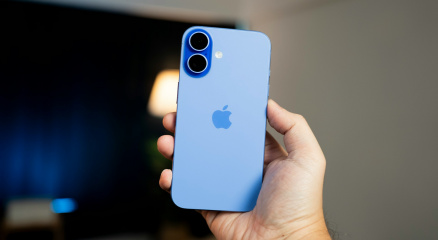
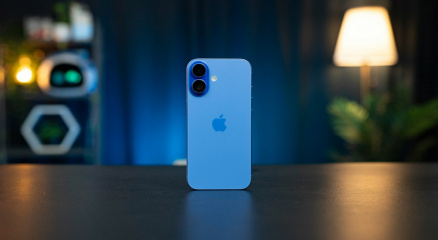
Apple iPhone 16 Series: Raising the Bar in 2025

The iPhone 16 series pushes Apple’s innovation forward with upgraded chips, larger displays, and smarter AI experiences. The Pro models are now powered by the A18 Pro chip, boasting improved power efficiency and performance with next-gen neural processing units. The iPhone 16 Pro Max features the largest iPhone display ever at 6.9 inches and introduces a new “Capture Button”, dedicated to photography and video, making content creation quicker and easier.   Apple is also pushing on-device AI to the next level. iOS 18, launching with the iPhone 16, brings real-time transcription, AI email summaries, and improved Siri interactions using Apple’s new Apple Intelligence framework.   Camera upgrades include: Improved 48MP main sensor on all models 5x optical zoom for Pro Max Better low-light performance Smart HDR 6 and next-gen Deep Fusion USB-C continues across all models, now with faster charging (up to 50% in 20 minutes on Pro models). Battery life is slightly improved, with the Pro Max delivering nearly 31 hours of video playback. With new colors, better performance, and tighter integration across Apple devices, the iPhone 16 lineup cements Apple’s place at the top of the premium smartphone segment.   Model Display Chipset Camera System Battery Life (Video) Price (USD) iPhone 16 6.1” OLED A17 Dual 48MP + 12MP Up to 22 hours $799 iPhone 16 Plus 6.7” OLED A17 Dual 48MP + 12MP Up to 26 hours $899 iPhone 16 Pro 6.3” OLED A18 Pro Triple 48MP + Ultra + Telephoto Up to 29 hours $1,099 iPhone 16 Pro Max 6.9” OLED A18 Pro Triple 48MP + Ultra + 5x Zoom Up to 31 hours $1,299   Battery & Charging All models support MagSafe and USB-C.Fast charging allows 50% charge in approximately 20 minutes on Pro models.Wireless charging is supported up to 15W.Enhanced thermal performance is included for gaming and video usage.   Camera Enhancements (Pro Series) Connectivity & Ecosystem Main Sensor: 48MP with improved low-light performance Ultra Wide: 12MP with better macro focus Telephoto (Pro Max): 5x optical zoom, 120mm lens Photonic Engine: Improved detail and color tone New AI Photo Editor in iOS 18 enables auto-enhancing of photos Main Sensor: 48MP with improved low-light performance Ultra Wide: 12MP with better macro focus Telephoto (Pro Max): 5x optical zoom, 120mm lens Photonic Engine: Improved detail and color tone New AI Photo Editor in iOS 18 enables auto-enhancing of photos   The Apple iPhone 16 series marks a bold step forward in performance, AI integration, and camera technology. The lineup includes four models: iPhone 16, 16 Plus, 16 Pro, and 16 Pro Max. The Pro models feature the powerful A18 Pro chip, enabling faster processing, enhanced gaming, and on-device AI with iOS 18. One of the biggest highlights is the 6.9-inch display on the iPhone 16 Pro Max—Apple’s largest screen ever. A new dedicated Capture Button has been introduced for quick photo and video access. The camera system includes a 48MP main sensor, a 12MP ultra-wide lens, and a 5x optical zoom telephoto lens exclusive to the Pro Max.   Apple Intelligence with iOS 18 iPhone 16 Pro models introduce Apple Intelligence, a new suite of AI tools that includes Smart summaries for emails and messages Real-time voice transcription Personalized writing assistance App actions using Siri (e.g., "Summarize this PDF") Private cloud processing for privacy-focused AI   The Apple iPhone 16 series marks a bold step forward in performance, AI integration, and camera technology. The lineup includes four models: iPhone 16, 16 Plus, 16 Pro, and 16 Pro Max. The Pro models feature the powerful A18 Pro chip, enabling faster processing, enhanced gaming, and on-device AI with iOS 18.   One of the biggest highlights is the 6.9-inch display on the iPhone 16 Pro Max—Apple’s largest screen ever. A new dedicated Capture Button has been introduced for quick photo and video access. The camera system includes a 48MP main sensor, a 12MP ultra-wide lens, and a 5x optical zoom telephoto lens exclusive to the Pro Max.   All models support USB-C charging, with the Pro models offering up to 50% charge in just 20 minutes. Battery life reaches up to 31 hours of video playback on the Pro Max. iOS 18 introduces Apple Intelligence, offering features like email summaries, real-time voice transcription, and smarter Siri commands. Color options range from Midnight and Pink to Space Black and Desert Titanium.   Overall, the iPhone 16 series combines refined hardware, advanced software, and intelligent features to deliver Apple’s most powerful and user-friendly smartphones to date.   Final Thoughts The iPhone 16 series is Apple’s boldest leap yet into AI-powered mobile computing. With the new A18 Pro chip, immersive display, enhanced camera, and Apple Intelligence on-device AI tools, the iPhone 16 Pro Max stands out as a true all-in-one productivity and creativity powerhouse. Whether you're a content creator, business professional, or everyday user, the iPhone 16 series offers a tailored experience with the reliability and polish Apple is known for.

Social Media Emerges as a Political Powerhouse in 2025 — But Not Without Controversy

Dhaka – In today’s Bangladesh, politics is no longer confined to public rallies or television talk shows — it’s playing out every day on Facebook, X (formerly Twitter), and TikTok. As the country heads toward its next general election, social media has become a powerful tool for political communication, grassroots organizing, and public debate. Political parties, independent candidates, and youth activists are all turning to social platforms to reach the public directly. Videos, livestreams, memes, and campaign reels now shape political narratives faster than traditional media ever could. “Social media lets us speak directly to the people, without gatekeepers,” said Arman Chowdhury, a digital campaign manager for a leading political party. “In 2025, a viral post can shift public opinion overnight.” According to the Bangladesh Election Monitoring Forum, over 60% of first-time voters rely on social media as their primary source of political information. Parties are investing heavily in digital teams, influencer partnerships, and content creators to boost engagement and shape perception. But the rise of digital politics has a darker side. Misinformation, hate speech, and coordinated disinformation campaigns are spreading rapidly, often polarizing communities and confusing voters. During the recent city elections, fake polls and deepfake videos circulated widely, prompting the Bangladesh Telecommunication Regulatory Commission (BTRC) to issue warnings and take down dozens of misleading posts. “Social media is both a blessing and a threat to democracy,” said Dr. Nilufa Yasmin, a political science professor at Dhaka University. “It amplifies voices but also enables manipulation. Regulation and media literacy are urgently needed.” Civic groups and digital watchdogs are calling for stronger transparency from platforms like Facebook and TikTok regarding political ads, fake accounts, and bot-driven propaganda. Meanwhile, social media has empowered a new generation of digital activists — from environmentalists and women's rights advocates to student leaders. Hashtags like #SaveTheSundarbans, #JusticeForNusrat, and #DigitalBangladesh have sparked national conversations and even led to real-world policy changes. “I use my Instagram to talk about climate justice and education reform,” said Tania Haque, a 22-year-old activist from Narayanganj. “Even if we’re not on TV, we have a voice — and it’s loud.” However, concerns about digital surveillance and freedom of expression persist. Several users have reported account suspensions or harassment after posting critical content about powerful figures or institutions. As social media continues to shape politics in real time, experts urge voters to verify sources, think critically, and avoid echo chambers. “Don’t believe everything you see on your feed,” warned BTRC spokesperson Shahinul Islam. “Use technology, but stay aware.” With elections looming, the digital battlefield is heating up — and in 2025, a single post, video, or hashtag could change the course of the nation.

News stories

Business

  • REAL ESTATE
  • STOCK MARKET
Global Stock Markets Mixed Amid Inflation Worries and Earnings Reports

Global stock markets remained mixed today as investors weighed fresh U.S. inflation data, corporate earnings reports, and the ongoing economic uncertainty in China and Europe. Wall Street Opens Higher The U.S. stock market opened slightly higher on Monday morning, with the Dow Jones Industrial Average rising 0.4%, the S&P 500 climbing 0.3%, and the Nasdaq Composite gaining 0.5% in early trading. Investors responded positively to June's U.S. Consumer Price Index (CPI) report, which showed inflation cooling slightly to an annual rate of 3.0%, down from 3.3% in May. "Markets are optimistic that the Federal Reserve may pause or even cut interest rates by the fall," said Lisa Raymond, chief analyst at Morgan & Co. "But it's still a wait-and-see situation, especially with more earnings coming this week." Tech Leads the Way Technology stocks led the gains in the U.S., with Apple (AAPL) up 1.8% and Nvidia (NVDA) jumping 2.4%, as demand for AI and semiconductors remains strong. Tesla (TSLA) also rebounded, rising 3.1% after announcing better-than-expected Q2 vehicle deliveries. Europe Struggles on Growth Concerns Meanwhile, European markets showed little movement, with the FTSE 100 in London flat and Germany’s DAX down 0.2%. Investors remain concerned about weak industrial output and rising energy costs across the Eurozone. “The European economy is showing signs of fatigue,” said Carla Dupont, economist at BNP Paribas. “High borrowing costs and geopolitical tensions are dragging down business activity.” Asia Mixed as Chinese Markets Slump In Asia, markets showed mixed results. Japan’s Nikkei 225 gained 0.6%, supported by strong export data. However, Chinese markets fell sharply, with the Shanghai Composite down 1.2%, as fears about the country’s property sector and sluggish consumer spending persisted. Looking Ahead Investors are now turning their focus to key corporate earnings this week from major banks like JPMorgan Chase, Goldman Sachs, and Citigroup, as well as tech giants like Netflix and Microsoft. The results are expected to provide a clearer picture of business resilience amid high interest rates and uncertain global demand.

Admin July 26, 2025
Institutional Investment and Regulatory Clarity Fuel New Growth

After a turbulent few years marked by high volatility, regulatory crackdowns, and the collapse of several major platforms, the cryptocurrency market is showing signs of a strong rebound in mid-2025. Bitcoin has reclaimed stability above $65,000, while Ethereum is trading confidently near $4,200, signaling renewed investor confidence and growing mainstream adoption. What’s driving the comeback? Experts point to three key factors: institutional investment, regulatory clarity, and technological innovation. Institutional Money Is Back Major financial institutions—including BlackRock, JPMorgan, and Fidelity—have re-entered the market with renewed strategies. This time, they’re focusing on tokenized assets, blockchain-backed bonds, and Bitcoin ETFs that are now officially regulated in the U.S., Europe, and parts of Asia. "The noise is gone, and the infrastructure is maturing," says Elena Park, a blockchain analyst at MorganTech Research. "Institutional players are treating crypto not as a gamble, but as a long-term asset class." Even central banks are exploring digital assets. Countries like Singapore, UAE, and Brazil have launched CBDCs (Central Bank Digital Currencies), integrating blockchain into national payment systems. Regulatory Frameworks Bring Stability 2025 has seen clearer legal frameworks emerge, especially in the U.S., EU, and Southeast Asia. This regulatory clarity is reducing investor uncertainty and allowing new products—such as crypto-based retirement funds, lending platforms, and tokenized commodities—to enter the market with legal backing. The Crypto Market Stability Act (CMSA) in the U.S. has also introduced mandatory reserves for stablecoins, stricter KYC/AML protocols for exchanges, and real-time audit requirements. "Regulation doesn’t kill crypto—it protects it," notes Dr. Omar Hussein, a digital finance professor in London. "Now, institutional and retail investors can participate with more confidence." Layer 2 and Utility Coins Gain Momentum While Bitcoin and Ethereum dominate headlines, smaller utility tokens and Layer 2 solutions are making waves. Networks like Arbitrum, Optimism, and Solana have significantly improved transaction speeds and lowered gas fees, making DeFi and NFTs more accessible. Meanwhile, real-world utility tokens tied to carbon credits, music royalties, and real estate assets are finding niche but growing markets. Cautious Optimism Remains Despite the rebound, the crypto market isn’t without risks. Geopolitical tensions, cyberattacks, and sudden market corrections remain constant threats. Investors are still haunted by memories of the 2022–2023 crashes and the FTX and Celsius collapses. As a result, risk management and education have become major themes in crypto investment. Exchanges now offer built-in insurance, and educational tools are more robust than ever. Looking Ahead: The Next Wave With blockchain integration into everyday finance, from cross-border payments to gaming economies, crypto is evolving beyond speculation. Many believe the next phase will be utility-first, focusing less on price speculation and more on what blockchain technology can do. "This is no longer a gold rush—it’s a tech revolution," says Elena Park. "And this time, the world is watching with sharper eyes and smarter wallets."

Admin June 25, 2025
How Modern POS Systems Are Transforming Retail Businesses Worldwide

Retail is no longer just about selling products—it’s about creating seamless, intelligent, and connected shopping experiences. From boutique stores in Paris to roadside stalls in Nairobi, businesses are upgrading to smart Point-of-Sale (POS) systems to stay competitive, efficient, and customer-focused. Once just a cash register, the POS system has evolved into a powerful business engine—offering everything from inventory tracking and digital payments to customer relationship management and real-time analytics. "POS systems today are more than tools—they’re business partners," says Jenna Raines, a retail technology consultant in San Francisco. "They help shop owners make better decisions, reduce loss, and scale with confidence." Retail Gets a Digital Brain Modern cloud-based POS platforms like Square, Shopify POS, Lightspeed, and Toast are turning small retail stores, restaurants, and service providers into tech-savvy businesses. These systems now allow for: Real-time inventory tracking Multi-location sales syncing Digital invoicing & receipts Customer loyalty programs Sales trend forecasting QR-based and contactless payments Even micro-businesses, such as food trucks or mobile vendors, are using portable POS devices with mobile data connectivity to track sales and accept digital payments on the go. Smarter Customers, Smarter Shops Today’s customer expects speed, personalization, and convenience. POS systems now store customer preferences, purchase history, and offer loyalty rewards automatically—creating a more personalized shopping journey. "A good POS helps us know our customers better," says Niko Choi, owner of a lifestyle store in Seoul. "It tells us what’s selling, who’s buying, and what they’ll likely want next." Bridging Offline and Online With the global boom in omnichannel retail, businesses are using POS systems to integrate in-store sales with their e-commerce platforms. Whether customers buy online, pick up in-store, or return an item at a different location, the system syncs all data in one place. This unified experience is key to building trust, especially in competitive markets like fashion, electronics, and specialty foods. Data-Driven Decision Making In 2025, running a shop without data is like sailing without a compass. POS analytics now help business owners track best-selling products, slow-moving stock, profit margins, and peak shopping hours—all visualized in clean dashboards. "I used to guess how much stock to reorder," says Maria Fernandez, a shop owner in Buenos Aires. "Now, my POS tells me exactly when and how much to restock." Security, Scalability, and Speed Modern POS systems come with robust data protection, employee access controls, and cloud backups. They also scale easily—from one stall to multiple branches—without needing to overhaul infrastructure. Thanks to mobile compatibility and offline syncing, business doesn't stop even when internet drops. The Future of POS: AI, Automation, and Voice The next generation of POS systems will include AI-powered suggestions, automated inventory reordering, and even voice-activated checkout. Some are testing facial recognition for loyalty identification and augmented reality displays for product demos. As businesses adopt these technologies, customer experience is set to become faster, smarter, and more immersive. Bottom Line? The point-of-sale is no longer just the end of the customer journey—it’s the core of smart business strategy. In a world where every sale counts, the right POS system can be the difference between staying afloat or scaling up. "It’s not just about selling anymore," says Jenna. "It’s about selling smart."

Admin July 26, 2025
How Conscious Consumerism is Reshaping Global Business Strategy

Today’s consumers are not just buying products—they’re buying values. Across the world, people are increasingly choosing to spend their money on brands that align with their beliefs about the environment, ethics, and social impact. As a result, businesses—big and small—are shifting from pure profit models to purpose-driven strategies. From eco-friendly fashion startups in Copenhagen to ethical tech brands in Seoul, the new business trend is clear: sustainability is not just good for the planet—it’s good for business. The Rise of the Ethical Buyer Studies from Nielsen and McKinsey show that 73% of Gen Z and Millennials prefer to support brands that are environmentally responsible and socially aware. They want to know where products come from, how they’re made, and whether workers are treated fairly. "Today’s consumer does their research," says Clara Wang, a brand strategist based in Singapore. "They check labels, read reviews, and expect transparency. If your business isn’t ethical, you’ll lose trust." Green is the New Gold Sustainable packaging, carbon-neutral logistics, circular product models, and local sourcing are becoming key selling points. Major corporations like Unilever and Nike have already launched product lines made from recycled or renewable materials, while small businesses are building their entire identity around eco-conscious missions. Tech platforms like EcoCart and Planetly now help businesses track and offset their carbon footprint. Meanwhile, Shopify and Etsy have introduced features to highlight sustainable sellers and eco-friendly shipping. "We’ve seen a 40% increase in sales after switching to biodegradable packaging," says Antonio Ruiz, founder of a Spain-based organic skincare line. "Customers appreciate the extra effort." Business with a Human Face It’s not just the environment—social justice, fair trade, mental health, and inclusivity have also become central to business branding. Companies are using their platforms to speak up on issues, support communities, and create equitable workplaces. Initiatives like "Buy One, Give One," local donation programs, or employing marginalized workers are making real-world impact and building loyal customer bases. "Purpose is now a competitive edge," says Jessica Morgan, an economist at the University of Toronto. "Consumers reward brands that care, and investors increasingly consider ESG (Environmental, Social, Governance) performance in funding decisions." Challenges and Accountability While many businesses adopt sustainable practices sincerely, others risk falling into greenwashing—claiming eco-friendliness for marketing without real action. This has led to increased demand for third-party certifications, impact reports, and public accountability. Customers are becoming more critical, pushing businesses to back up their words with real evidence—whether that’s plastic reduction data, ethical sourcing documentation, or fair labor audits. The Future: Business as a Force for Good What began as a niche movement is now mainstream. Conscious consumerism is no longer optional; it’s a business imperative. As global challenges like climate change and inequality intensify, companies that contribute to solutions—rather than problems—will be the ones that survive and thrive. "In 2025, success isn’t just about revenue," says Clara. "It’s about relevance, responsibility, and real impact."

Admin July 26, 2025
The Rise of the Solo Entrepreneur: Why One-Person Businesses Are Thriving in 2025

Global – In today’s fast-evolving digital economy, small is powerful. From freelance consultants in Toronto to solo e-commerce brand owners in Jakarta, a quiet revolution is underway—led by the rise of the "solopreneur". Empowered by automation tools, remote work, and global e-commerce platforms, millions of people are choosing to work for themselves—building lean, one-person businesses that generate significant income without large teams or offices. "You don’t need a big company to make a big impact anymore," says Ana Delgado, a content strategist based in Mexico City who serves clients across three continents. "With the right tools and mindset, one person can build a global brand." Technology Levels the Playing Field In 2025, solopreneurs have more resources than ever. AI tools handle tasks like scheduling, customer service, accounting, and even marketing. Platforms like Shopify, Canva, and ChatGPT allow individuals to operate like micro-agencies—efficient, scalable, and low-cost. Digital banks, no-code website builders, and automated fulfillment services have made it possible for anyone to start and run a business from their laptop or smartphone. "I run my online store from my phone while traveling," says Felix Mumba, a solo entrepreneur selling handmade leather goods from Lusaka, Zambia. "It’s freedom and income combined." Passion Meets Profit Unlike traditional entrepreneurship, today’s solo businesses are often rooted in personal passion—whether it’s coaching, digital art, handmade crafts, or niche consulting. Many are rejecting the pressure of rapid scaling, instead opting for sustainability, work-life balance, and creative control. This has also led to a rise in "lifestyle businesses"—ventures designed not to dominate markets, but to support a fulfilling life. "My goal isn’t to be a billionaire," says Laila Chowdhury, a wellness coach in Dubai. "It’s to make a living doing what I love, on my own terms." The Gig Economy Evolves The gig economy—once dominated by short-term, unstable jobs—is maturing. Professionals now build long-term client relationships, recurring income models, and personal brands. Platforms like Upwork, Fiverr Pro, and LinkedIn have transformed into career-building ecosystems rather than one-off job markets. Even traditional employers are adapting, increasingly hiring solopreneurs for project-based consulting roles instead of permanent staff, allowing for flexibility on both sides. Challenges Still Exist Of course, the solopreneur path isn’t without obstacles. Isolation, inconsistent income, legal complexities, and scaling limitations are real challenges. But communities, co-working spaces, and digital mentorship platforms are helping ease these burdens. Governments in countries like Estonia and Singapore are now introducing policies to support solo business owners—including simplified taxes, remote business registration, and digital nomad visas. The Future is Independent As younger generations prioritize freedom, creativity, and purpose over corporate titles, the solo business trend is expected to grow even further. According to recent data from Global Entrepreneurship Monitor, over 430 million people globally now identify as independent entrepreneurs or freelancers. "The 9-to-5 is no longer the only success path," says Ana. "In 2025, success looks like independence, impact, and balance—and the solopreneur is leading the way."

Admin July 26, 2025
Remote Work Revolution: How Hybrid Business Models Are Redefining Global Work Culture

Five years after the COVID-19 pandemic forced companies to rethink how and where we work, the ripple effects are still shaping business models around the world. From Fortune 500 corporations in New York to tech startups in Nairobi, businesses are shifting toward hybrid work—creating a balance between office collaboration and remote flexibility. What was once a temporary survival strategy has evolved into a long-term cultural transformation. Today, flexible work is no longer seen as a perk—it’s an expectation. Work Without Borders Companies are no longer confined by geography when hiring talent. Businesses in London now employ designers in the Philippines, developers in Argentina, and marketers in Kenya. This global workforce expansion has allowed small businesses to scale faster and large enterprises to tap into more diverse skill pools. "We hire for talent, not time zones," says Michelle Tan, CEO of a Singapore-based e-commerce platform. "Remote work has made our company more inclusive, agile, and cost-effective." Office Space Reinvented As remote work continues, traditional office spaces are undergoing massive change. Instead of cubicles and corner offices, businesses are investing in collaborative hubs, co-working partnerships, and experience-based workspaces. Real estate experts in major cities like Toronto, Amsterdam, and Dubai are seeing an increase in "hot desks" and pop-up offices—flexible spaces where employees can meet only when needed. This shift has allowed companies to significantly reduce overhead costs, freeing up capital to invest in innovation, training, and employee well-being. Challenges of the New Normal Despite its advantages, hybrid work models are not without challenges. Work-life balance, digital burnout, and communication gaps remain key concerns. Companies are now investing in digital wellness programs, asynchronous communication tools, and regular off-site team bonding retreats. "The future of work is not just remote—it’s human-centered," says Luca Moretti, an organizational psychologist in Milan. "Businesses that focus on trust, flexibility, and mental health will thrive." Technology at the Core Cloud systems, AI-driven productivity tools, virtual collaboration platforms, and digital performance tracking are now the backbone of the modern business ecosystem. Platforms like Slack, Notion, Zoom, and Microsoft Teams have become standard tools, while innovations in virtual reality are paving the way for immersive remote meetings and training. Meanwhile, cybersecurity has emerged as a top priority. As data becomes more distributed, companies are investing heavily in secure cloud infrastructure and employee training. Looking Ahead The global business landscape in 2025 is marked by adaptability, decentralization, and digital transformation. While industries like manufacturing and logistics may still require physical presence, the broader trend is clear: the office is no longer a place—it’s a network. Businesses that embrace this evolution are not just surviving—they're thriving. "It’s not about where we work," Michelle adds. "It’s about how we grow, how we lead, and how we stay connected."

Admin July 26, 2025
How Modern POS Systems Are Transforming Retail Businesses Worldwide

Retail is no longer just about selling products—it’s about creating seamless, intelligent, and connected shopping experiences. From boutique stores in Paris to roadside stalls in Nairobi, businesses are upgrading to smart Point-of-Sale (POS) systems to stay competitive, efficient, and customer-focused. Once just a cash register, the POS system has evolved into a powerful business engine—offering everything from inventory tracking and digital payments to customer relationship management and real-time analytics. "POS systems today are more than tools—they’re business partners," says Jenna Raines, a retail technology consultant in San Francisco. "They help shop owners make better decisions, reduce loss, and scale with confidence." Retail Gets a Digital Brain Modern cloud-based POS platforms like Square, Shopify POS, Lightspeed, and Toast are turning small retail stores, restaurants, and service providers into tech-savvy businesses. These systems now allow for: Real-time inventory tracking Multi-location sales syncing Digital invoicing & receipts Customer loyalty programs Sales trend forecasting QR-based and contactless payments Even micro-businesses, such as food trucks or mobile vendors, are using portable POS devices with mobile data connectivity to track sales and accept digital payments on the go. Smarter Customers, Smarter Shops Today’s customer expects speed, personalization, and convenience. POS systems now store customer preferences, purchase history, and offer loyalty rewards automatically—creating a more personalized shopping journey. "A good POS helps us know our customers better," says Niko Choi, owner of a lifestyle store in Seoul. "It tells us what’s selling, who’s buying, and what they’ll likely want next." Bridging Offline and Online With the global boom in omnichannel retail, businesses are using POS systems to integrate in-store sales with their e-commerce platforms. Whether customers buy online, pick up in-store, or return an item at a different location, the system syncs all data in one place. This unified experience is key to building trust, especially in competitive markets like fashion, electronics, and specialty foods. Data-Driven Decision Making In 2025, running a shop without data is like sailing without a compass. POS analytics now help business owners track best-selling products, slow-moving stock, profit margins, and peak shopping hours—all visualized in clean dashboards. "I used to guess how much stock to reorder," says Maria Fernandez, a shop owner in Buenos Aires. "Now, my POS tells me exactly when and how much to restock." Security, Scalability, and Speed Modern POS systems come with robust data protection, employee access controls, and cloud backups. They also scale easily—from one stall to multiple branches—without needing to overhaul infrastructure. Thanks to mobile compatibility and offline syncing, business doesn't stop even when internet drops. The Future of POS: AI, Automation, and Voice The next generation of POS systems will include AI-powered suggestions, automated inventory reordering, and even voice-activated checkout. Some are testing facial recognition for loyalty identification and augmented reality displays for product demos. As businesses adopt these technologies, customer experience is set to become faster, smarter, and more immersive. Bottom Line? The point-of-sale is no longer just the end of the customer journey—it’s the core of smart business strategy. In a world where every sale counts, the right POS system can be the difference between staying afloat or scaling up. "It’s not just about selling anymore," says Jenna. "It’s about selling smart."

Admin July 26, 2025
How Conscious Consumerism is Reshaping Global Business Strategy

Today’s consumers are not just buying products—they’re buying values. Across the world, people are increasingly choosing to spend their money on brands that align with their beliefs about the environment, ethics, and social impact. As a result, businesses—big and small—are shifting from pure profit models to purpose-driven strategies. From eco-friendly fashion startups in Copenhagen to ethical tech brands in Seoul, the new business trend is clear: sustainability is not just good for the planet—it’s good for business. The Rise of the Ethical Buyer Studies from Nielsen and McKinsey show that 73% of Gen Z and Millennials prefer to support brands that are environmentally responsible and socially aware. They want to know where products come from, how they’re made, and whether workers are treated fairly. "Today’s consumer does their research," says Clara Wang, a brand strategist based in Singapore. "They check labels, read reviews, and expect transparency. If your business isn’t ethical, you’ll lose trust." Green is the New Gold Sustainable packaging, carbon-neutral logistics, circular product models, and local sourcing are becoming key selling points. Major corporations like Unilever and Nike have already launched product lines made from recycled or renewable materials, while small businesses are building their entire identity around eco-conscious missions. Tech platforms like EcoCart and Planetly now help businesses track and offset their carbon footprint. Meanwhile, Shopify and Etsy have introduced features to highlight sustainable sellers and eco-friendly shipping. "We’ve seen a 40% increase in sales after switching to biodegradable packaging," says Antonio Ruiz, founder of a Spain-based organic skincare line. "Customers appreciate the extra effort." Business with a Human Face It’s not just the environment—social justice, fair trade, mental health, and inclusivity have also become central to business branding. Companies are using their platforms to speak up on issues, support communities, and create equitable workplaces. Initiatives like "Buy One, Give One," local donation programs, or employing marginalized workers are making real-world impact and building loyal customer bases. "Purpose is now a competitive edge," says Jessica Morgan, an economist at the University of Toronto. "Consumers reward brands that care, and investors increasingly consider ESG (Environmental, Social, Governance) performance in funding decisions." Challenges and Accountability While many businesses adopt sustainable practices sincerely, others risk falling into greenwashing—claiming eco-friendliness for marketing without real action. This has led to increased demand for third-party certifications, impact reports, and public accountability. Customers are becoming more critical, pushing businesses to back up their words with real evidence—whether that’s plastic reduction data, ethical sourcing documentation, or fair labor audits. The Future: Business as a Force for Good What began as a niche movement is now mainstream. Conscious consumerism is no longer optional; it’s a business imperative. As global challenges like climate change and inequality intensify, companies that contribute to solutions—rather than problems—will be the ones that survive and thrive. "In 2025, success isn’t just about revenue," says Clara. "It’s about relevance, responsibility, and real impact."

Admin July 26, 2025
The Rise of the Solo Entrepreneur: Why One-Person Businesses Are Thriving in 2025

Global – In today’s fast-evolving digital economy, small is powerful. From freelance consultants in Toronto to solo e-commerce brand owners in Jakarta, a quiet revolution is underway—led by the rise of the "solopreneur". Empowered by automation tools, remote work, and global e-commerce platforms, millions of people are choosing to work for themselves—building lean, one-person businesses that generate significant income without large teams or offices. "You don’t need a big company to make a big impact anymore," says Ana Delgado, a content strategist based in Mexico City who serves clients across three continents. "With the right tools and mindset, one person can build a global brand." Technology Levels the Playing Field In 2025, solopreneurs have more resources than ever. AI tools handle tasks like scheduling, customer service, accounting, and even marketing. Platforms like Shopify, Canva, and ChatGPT allow individuals to operate like micro-agencies—efficient, scalable, and low-cost. Digital banks, no-code website builders, and automated fulfillment services have made it possible for anyone to start and run a business from their laptop or smartphone. "I run my online store from my phone while traveling," says Felix Mumba, a solo entrepreneur selling handmade leather goods from Lusaka, Zambia. "It’s freedom and income combined." Passion Meets Profit Unlike traditional entrepreneurship, today’s solo businesses are often rooted in personal passion—whether it’s coaching, digital art, handmade crafts, or niche consulting. Many are rejecting the pressure of rapid scaling, instead opting for sustainability, work-life balance, and creative control. This has also led to a rise in "lifestyle businesses"—ventures designed not to dominate markets, but to support a fulfilling life. "My goal isn’t to be a billionaire," says Laila Chowdhury, a wellness coach in Dubai. "It’s to make a living doing what I love, on my own terms." The Gig Economy Evolves The gig economy—once dominated by short-term, unstable jobs—is maturing. Professionals now build long-term client relationships, recurring income models, and personal brands. Platforms like Upwork, Fiverr Pro, and LinkedIn have transformed into career-building ecosystems rather than one-off job markets. Even traditional employers are adapting, increasingly hiring solopreneurs for project-based consulting roles instead of permanent staff, allowing for flexibility on both sides. Challenges Still Exist Of course, the solopreneur path isn’t without obstacles. Isolation, inconsistent income, legal complexities, and scaling limitations are real challenges. But communities, co-working spaces, and digital mentorship platforms are helping ease these burdens. Governments in countries like Estonia and Singapore are now introducing policies to support solo business owners—including simplified taxes, remote business registration, and digital nomad visas. The Future is Independent As younger generations prioritize freedom, creativity, and purpose over corporate titles, the solo business trend is expected to grow even further. According to recent data from Global Entrepreneurship Monitor, over 430 million people globally now identify as independent entrepreneurs or freelancers. "The 9-to-5 is no longer the only success path," says Ana. "In 2025, success looks like independence, impact, and balance—and the solopreneur is leading the way."

Admin July 26, 2025
IsDB to give $241.3m for climate-resilient bridges

IsDB to give $241.3m for climate-resilient bridges

Admin May 22, 2025
Extortion remains rampant, threatens business confidence

Extortion remains rampant, threatens business confidence

Admin May 22, 2025
NBR officials announce five-day protest, demand chairman’s removal

The protesting officials, under the banner of "the NBR Reform Unity Council," today announced a fresh five-day programme, demanding the immediate removal of the National Board of Revenue (NBR) chairman alongside the repeal of the new ordinance.

Admin May 21, 2025
Global Stock Markets Mixed Amid Inflation Worries and Earnings Reports

Global stock markets remained mixed today as investors weighed fresh U.S. inflation data, corporate earnings reports, and the ongoing economic uncertainty in China and Europe. Wall Street Opens Higher The U.S. stock market opened slightly higher on Monday morning, with the Dow Jones Industrial Average rising 0.4%, the S&P 500 climbing 0.3%, and the Nasdaq Composite gaining 0.5% in early trading. Investors responded positively to June's U.S. Consumer Price Index (CPI) report, which showed inflation cooling slightly to an annual rate of 3.0%, down from 3.3% in May. "Markets are optimistic that the Federal Reserve may pause or even cut interest rates by the fall," said Lisa Raymond, chief analyst at Morgan & Co. "But it's still a wait-and-see situation, especially with more earnings coming this week." Tech Leads the Way Technology stocks led the gains in the U.S., with Apple (AAPL) up 1.8% and Nvidia (NVDA) jumping 2.4%, as demand for AI and semiconductors remains strong. Tesla (TSLA) also rebounded, rising 3.1% after announcing better-than-expected Q2 vehicle deliveries. Europe Struggles on Growth Concerns Meanwhile, European markets showed little movement, with the FTSE 100 in London flat and Germany’s DAX down 0.2%. Investors remain concerned about weak industrial output and rising energy costs across the Eurozone. “The European economy is showing signs of fatigue,” said Carla Dupont, economist at BNP Paribas. “High borrowing costs and geopolitical tensions are dragging down business activity.” Asia Mixed as Chinese Markets Slump In Asia, markets showed mixed results. Japan’s Nikkei 225 gained 0.6%, supported by strong export data. However, Chinese markets fell sharply, with the Shanghai Composite down 1.2%, as fears about the country’s property sector and sluggish consumer spending persisted. Looking Ahead Investors are now turning their focus to key corporate earnings this week from major banks like JPMorgan Chase, Goldman Sachs, and Citigroup, as well as tech giants like Netflix and Microsoft. The results are expected to provide a clearer picture of business resilience amid high interest rates and uncertain global demand.

Admin July 26, 2025
Institutional Investment and Regulatory Clarity Fuel New Growth

After a turbulent few years marked by high volatility, regulatory crackdowns, and the collapse of several major platforms, the cryptocurrency market is showing signs of a strong rebound in mid-2025. Bitcoin has reclaimed stability above $65,000, while Ethereum is trading confidently near $4,200, signaling renewed investor confidence and growing mainstream adoption. What’s driving the comeback? Experts point to three key factors: institutional investment, regulatory clarity, and technological innovation. Institutional Money Is Back Major financial institutions—including BlackRock, JPMorgan, and Fidelity—have re-entered the market with renewed strategies. This time, they’re focusing on tokenized assets, blockchain-backed bonds, and Bitcoin ETFs that are now officially regulated in the U.S., Europe, and parts of Asia. "The noise is gone, and the infrastructure is maturing," says Elena Park, a blockchain analyst at MorganTech Research. "Institutional players are treating crypto not as a gamble, but as a long-term asset class." Even central banks are exploring digital assets. Countries like Singapore, UAE, and Brazil have launched CBDCs (Central Bank Digital Currencies), integrating blockchain into national payment systems. Regulatory Frameworks Bring Stability 2025 has seen clearer legal frameworks emerge, especially in the U.S., EU, and Southeast Asia. This regulatory clarity is reducing investor uncertainty and allowing new products—such as crypto-based retirement funds, lending platforms, and tokenized commodities—to enter the market with legal backing. The Crypto Market Stability Act (CMSA) in the U.S. has also introduced mandatory reserves for stablecoins, stricter KYC/AML protocols for exchanges, and real-time audit requirements. "Regulation doesn’t kill crypto—it protects it," notes Dr. Omar Hussein, a digital finance professor in London. "Now, institutional and retail investors can participate with more confidence." Layer 2 and Utility Coins Gain Momentum While Bitcoin and Ethereum dominate headlines, smaller utility tokens and Layer 2 solutions are making waves. Networks like Arbitrum, Optimism, and Solana have significantly improved transaction speeds and lowered gas fees, making DeFi and NFTs more accessible. Meanwhile, real-world utility tokens tied to carbon credits, music royalties, and real estate assets are finding niche but growing markets. Cautious Optimism Remains Despite the rebound, the crypto market isn’t without risks. Geopolitical tensions, cyberattacks, and sudden market corrections remain constant threats. Investors are still haunted by memories of the 2022–2023 crashes and the FTX and Celsius collapses. As a result, risk management and education have become major themes in crypto investment. Exchanges now offer built-in insurance, and educational tools are more robust than ever. Looking Ahead: The Next Wave With blockchain integration into everyday finance, from cross-border payments to gaming economies, crypto is evolving beyond speculation. Many believe the next phase will be utility-first, focusing less on price speculation and more on what blockchain technology can do. "This is no longer a gold rush—it’s a tech revolution," says Elena Park. "And this time, the world is watching with sharper eyes and smarter wallets."

Admin June 25, 2025
Remote Work Revolution: How Hybrid Business Models Are Redefining Global Work Culture

Five years after the COVID-19 pandemic forced companies to rethink how and where we work, the ripple effects are still shaping business models around the world. From Fortune 500 corporations in New York to tech startups in Nairobi, businesses are shifting toward hybrid work—creating a balance between office collaboration and remote flexibility. What was once a temporary survival strategy has evolved into a long-term cultural transformation. Today, flexible work is no longer seen as a perk—it’s an expectation. Work Without Borders Companies are no longer confined by geography when hiring talent. Businesses in London now employ designers in the Philippines, developers in Argentina, and marketers in Kenya. This global workforce expansion has allowed small businesses to scale faster and large enterprises to tap into more diverse skill pools. "We hire for talent, not time zones," says Michelle Tan, CEO of a Singapore-based e-commerce platform. "Remote work has made our company more inclusive, agile, and cost-effective." Office Space Reinvented As remote work continues, traditional office spaces are undergoing massive change. Instead of cubicles and corner offices, businesses are investing in collaborative hubs, co-working partnerships, and experience-based workspaces. Real estate experts in major cities like Toronto, Amsterdam, and Dubai are seeing an increase in "hot desks" and pop-up offices—flexible spaces where employees can meet only when needed. This shift has allowed companies to significantly reduce overhead costs, freeing up capital to invest in innovation, training, and employee well-being. Challenges of the New Normal Despite its advantages, hybrid work models are not without challenges. Work-life balance, digital burnout, and communication gaps remain key concerns. Companies are now investing in digital wellness programs, asynchronous communication tools, and regular off-site team bonding retreats. "The future of work is not just remote—it’s human-centered," says Luca Moretti, an organizational psychologist in Milan. "Businesses that focus on trust, flexibility, and mental health will thrive." Technology at the Core Cloud systems, AI-driven productivity tools, virtual collaboration platforms, and digital performance tracking are now the backbone of the modern business ecosystem. Platforms like Slack, Notion, Zoom, and Microsoft Teams have become standard tools, while innovations in virtual reality are paving the way for immersive remote meetings and training. Meanwhile, cybersecurity has emerged as a top priority. As data becomes more distributed, companies are investing heavily in secure cloud infrastructure and employee training. Looking Ahead The global business landscape in 2025 is marked by adaptability, decentralization, and digital transformation. While industries like manufacturing and logistics may still require physical presence, the broader trend is clear: the office is no longer a place—it’s a network. Businesses that embrace this evolution are not just surviving—they're thriving. "It’s not about where we work," Michelle adds. "It’s about how we grow, how we lead, and how we stay connected."

Admin July 26, 2025
To appease US, NBR to offer zero-duty for 100 more goods

The National Board of Revenue (NBR) is set to propose zero import duties on an additional 100 goods in the upcoming national budget, aiming to boost bilateral trade with the United States and cushion higher tariffs on Bangladeshi products entering the American market.

Admin May 21, 2025
China slams US 'bullying' over new warnings on Huawei chips

Beijing condemned on Wednesday new US warnings on the use of AI chips by Chinese tech giant Huawei, vowing it would take steps against "bullying" efforts to restrict access to high-tech semiconductors and supply chains.

Admin May 21, 2025
US importers race to create bonded warehouses amid Trump tariffs

Companies importing goods into the United States from China are rushing to convert warehouses into facilities that are exempt from President Donald Trump's tariffs until they are ready to sell the merchandise.

Admin May 21, 2025

Rss feed news

The Galaxy Z Fold 8 is the modern-day wild Nokia phone and may finally put foldables on the map — but how much credit will Samsung get for this enchanting design once the iPhone Ultra arrives
How far has iPhone photography come in 10 years? I compared the iPhone 7 and iPhone Air — and the results speak for themselves

I took the iPhone 7 and iPhone Air on a photo walk to see how far Apple's photography hardware has come in 10 years.

July 28, 2026
I’ve spent months with the Honor Magic V6, and no other foldable can touch it for durability or battery life

The Honor Magic V6 is a superb foldable phone, with leading durability and battery life.

July 28, 2026
AppleCare One is coming to the UK —here's why it could be a good deal for iPad and Apple Watch owners

AppleCare One launches in the UK in August 2026 and will make it cheaper to cover multiple devices for repairs, theft and loss.

July 27, 2026
The Samsung Galaxy Z Fold 8 Ultra's Flex Titanium display is impressive, but another phone is still the creaseless king

When it comes to having the smoothest, flattest foldable display, the Galaxy Z Fold 8 Ultra does very well — but there’s another phone that does it even better.

July 26, 2026
I've hunted out the best Samsung Galaxy Z Flip 8 cases to keep your new slimline clamshell phone protected

The Z Flip 8 was one of a number of foldable phones announced earlier this week — if you have one on preorder, now's the time to get a case sorted.

July 26, 2026
Samsung Galaxy Z Fold 8 Ultra vs Galaxy Z Fold 8: which foldable should you choose?

Does the Samsung Galaxy Z Fold 8 Ultra live up to its name, or is the smaller model a better choice? We highlight their key differences.

July 25, 2026
Secrets of the Samsung Galaxy Z Fold 8 Ultra — how Flex Titanium technology makes it stronger, thinner and, yes, flatter

Samsung wasn’t satisfied with the fold and crease on the Samsung Galaxy Z Fold 7, so it made them better in the Fold 8 and Fold 8 Ultra. Here's how.

July 24, 2026
Today’s NYT Strands Hints, Answers and Help for July 29 #878

Here are hints and the answers for the NYT Strands puzzle No. 878 for July 29.

July 29, 2026
Today’s NYT Connections Hints and Answers for July 29, #1144

Here are hints and the answers for the NYT Connections puzzle No. 1144 for July 29.

July 29, 2026
Today’s NYT Connections: Sports Edition Hints and Answers for July 29, #674

Here are hints and the answers for the NYT Connections: Sports Edition puzzle for July 29, #674.

July 29, 2026
Today’s Wordle Hints, Answer and Help for July 29, #1866

Here are hints and the answer for today’s Wordle No. 1,866 for Wednesday, July 29.

July 29, 2026
Private Claude Conversations Have Been Indexed by Search Engines

Shared Claude chats were made readily available for anyone who knew where to look.

July 29, 2026
The Lego-Like Envo UPT Is an EV That Can Be a Golf Cart, ATV or Lawnmower

Forget one car for every job — this modular EV wants to be all of them.

July 28, 2026
Galaxy Watch Ultra 2 Trail Running Test: Can It Outrun Your Garmin?

After a 5-mile run through the California hills, this is what Samsung’s toughest watch gets right, and where it still trails behind.

July 28, 2026
Apple Upgrade Program Will Let You Lease an iPhone Without Sticker Shock

The program will take the sting out of owning Apple devices, including Macs, iPads and Apple Watches.

July 28, 2026
Ebay Has to Pay $55.7 Million in Settlement for Its Unhinged Harassment Campaign

For months on end, eBay employees and contractors made life hell for a couple that had criticized the company. Six years later, the company is finally paying up.

Lauren Goode July 29, 2026
Laura Loomer’s Reversal on Ukraine Stirs Up the MAGA Civil War

Donald Trump’s base has been increasingly spilt. Laura Loomer’s sudden embrace of Ukraine has only widened that divide.

David Gilbert July 29, 2026
Is the Electric Trike the Next Big Thing in Shared Micromobility?

Veo is launching accessibility-focused electric tricycles in Denver, with plans to put its e-trikes on the streets nationwide.

Boone Ashworth July 28, 2026
Best Gifts for Mom (2026): E-Readers, Digital Wall Calendar, Smart Bird Feeders

Your mom never gets you a thoughtless gift, so you shouldn’t get her one, either. Here’s every cool gift WIRED writers would give their mothers.

Nena Farrell July 28, 2026
Best Apple Watch (2026): Series 11, SE 3, and Ultra 3

Should you splurge on the new Series 11, or will the SE 3 do? Let us help you figure out which version to get (and which to avoid).

Boutayna Chokrane July 28, 2026
Best Gifts for Hikers, Backpackers, Outdoorsy People (2026)

Let them pick out their own hiking boots. Instead, try gifting a useful blade or a nature journal to delight your outdoorsy friend.

Scott Gilbertson July 28, 2026
A Two-Person Startup Has Fixed One of the Most Hated Sounds in Modern Life

Beeeep. Beeeep. Beeeeeeeeeeeeeeeep.

Jeremy White July 28, 2026
Can the New York Times Save Journalism From Our AI Overlords?

In 2023, the Times sued OpenAI and Microsoft for copyright infringement. They’ve since spent more than $20 million on the case, and publisher A.G. Sulzberger has no plans to stop fighting it.

Katie Drummond July 28, 2026